
 Pin It
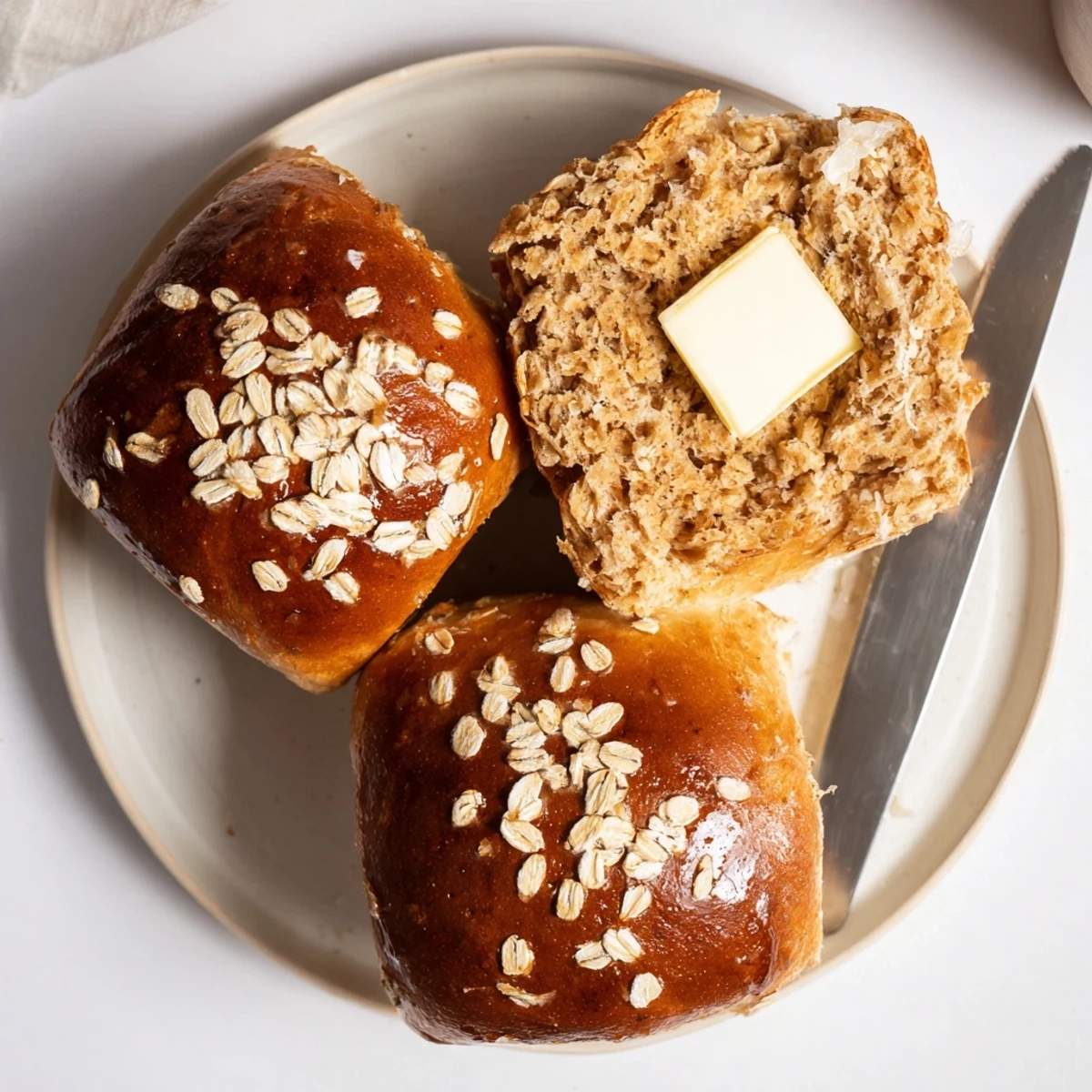
 Combine old-fashioned oats, flour, salt, and instant yeast, then whisk warm milk with molasses, melted butter, and an egg. Stir until a sticky dough forms, knead until smooth and elastic, and let rise until doubled. Divide into 12 rounds, proof briefly, brush with milk or butter, sprinkle extra oats if desired, and bake until deep golden. Serve warm with butter or alongside soups; freeze baked rolls for later use.
The sound of oats tipping into a mixing bowl always takes me back to a quiet Sunday evening, when the rain quietly pattered on the window and I wanted something warm for dinner. Rustic Oatmeal Molasses Dinner Rolls are the kind of bread that invite you to slow down and enjoy the process. There's a comfort in their dense crumb and gentle sweetness, especially when the kitchen fills with their aroma. One roll and suddenly the table feels more inviting, no matter the weather outside.
Once, when friends arrived unexpectedly for dinner, I had just set the dough to rise and the whole kitchen smelt rich with molasses and melted butter. We ended up sitting around the oven, watching the rolls puff up, turning the evening into an impromptu feast with soup and stories. These rolls have rescued many a last-minute gathering, earning a fond place in my repertoire just for that.
Ingredients
- Old-fashioned rolled oats: For nutty flavor and that tender bite—use the old-fashioned kind, not instant, as they stand up better in the dough.
- All-purpose flour: The backbone of these rolls; sifting before measuring keeps things airy.
- Kosher salt: Just the right balance; I've learned not to skimp, as it makes the oats shine.
- Instant yeast: Effortless rising, no proofing needed—don’t accidentally use active dry unless you bloom it first.
- Warm milk: About 110F—just warm to the touch; too hot will ruin the yeast's day.
- Molasses (unsulphured): Gives the rolls their signature color and mellow sweetness—grandma’s trick was always blackstrap, but I prefer unsulphured for a gentler flavor.
- Unsalted butter, melted: Adds richness; let it cool slightly before mixing so it doesn’t scramble the egg.
- Large egg: Binds everything together; always crack into a separate bowl in case of sneaky shells.
- Rolled oats for topping: Only if you want a showy finish—their toasty aroma is worth the extra step.
Instructions
- Mix the Dry Base:
- Tip the oats, flour, salt, and yeast into a big bowl and stir with your favorite wooden spoon until everything is cozy and combined.
- Blend the Wet Ingredients:
- Whisk together the warm milk, molasses, melted butter, and egg—if you pause, you’ll catch the scent of molasses hugging the butter.
- Marry Wet and Dry:
- Pour the liquid into the dry bowl, stirring until a sticky dough forms—it’ll cling stubbornly to your hands and that’s perfect.
- Knead to Smoothness:
- Scatter flour on your countertop, turn out the dough, and knead for 8 to 10 minutes; feel it go from shaggy to soft and elastic under your palms.
- Let It Rise:
- Slip the dough into a greased bowl, cover with a towel, and tuck it somewhere warm for an hour; watch it swell as you tidy up or make tea.
- Shape the Rolls:
- When doubled, punch down the dough, portion it into twelve, and shape each piece into a ball—mine never look perfect and that’s their charm.
- Second Rise and Prep:
- Set the rolls on a lined baking sheet, spaced with room to puff; cover and rest for 30 minutes, then preheat the oven to 375F.
- Top and Bake:
- If you like, brush with milk or butter and scatter on oats for that bakery finish; bake 22 to 25 minutes until golden and fragrant.
- Cool and Serve:
- Transfer to a wire rack, let them cool just enough so steam doesn’t escape when you tear one open and butter melts into every crevice.
 Pin It
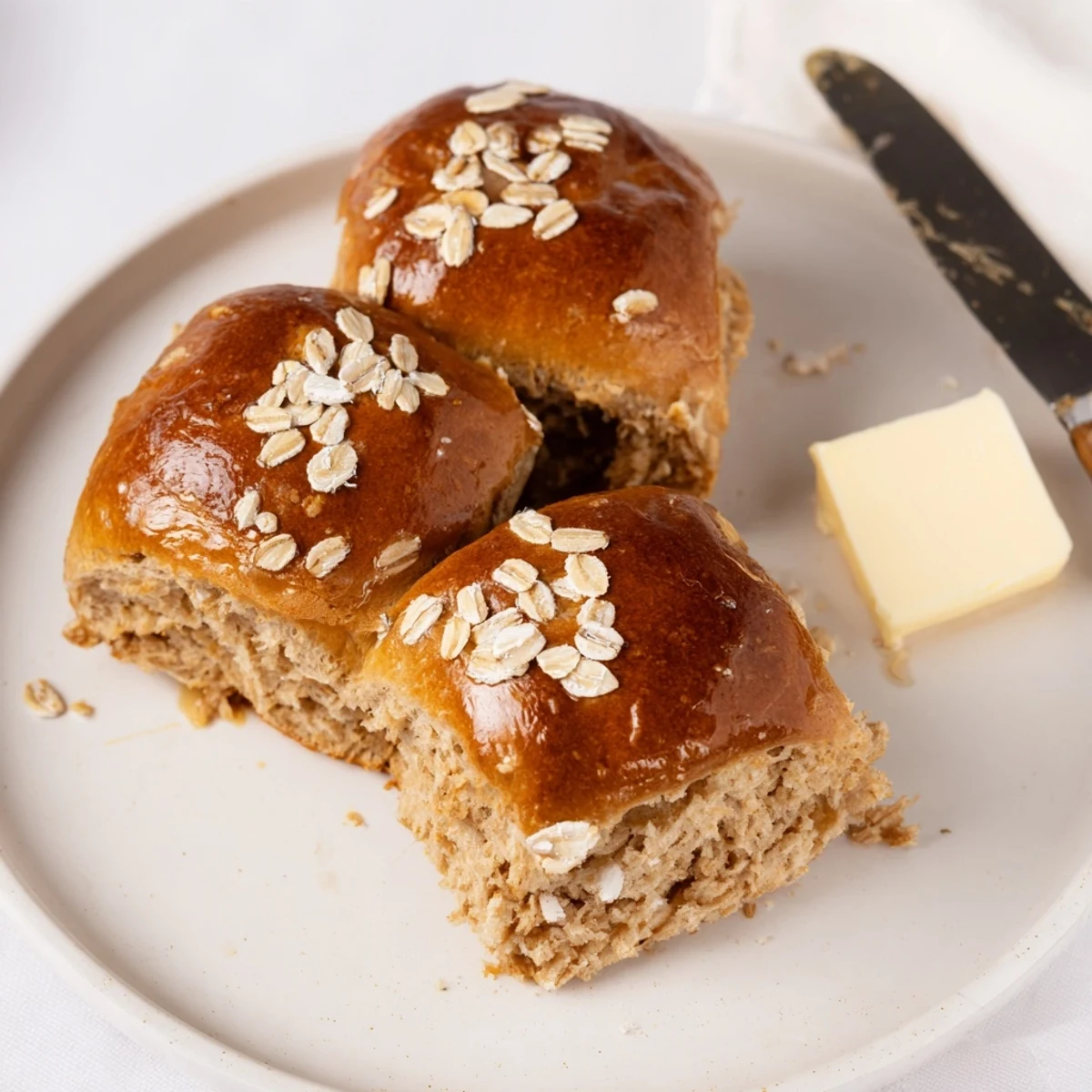
 The moment I realized these rolls were more than just bread was during a family dinner; someone laughed so hard crumbs tumbled everywhere and no one minded because each roll was still soft, warm, and inviting. Now, the sight of a bread basket piled high makes every meal feel like something to celebrate.
Why Molasses and Oats Just Make Sense
Molasses brings a rich sweetness that rounds out the earthy oats, making every bite wholly comforting. Tucked into the dough, the oats almost disappear but leave behind a tenderness you can feel with every tear. The combination makes the rolls feel rustic yet somehow luxurious. If you want that perfect crust, don’t skip the oat topping—it toasts up beautifully.
How to Make Them in Advance
I've learned that you can shape and chill the buns on a tray in the fridge overnight, then bake them fresh in the morning. Letting them come to room temperature first gives them a fluffier rise. They freeze well after baking—just reheat in the oven to recreate that “fresh out of the oven” magic. If you’re stretched for time, even cold rolls taste comforting with a dab of salted butter.
Troubleshooting with Real-Life Lessons
Bread baking rarely goes exactly to plan in my kitchen—humidity, mood, and curiosity always play a part. If your dough feels too sticky, don't fret: a dusting more flour works wonders. And if the rolls start browning fast, tent them with foil to protect that soft crumb.
- Evidence of yeast working is a puffed, slightly domed dough—patience is rewarded.
- Kneading by hand helps you learn what 'soft and elastic' really feels like.
- Fresh rolls wait for no one: eat them warm whenever you can.
 Pin It
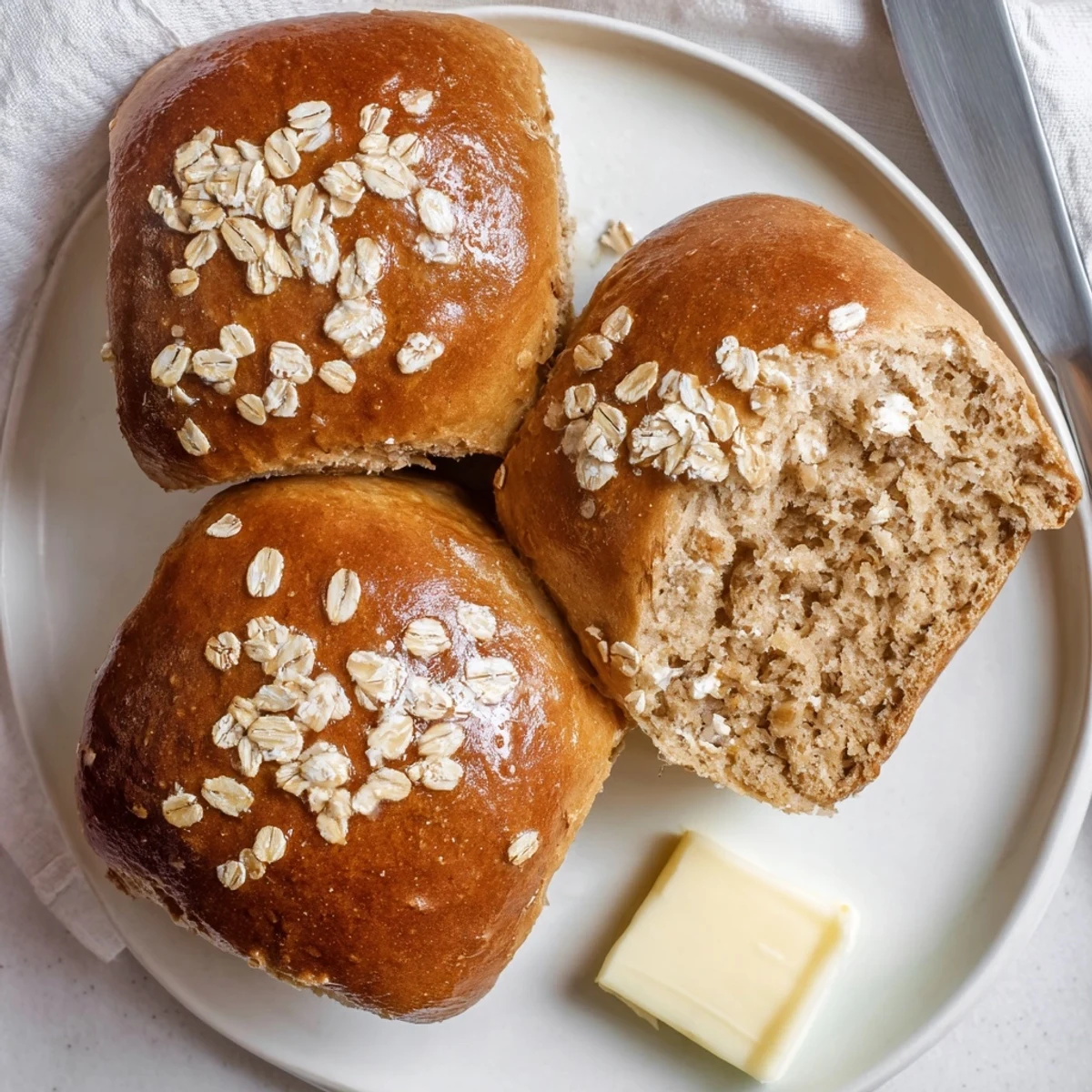
 Warm, hearty, and touched with sweetness, these oatmeal molasses rolls invite everyone to linger at the table a little longer. Share them often—they turn any meal into something deeper than just dinner.
Recipe FAQs
- → Can I use whole wheat flour instead of all-purpose?
-
Yes — swap up to half the all-purpose flour for whole wheat for a nuttier flavor and heartier crumb. If using only whole wheat, expect a denser texture; add a splash more warm milk if the dough feels too stiff.
- → How do I know when the dough is kneaded enough?
-
The dough should be smooth and elastic and pass a gentle windowpane test: stretch a small piece until it becomes thin without tearing. Kneading by hand takes 8–10 minutes; a stand mixer with a hook takes about 6–8 minutes.
- → What if my rolls don't brown evenly?
-
Brush tops with milk or melted butter before baking to encourage even browning. If the bottoms brown faster than tops, bake on a higher rack or place a second baking sheet beneath to diffuse direct heat.
- → How should I store and reheat leftovers?
-
Once cooled, store rolls in an airtight container at room temperature for up to 2 days or freeze for longer. Reheat frozen or chilled rolls wrapped in foil at 300°F (150°C) until warmed through, or microwave briefly with a damp paper towel to restore moisture.
- → Can I replace molasses with another sweetener?
-
Molasses gives a distinct deep sweetness and color. For a milder profile, use dark brown sugar or a mix of honey and a splash of molasses substitute, adjusting liquid volume slightly to maintain dough consistency.
- → Why are oats included in the dough?
-
Rolled oats add rustic texture, tender crumb, and a wholesome flavor. They also absorb some liquid, so ensure the dough reaches a slightly sticky stage before kneading and adjust with small amounts of flour or milk if needed.