
 Pin It
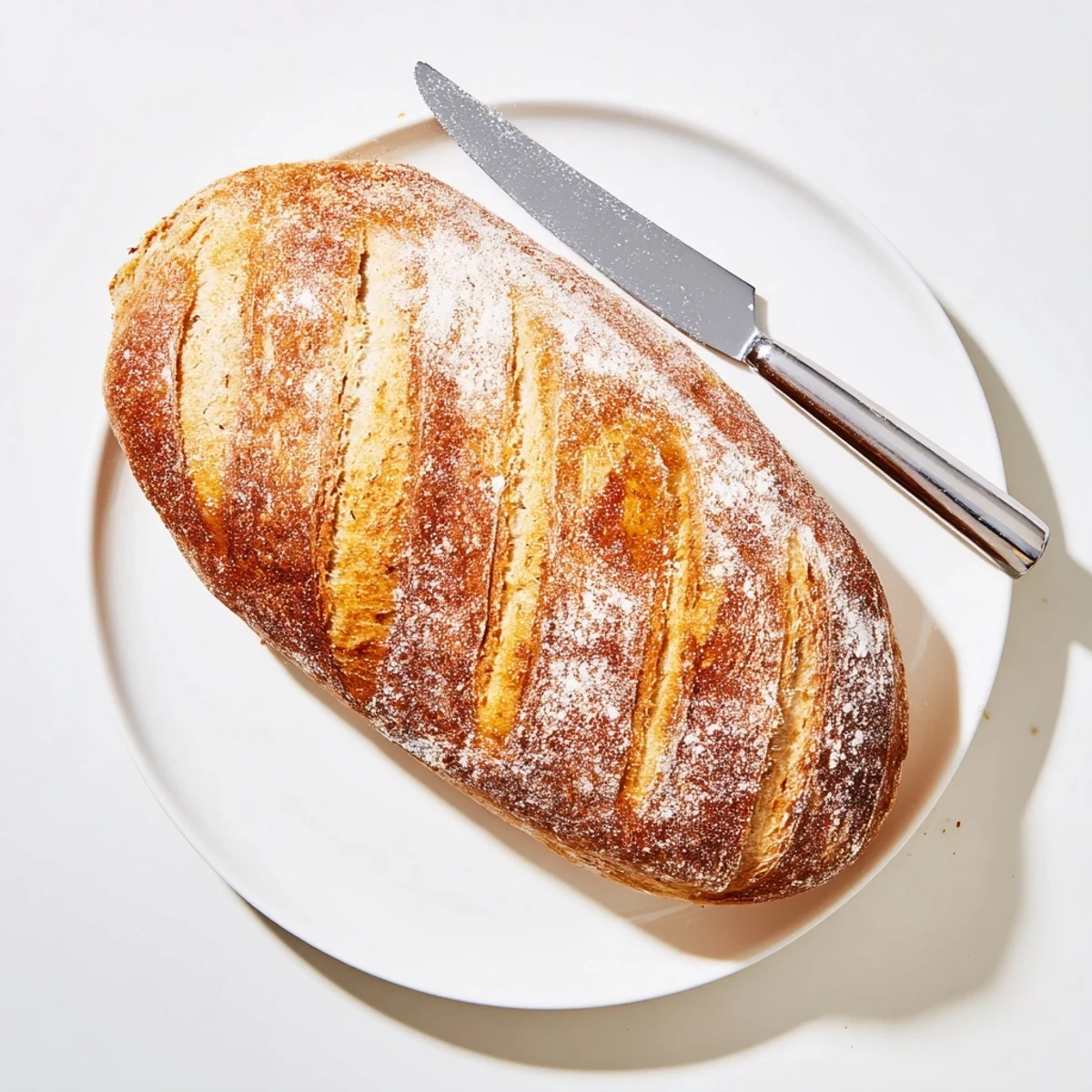
 This traditional Italian loaf features a signature golden crust and tender, chewy interior that artisan bakers prize. The dough requires just five pantry staples—bread flour, yeast, salt, sugar, and olive oil—plus patience for the rising process. Steam baking creates that coveted crisp exterior, while kneading develops the characteristic chewy texture. The result is a versatile loaf that shines alongside pasta dishes, as sandwich bread, or simply torn and dipped in quality olive oil.
My tiny apartment kitchen smelled like a professional bakery when I first attempted this bread, the yeast working its magic while I nervously checked the oven temperature every five minutes. That first loaf came out dense and somewhat clumsy looking, but the taste was pure heaven, and I have been tweaking the method ever since.
Last winter, during a particularly gray week, I made three loaves in one day just to keep the house filled with that comforting aroma. My neighbor actually knocked on the door to ask what I was baking, and I ended up sending her home with a still warm slice slathered in butter.
Ingredients
- Bread Flour: The higher protein content here creates that chewy texture we are after, and I have learned that all purpose flour just does not give the same structure
- Active Dry Yeast: Make sure your water is bath warm, not hot, or you will kill the yeast before it even gets started
- Olive Oil: This keeps the crumb tender and adds that subtle Mediterranean flavor that makes it distinctly Italian
- Salt: Do not be tempted to reduce this, as it controls fermentation and enhances flavor
- Cornmeal: A dusting on the baking sheet prevents sticking and adds a lovely textured bottom
Instructions
- Awaken the Yeast:
- Dissolve the yeast and sugar in warm water and watch for tiny bubbles to appear on the surface
- Build the Dough:
- Create a well in your flour mixture, pour in the foamy yeast and olive oil, then stir until everything comes together in a shaggy mass
- Develop the Gluten:
- Knead the dough on a floured surface until it becomes smooth and bounces back when you press it with your finger
- First Rise:
- Place the dough in an oiled bowl, cover it, and let it double in size while you go about your day
- Shape the Loaf:
- Gently deflate the dough and form it into a tight oval, then let it rise again until it looks puffy and eager
- Create Steam:
- Preheat the oven with an empty pan on the bottom rack, then pour hot water into it just before baking
- Bake to Golden:
- Slash the top with a sharp knife, then bake until the crust turns deep golden and the loaf sounds hollow when tapped
 Pin It
 My brother in law took one bite of this bread during Sunday dinner and immediately asked if I would teach him how to make it. Now we have standing dough dates every few weeks, comparing our loaves like proud parents.
The Secret to a Perfect Rise
I have discovered that the warmest spot in my house is actually on top of the refrigerator, where the gentle heat from the motor helps the dough rise beautifully. Drafty windowsills can cause uneven rising, so find that sweet spot where the temperature stays consistent.
Scoring Like a Pro
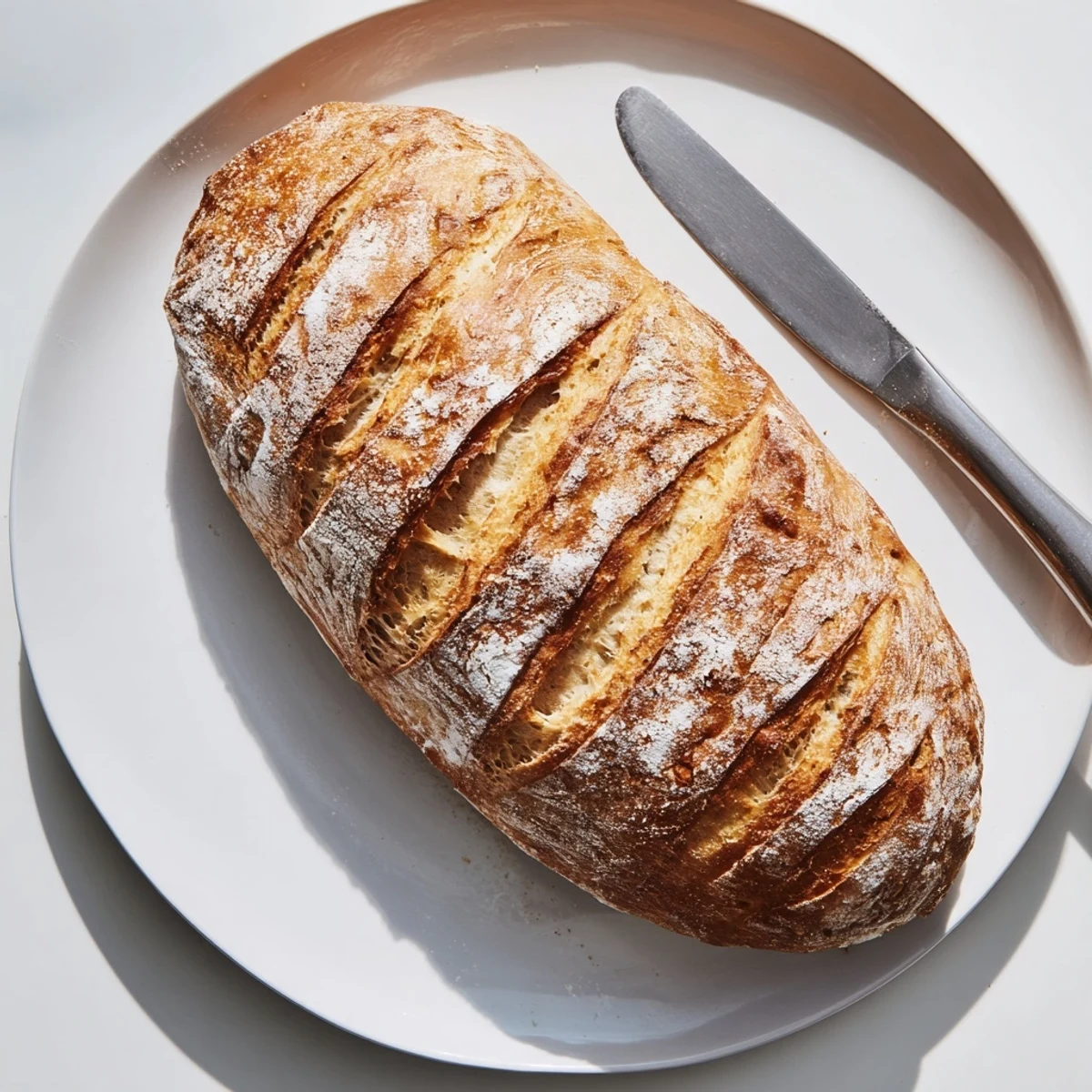
That slash across the top is not just decorative, it tells the bread where to expand while baking. Use a razor sharp knife and make one confident, swift cut about half an inch deep, holding the blade at a slight angle.
Making It Your Own
This dough is incredibly forgiving and welcomes additions. Try incorporating roasted garlic, chopped rosemary, or even grated Parmesan right into the mix.
- Brush the crust with water and sprinkle with sea salt before baking
- Swap some of the bread flour for whole wheat for a nuttier flavor
- Let it rise overnight in the refrigerator for deeper flavor development
 Pin It
 There is something profoundly satisfying about turning five simple ingredients into something that feeds both body and soul. Happy baking, friend.
Recipe FAQs
- → What makes Italian bread crusty?
-
The steam created by pouring hot water into a preheated pan during baking creates a crispy, golden crust. This technique mimics professional steam-injected ovens used by artisan bakeries.
- → Can I use all-purpose flour instead of bread flour?
-
Bread flour contains higher protein content which yields better texture and chewiness. All-purpose flour will work but produces a softer, less structured loaf.
- → Why is my dough not rising?
-
Ensure your water is warm but not hot—around 40°C activates yeast without killing it. Also verify your yeast is fresh and find a warm, draft-free spot for rising.
- → How do I store fresh Italian bread?
-
Store at room temperature in a paper bag for up to 2 days. For longer storage, slice and freeze in an airtight container—toast slices directly from frozen.
- → What can I add for extra flavor?
-
Incorporate dried herbs like rosemary, thyme, or oregano into the dough. You can also add roasted garlic cubes, sun-dried tomatoes, or grated Parmesan for variation.
- → Do I need a stand mixer?
-
No—kneading by hand for 8-10 minutes works beautifully. A stand mixer with dough hook simply makes the process easier but isn't essential for great results.