
 Pin It
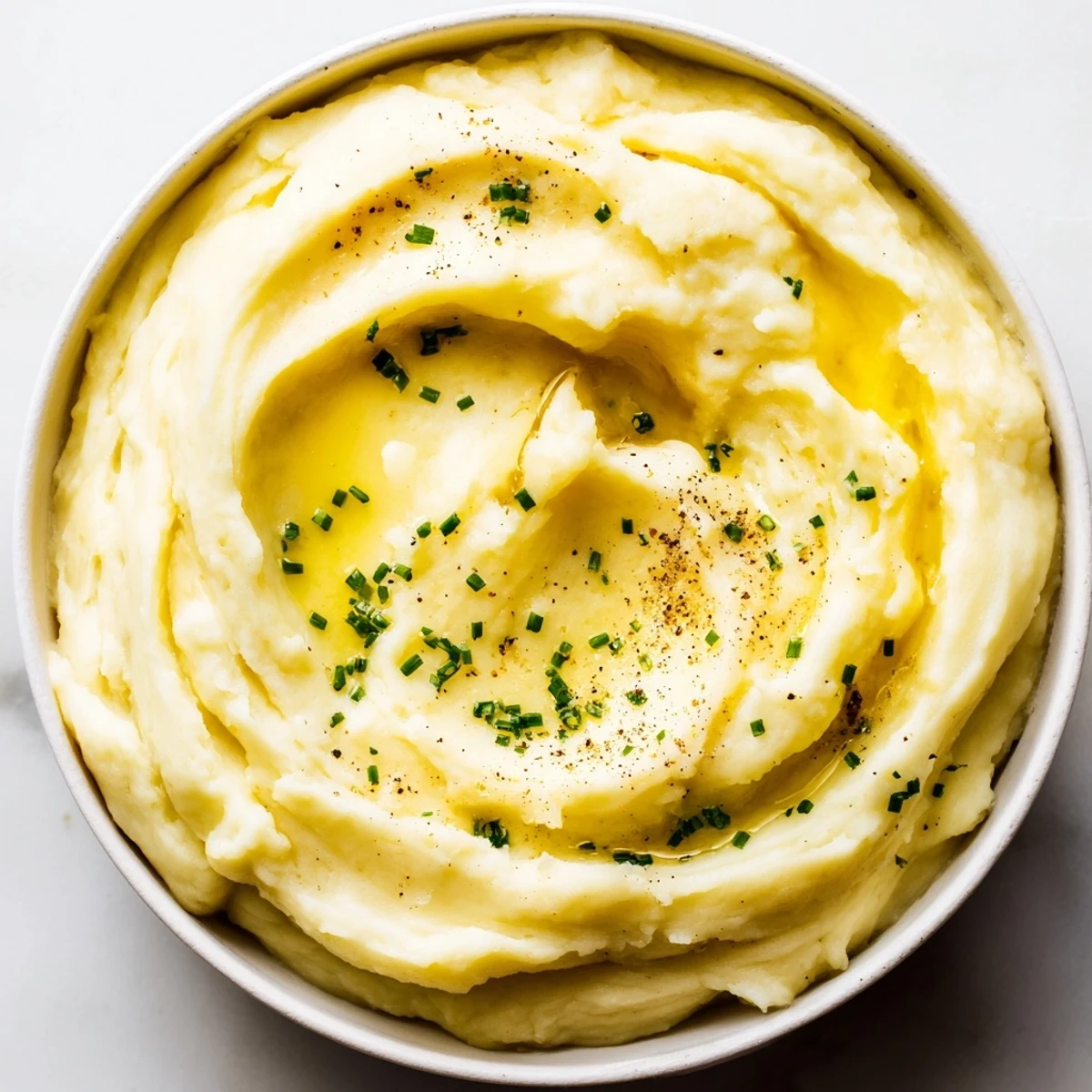
 These velvety mashed potatoes deliver an irresistibly smooth, creamy texture thanks to Yukon Gold or Russet potatoes mashed with generous butter, warm whole milk, and heavy cream.
Ready in just 40 minutes, they require only a handful of pantry staples—potatoes, butter, milk, cream, salt, and pepper. A potato ricer guarantees the silkiest results, but a classic masher works beautifully too.
Season generously, serve alongside roasted meats or sautéed greens, and watch them disappear from the table.
The sound of a potato masher hitting the side of a pot at six in the morning is oddly satisfying, like a dull thud that promises something warm and comforting at the end. My roommate in college used to groan from her bedroom whenever I made mashed potatoes for breakfast, but she never once turned down the bowl I left on the counter. There is something undeniably honest about mashed potatoes, no pretense, no complicated technique, just potatoes and butter becoming something greater than themselves.
One Thanksgiving I volunteered to bring the potatoes and showed up with a giant pot still warm, wrapped in a towel like a baby, and my aunt laughed and said I had my priorities straight.
Ingredients
- 1.5 lbs Yukon Gold or Russet potatoes: Yukon Golds give you that buttery color naturally, while Russets break down into fluffier clouds, and both work beautifully here.
- 4 tbsp unsalted butter: Unsalted lets you control the seasoning, and cutting it into smaller pieces helps it melt evenly into the hot potatoes.
- 1/2 cup whole milk, warmed: Cold liquid seizes hot potatoes into glue, so always warm your milk first, even a quick trip in the microwave works.
- 1/4 cup heavy cream, warmed: This is the indulgent touch that makes people close their eyes on the first bite.
- 1 tsp salt plus more for boiling: Salting the potato water generously is the step most people skip, and it is the one that matters most.
- 1/4 tsp freshly ground black pepper: Freshly cracked pepper adds a gentle warmth that preground simply cannot match.
Instructions
- Cover and season the potatoes:
- Place the peeled and chunked potatoes into a large pot and cover them with cold salted water by at least two inches. Starting cold ensures even cooking all the way through.
- Boil until tender:
- Bring the water to a rolling boil, then lower the heat to a gentle simmer and let them cook uncovered for fifteen to twenty minutes. You will know they are ready when a fork slides in without any resistance.
- Drain and dry:
- Pour the potatoes through a colander and let them drain completely, then return them to the still warm pot. Letting them sit for a minute helps excess moisture evaporate.
- Melt the butter:
- Add the butter in chunks and let it sit for one to two minutes so it melts into the potatoes naturally. Resist the urge to stir immediately, patience here pays off.
- Mash until smooth:
- Use a potato masher for a rustic texture or a ricer for something positively silky. Work steadily but gently, as overworking releases starch and turns potatoes gummy.
- Fold in the liquids:
- Pour in the warmed milk and cream gradually, folding gently with a wooden spoon or spatula until everything comes together into a light, creamy mass.
- Season and serve:
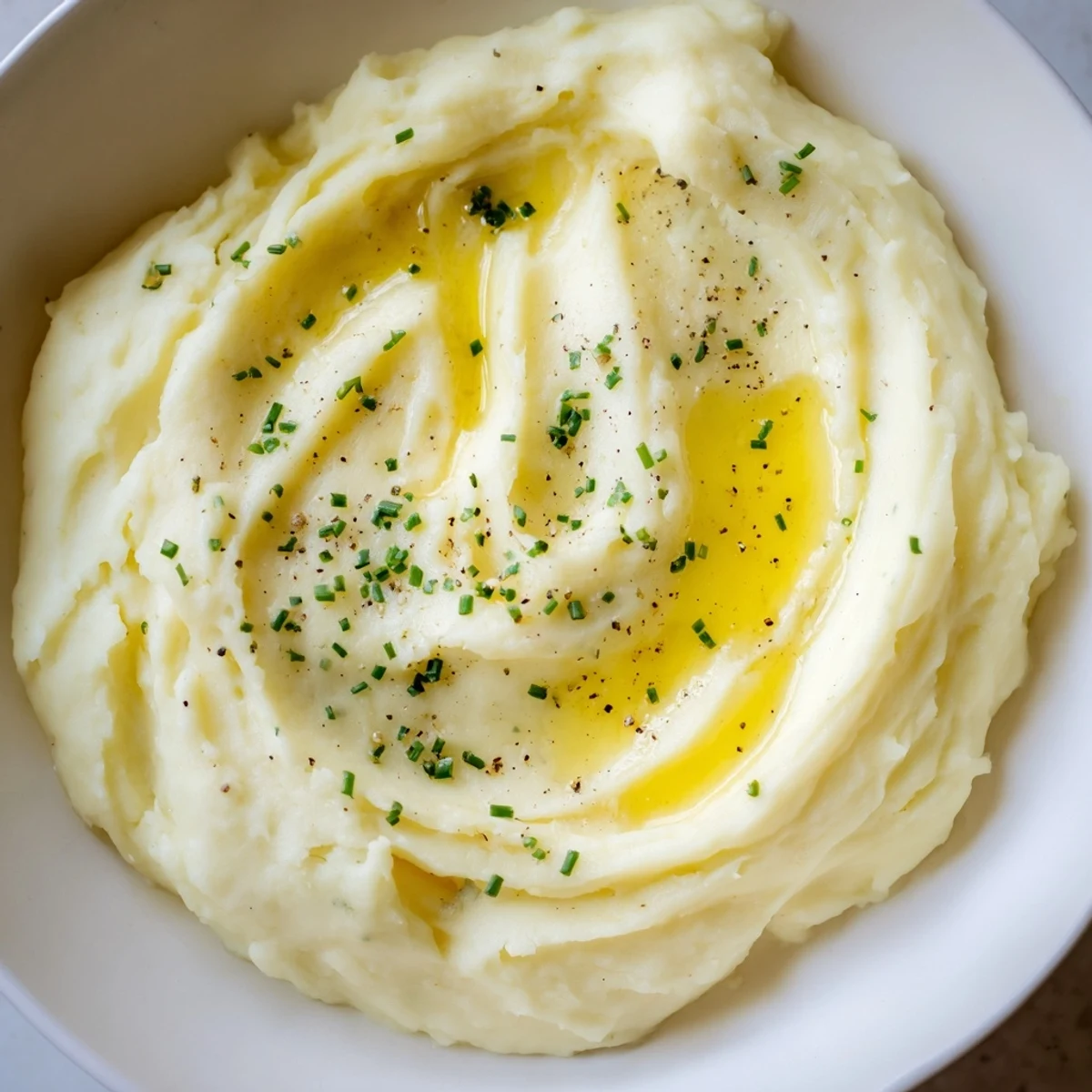
- Taste for salt and pepper, adjust as needed, and serve right away while still steaming. A pat of butter on top and a sprinkle of chives never hurt anyone.
 Pin It
 Somewhere between the second helping and the scrape of the serving spoon against an empty pot, mashed potatoes stop being a side dish and start being the reason everyone lingered at the table a little longer.
Tools That Actually Matter
A heavy bottomed pot cooks the potatoes evenly without hot spots that turn edges to mush while centers stay hard. A potato ricer is worth the drawer space if you chase that restaurant quality smoothness, but a sturdy masher has never failed me on a weeknight.
Lightening Things Up
If you want a lighter version, swap the heavy cream for extra milk and reduce the butter by half, though I would not advertise it too loudly when serving guests.
Making It Your Own
Roasted garlic folded in at the end is a quiet luxury, and a handful of sharp cheddar turns the whole bowl into something dangerously snackable at midnight.
- Chives or scallions on top add color and a mild onion bite.
- A spoonful of sour cream stirred in at the end adds tang.
- Leftovers make the best potato cakes the next morning, pan fried in butter until golden.
 Pin It
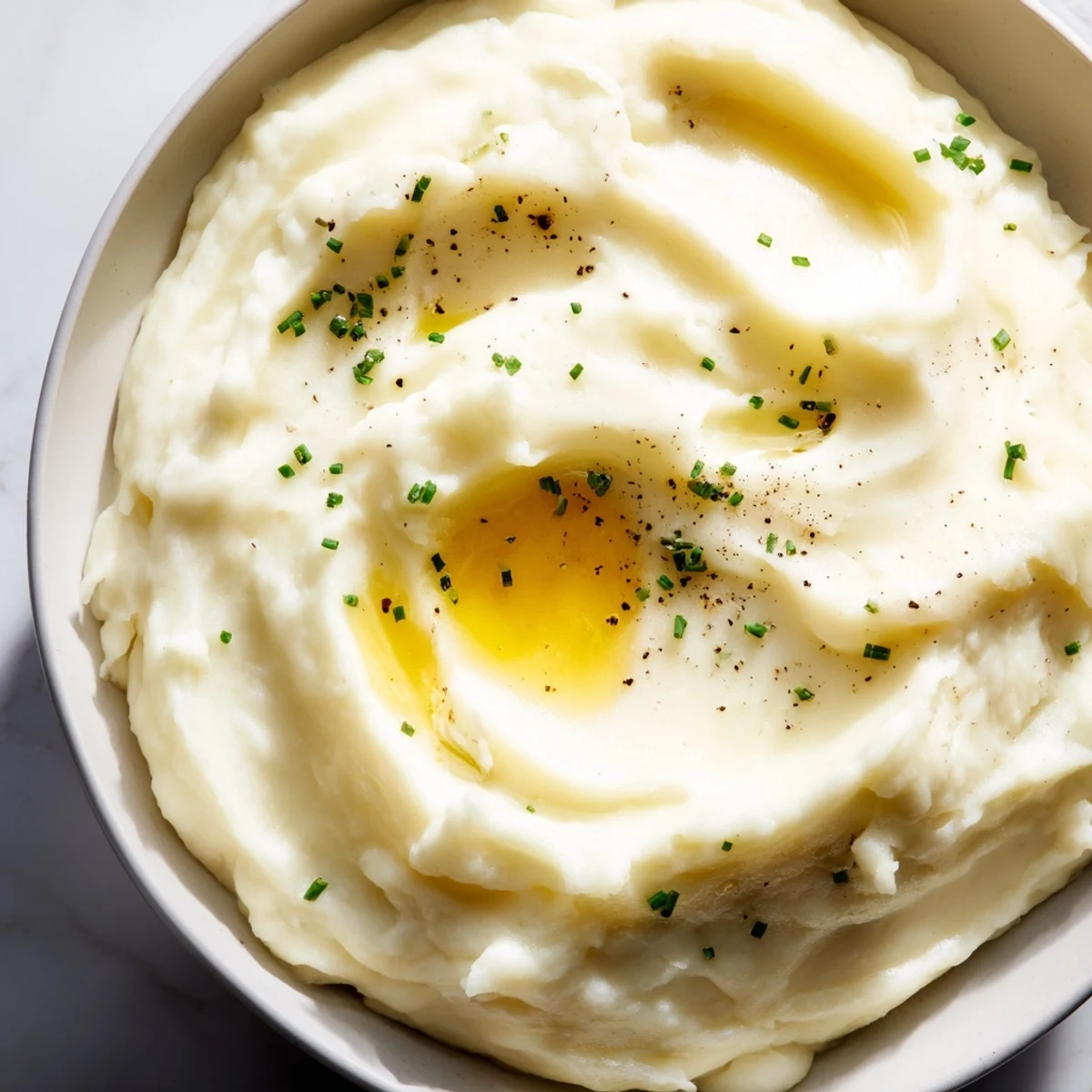
 Keep it simple, serve it warm, and do not be surprised when people ask for seconds before finishing their first plate.
Recipe FAQs
- → What type of potatoes work best for mashed potatoes?
-
Yukon Gold potatoes yield a naturally creamy, buttery texture, while Russets produce a fluffier, lighter result. Both work wonderfully—choose based on your preferred consistency.
- → Why should I warm the milk and cream before adding them?
-
Warming the dairy prevents it from cooling down the potatoes, which can cause them to become gummy and stiff. Room-temperature or gently warmed liquids fold in smoothly for the best texture.
- → How do I get lump-free mashed potatoes?
-
A potato ricer is the best tool for achieving a completely smooth, lump-free result. If using a masher, drain the potatoes thoroughly and mash while they're still hot for the easiest, smoothest outcome.
- → Can I make mashed potatoes ahead of time?
-
Yes. Prepare them fully, then transfer to a buttered baking dish, cover tightly, and refrigerate for up to 2 days. Reheat in a 350°F oven for about 30 minutes, stirring in a splash of warm milk to restore creaminess.
- → How can I make a lighter version of this dish?
-
Swap the heavy cream for additional warm milk, reduce the butter to 2 tablespoons, and consider using Yukon Golds which have a naturally rich flavor that doesn't rely heavily on added fat.
- → Why are my mashed potatoes gummy?
-
Over-mashing or using a food processor releases too much starch, turning potatoes gluey. Mash gently just until smooth, avoid overworking the mixture, and never use a blender.