
 Pin It
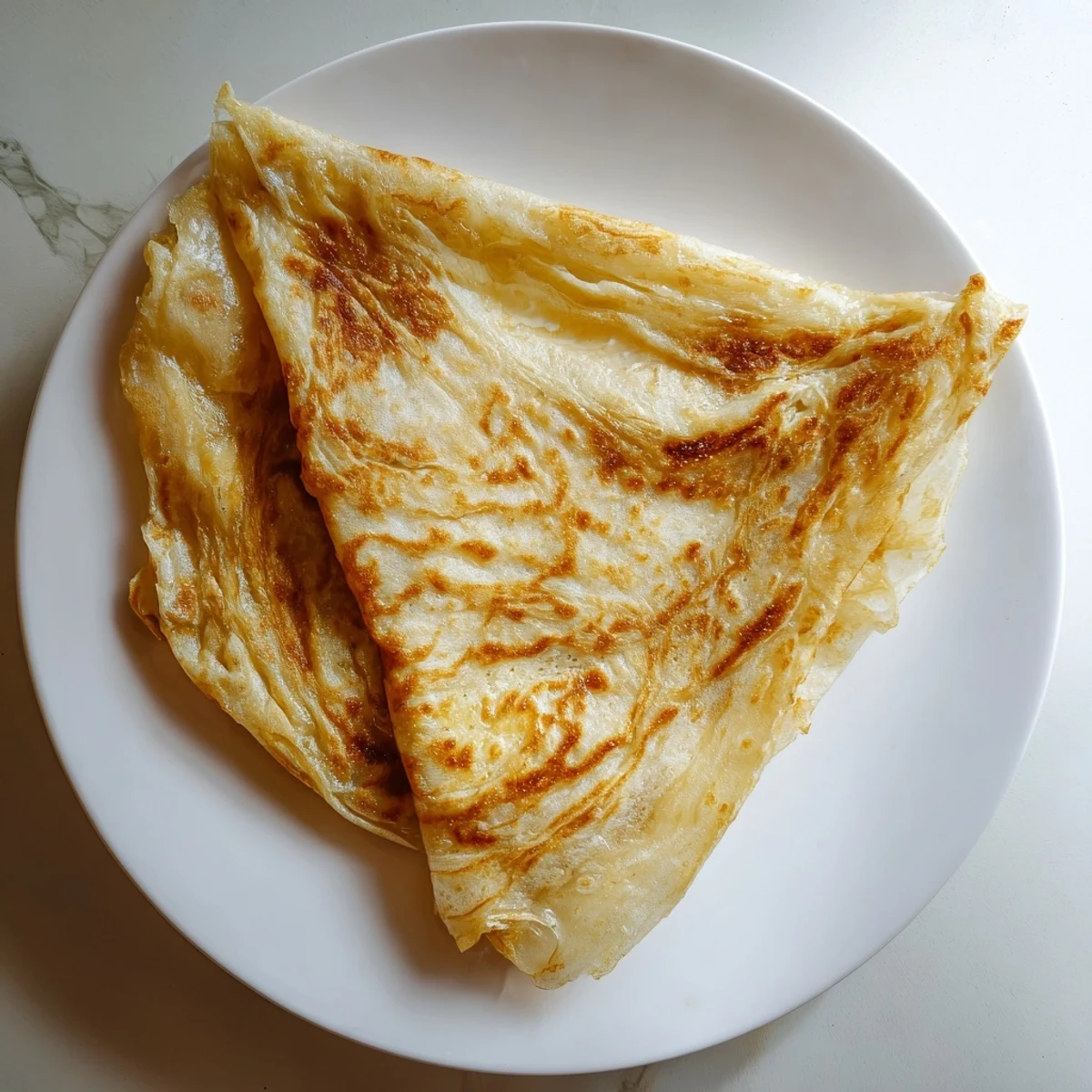
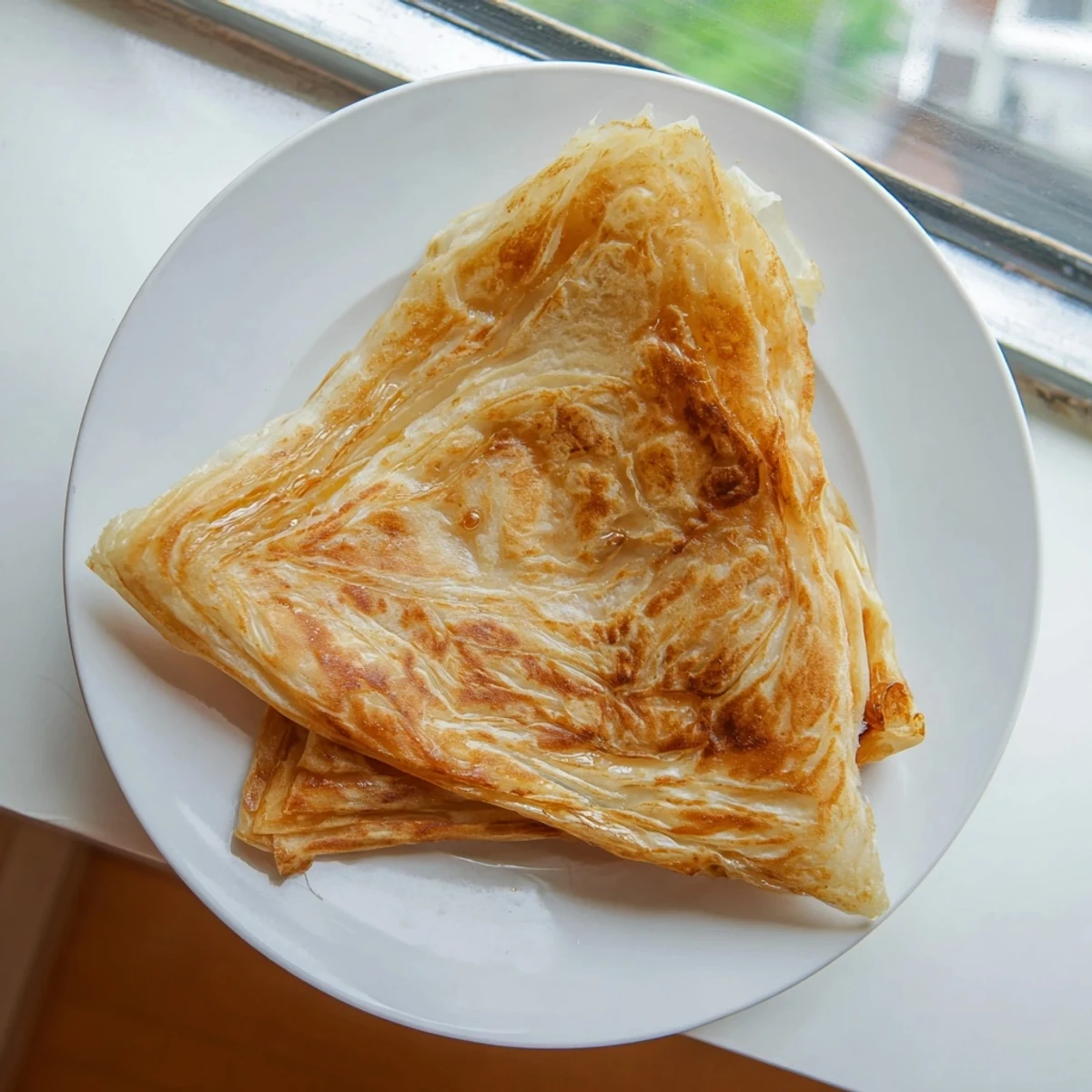
 This Malaysian flatbread is wonderfully layered and crisp, with a buttery flakiness and delightful chew. Perfect as a side or on its own with flavorful curries, it requires a simple dough of flour, salt, sugar, and ghee. The dough is rested, stretched thin, brushed with ghee, and coiled before cooking. The result is a golden, crispy roti that’s a joy to eat.
There is something magical about watching a street vendor flip roti canai, the dough spinning through the air until it is paper thin. I spent years trying to replicate that delicate flake in my own kitchen, often ending up with chewy, tough breads that refused to cooperate. It was not until I learned the secret of resting the dough and generous oiling that everything changed. Now, the sound of the dough hitting the hot skillet brings me right back to those bustling Malaysian mornings.
I remember the first time I served this to my family on a rainy Sunday morning. The aroma of ghee filled the entire house, drawing everyone into the kitchen before I even finished cooking. They stood around the stove, impatiently waiting for the next piece to hit the plates. It was a messy, joyous breakfast that cemented this recipe as a household staple.
Ingredients
- All purpose flour: The backbone of the dough, providing the necessary structure to hold those countless layers.
- Salt and sugar: A essential balance to enhance the flavor without overpowering the subtle richness of the ghee.
- Melted ghee or unsalted butter: This fat is crucial for both the dough tenderness and the rich, savory aroma.
- Water: Added gradually to hydrate the flour just enough to create a soft, pliable dough.
- Softened ghee and oil: The magic potion for the layering process, ensuring each thin sheet separates perfectly.
Instructions
- Mixing the foundation:
- Combine flour, salt, and sugar in a large bowl, creating a well in the center to welcome the melted ghee and water.
- Kneading to perfection:
- Work the dough on a floured surface for a solid ten minutes until it feels smooth and elastic under your hands.
- The resting phase:
- Divide the dough into six balls, coat them in oil, cover them up, and let them rest for an hour to relax the gluten.
- Stretching thin:
- Oil your hands and surface, then flatten and gently pull a dough ball until it is almost translucent.
- Folding and coiling:
- Brush the stretched dough with ghee, fold it into thirds like a letter, and roll it into a loose coil.
- Cooking to golden:
- Flatten the coils to a quarter inch thickness and cook on a hot skillet for a few minutes per side until golden brown.
- The final slap:
- Serve immediately after clapping the cooked roti between your hands to encourage the layers to separate.
 Pin It
 This dish transcends being just a side and becomes a centerpiece of the meal. I love dipping the warm, flaky layers into a rich dhal or a spicy chicken curry. It transforms a simple dinner into something that feels exotic and comforting all at once.
Mastering the Stretch
Getting the dough thin enough takes practice and a bit of courage. Work from the center outward and let the weight of the dough help you stretch it.
Choosing Your Fat
While ghee offers the most authentic flavor, a mix of butter and oil works wonderfully too. For a sweet variation, try adding a splash of condensed milk to the dough.
Serving Suggestions
Roti canai is versatile enough for breakfast, lunch, or dinner. It pairs beautifully with savory curries or sweet dips.
- Try it with a side of spicy sambal for an extra kick.
- A sprinkle of sugar makes for a simple yet delightful sweet treat.
- Keep the roti warm in a low oven until you are ready to serve everyone.
 Pin It
 I hope this recipe brings the joy of Malaysian street food into your home kitchen. Enjoy every buttery, flaky bite.
Recipe FAQs
- → What makes Roti Canai flaky?
-
The flakiness comes from stretching the dough thin and brushing it with ghee before folding and coiling. This creates layers that puff up when cooked.
- → Can I use butter instead of ghee?
-
Yes, unsalted butter works well. For a richer taste, use all ghee; for a lighter version, mix butter and vegetable oil.
- → How do I serve Roti Canai?
-
It’s traditionally served with dhal or chicken curry. For a sweet twist, try it with condensed milk for breakfast.
- → Why rest the dough?
-
Resting relaxes the gluten, making the dough easier to stretch into a thin, almost translucent sheet without tearing.
- → Can I freeze Roti Canai?
-
Yes, cook the roti, let it cool, and freeze in an airtight bag. Reheat in a skillet for best results.