 Pin It
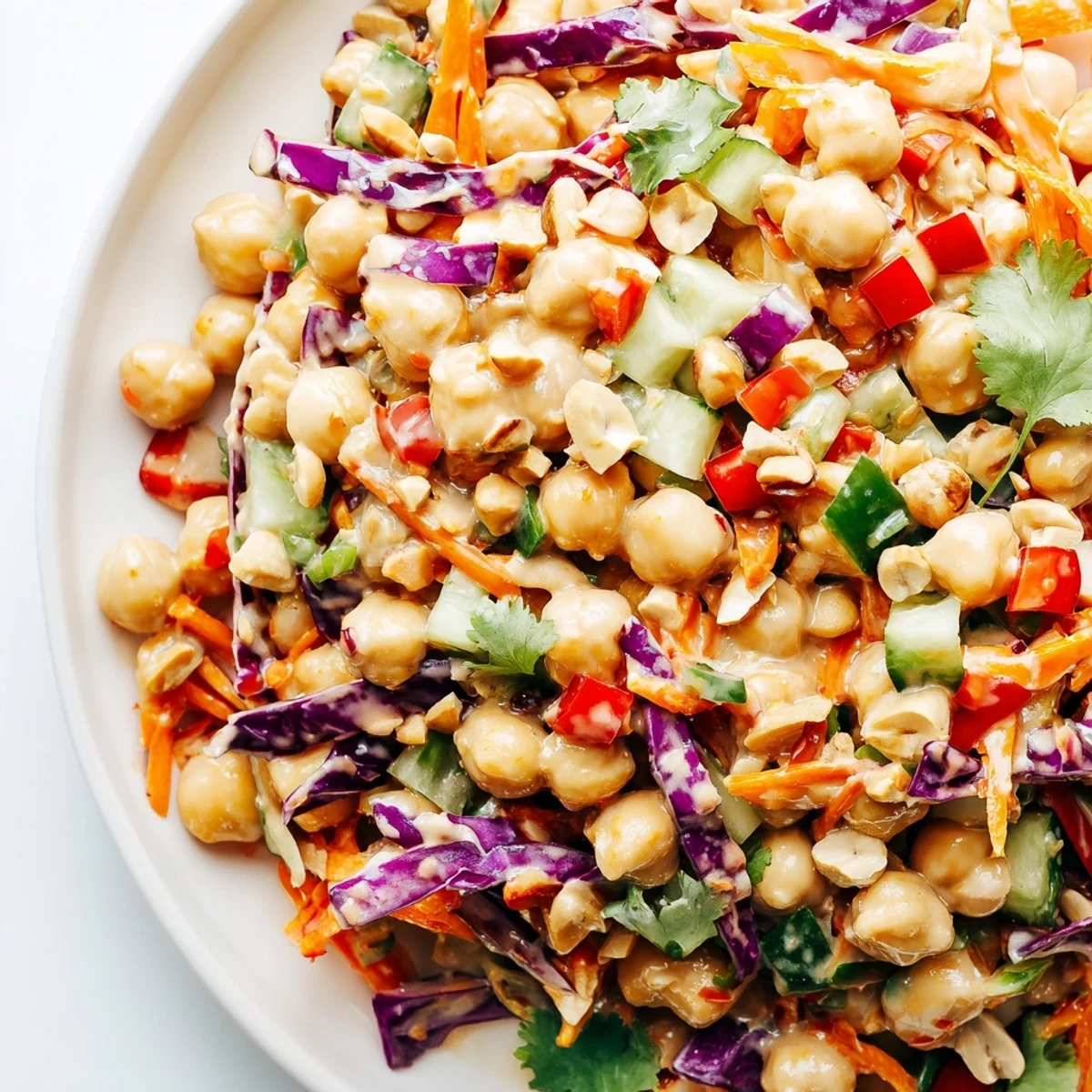
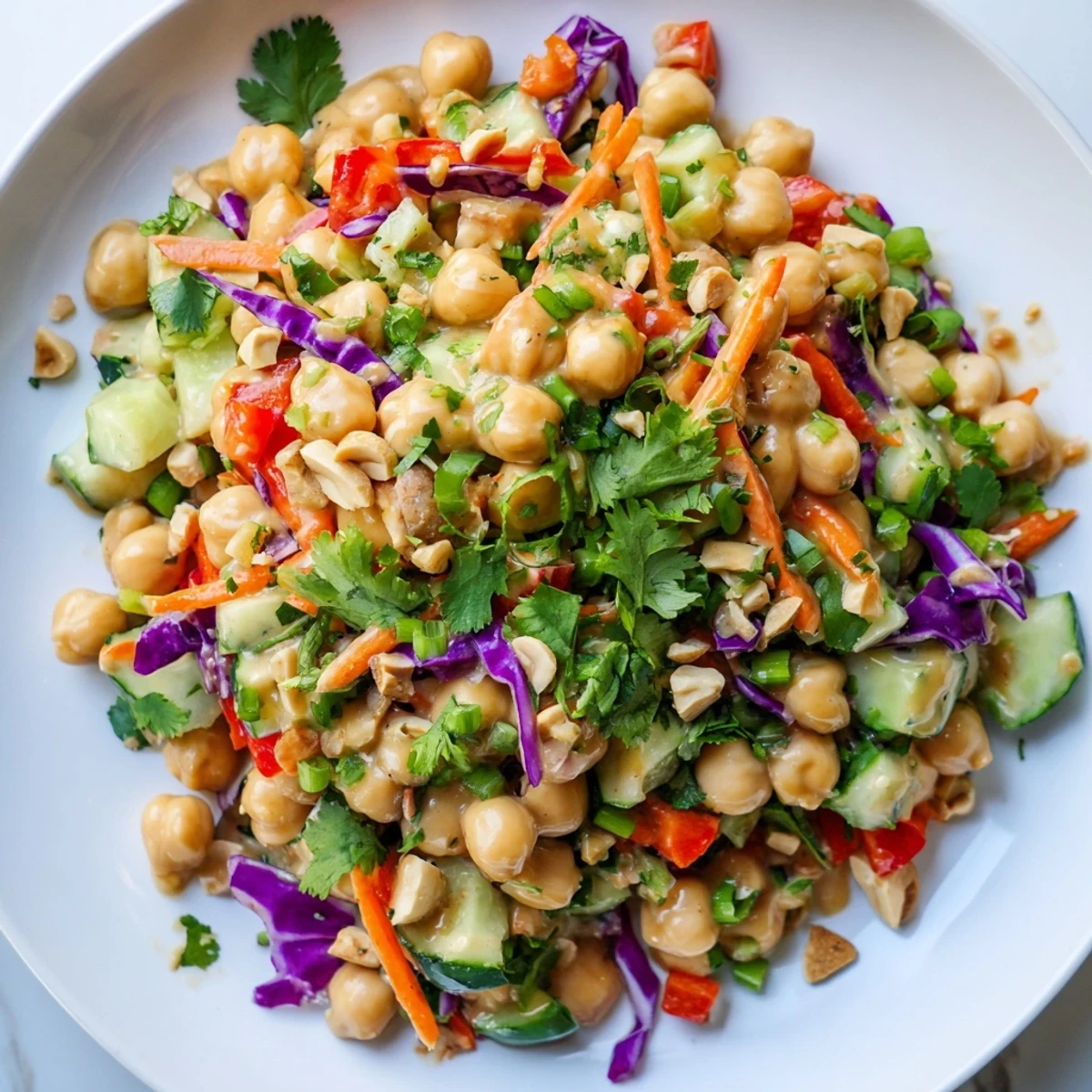
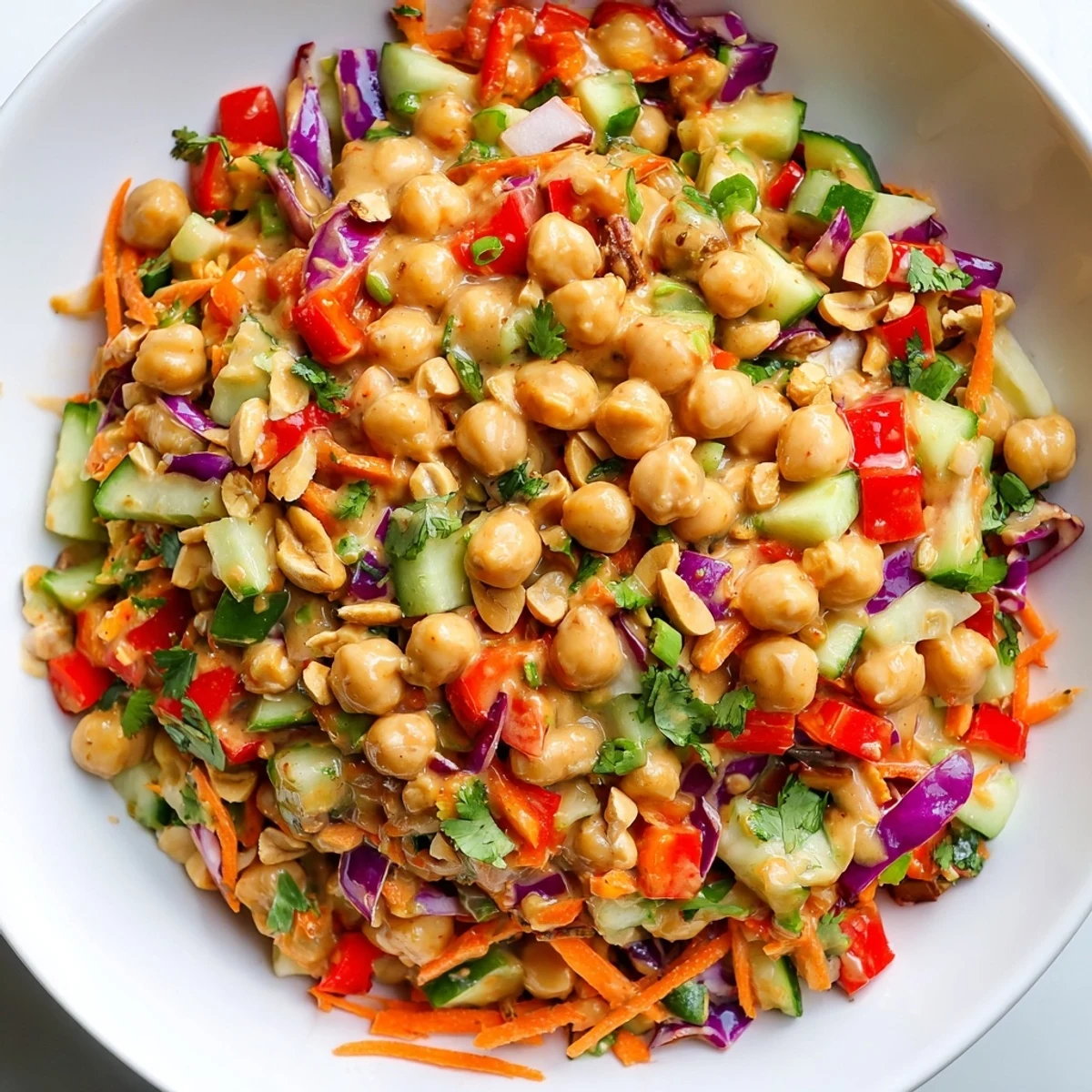
 This crunchy Thai chickpea salad brings together hearty chickpeas, crisp bell peppers, shredded carrots, purple cabbage, and fresh cilantro in one vibrant bowl.
The creamy peanut-lime dressing ties everything together with a perfect balance of savory, tangy, and slightly sweet flavors.
Ready in just 20 minutes with no cooking required, it's an ideal choice for meal prep, light lunches, or a colorful addition to any spread.
Naturally vegetarian, gluten-free, and dairy-free, it serves four and packs 13 grams of protein per serving.
My kitchen window was open on a sweltering July afternoon when I threw together this salad out of sheer stubbornness, refusing to turn on the stove. The crunch of cabbage against the creamy peanut dressing was so satisfying that I stood at the counter eating straight from the bowl. It has been my hot weather go to ever since.
I brought a massive batch of this to a backyard potluck last summer, fully expecting it to sit politely next to the potato salad. It vanished first, and three people texted me for the recipe before I even made it home.
Ingredients
- Canned chickpeas (2 cups, drained and rinsed): Rinse them really well under cold water because the canning liquid makes everything taste tinny and dull.
- Red bell pepper (1, diced): This brings sweetness and a bright pop of color that makes the whole bowl look alive.
- Shredded carrots (1 cup): Pre shredded works fine but freshly grated carrots have a juicier crunch.
- Purple cabbage (1 cup, thinly sliced): Slice it as thin as you can because chunky cabbage fights against the creamy dressing.
- Cucumber (1/2 cup, diced): English cucumbers are best here since you do not need to peel or seed them.
- Fresh cilantro (1/2 cup, chopped): Do not skip this because it carries so much of the fresh herbal flavor.
- Green onions (1/3 cup, sliced): The mild onion bite ties the vegetables together without overwhelming anything.
- Roasted peanuts (1/3 cup, roughly chopped): Salted roasted peanuts add the best contrast against the sweet dressing.
- Creamy peanut butter (3 tbsp): Natural peanut butter works beautifully but stir it well first if the oil has separated.
- Soy sauce or tamari (2 tbsp): Tamari keeps it gluten free and actually has a richer, deeper umami flavor.
- Lime juice (2 tbsp, about 1 lime): Fresh is nonnegotiable here because bottled lime juice tastes flat and metallic.
- Honey or maple syrup (1 tbsp): Maple syrup makes this fully vegan and adds a lovely round sweetness.
- Sesame oil (1 tbsp): Toasted sesame oil gives the dressing a nutty depth that pulls everything into Thai flavor territory.
- Rice vinegar (1 tbsp): This gentle acid brightens the dressing without sharpness.
- Fresh ginger (1 tsp, grated): A microplane grates it fine enough that it melts right into the dressing.
- Garlic (1 small clove, minced): One clove is enough because raw garlic can easily hijack the whole bowl.
- Chili flakes (1/2 tsp, optional): Start with a pinch and taste before adding more because heat builds.
- Warm water (2 to 3 tbsp): This thins the dressing to a pourable consistency and should be added gradually.
Instructions
- Toss the salad base together:
- Combine the chickpeas, bell pepper, carrots, cabbage, cucumber, cilantro, green onions, and peanuts in a large bowl. Give everything a gentle toss so the colors mix evenly and you can see the full rainbow of ingredients.
- Whisk the peanut dressing:
- In a medium bowl, whisk the peanut butter, soy sauce, lime juice, honey, sesame oil, rice vinegar, ginger, garlic, and chili flakes until completely smooth. Add warm water one tablespoon at a time until the dressing drips off the whisk in a silky ribbon.
- Coat everything generously:
- Pour the dressing over the salad and toss with purpose, making sure every chickpea and shred of cabbage gets coated. Use a large spoon or your hands if needed because thorough coating is what makes each bite sing.
- Taste and adjust:
- Take a forkful and decide if it needs more lime for brightness, more soy sauce for salt, or more chili for heat. This small step separates a good salad from one people talk about later.
- Serve or chill:
- You can eat it right away or let it rest in the fridge for thirty minutes so the flavors settle into each other. Top with extra peanuts and cilantro right before serving for the best presentation.
 Pin It
 There is something about the sound of a fork scraping through this salad that signals relaxation to me, like cracking open a cold drink on a Friday evening.
Making It a Full Meal
This salad is satisfying on its own but it plays beautifully with a scoop of warm jasmine rice or a handful of cooked quinoa folded in. I have also served it alongside grilled shrimp skewers when friends who eat meat come over, and everyone builds their own plate.
Swaps and Substitutions
Sunflower seeds or roasted pumpkin seeds step in seamlessly for anyone with peanut allergies, and sunflower butter works in the dressing too. Snap peas, shredded radishes, or even thinly sliced mango are fantastic additions when you want to change things up without much effort.
Storing Leftovers
Leftovers keep well in an airtight container in the fridge for up to two days, though the vegetables will have softened by day two in a way that is honestly still delicious. If I know I am packing it for lunches, I keep the dressing in a separate jar and combine them right before eating.
- Press plastic wrap directly against the surface of leftovers to minimize oxidation on the cabbage.
- A quick squeeze of fresh lime juice right before eating day two leftovers wakes everything back up.
- Never freeze this salad because the texture of the vegetables will not recover.
 Pin It
 Keep this recipe in your back pocket for every sticky evening when cooking feels impossible. It will remind you that something vibrant and nourishing is always twenty minutes away.
Recipe FAQs
- → Can I make this salad ahead of time?
-
Yes, you can prepare the salad components and dressing separately up to 24 hours in advance. Store them in airtight containers in the refrigerator and toss together when ready to serve. The flavors actually meld beautifully after a short rest.
- → What can I substitute for peanut butter in the dressing?
-
Sunflower seed butter or tahini works well as a peanut-free alternative. Both provide a creamy texture and rich flavor. Adjust the seasoning slightly, as tahini is more bitter and sunflower seed butter is milder than peanut butter.
- → How do I keep the vegetables crisp?
-
Slice the vegetables just before assembling and store them uncovered or in a breathable container. If making ahead, keep the dressing separate until serving. Adding the peanuts right before serving also maintains their crunch.
- → Is this salad filling enough for a main dish?
-
Absolutely. Each serving provides 13 grams of protein from the chickpeas and peanuts. For an even heartier meal, add cooked quinoa, rice, or edamame. The fiber from the vegetables and legumes also helps keep you satisfied longer.
- → How spicy is this salad?
-
The chili flakes are optional, so you control the heat level. Without them, the salad is mild with a gentle warmth from the ginger and garlic. Start with a quarter teaspoon of chili flakes and adjust to your preference.
- → Can I use dried chickpeas instead of canned?
-
Yes, just cook them fully until tender before using. You will need about 1 and 1/3 cups of cooked chickpeas to equal two cans. Dried chickpeas often have a slightly firmer texture, which some people prefer for salads.