
 Pin It
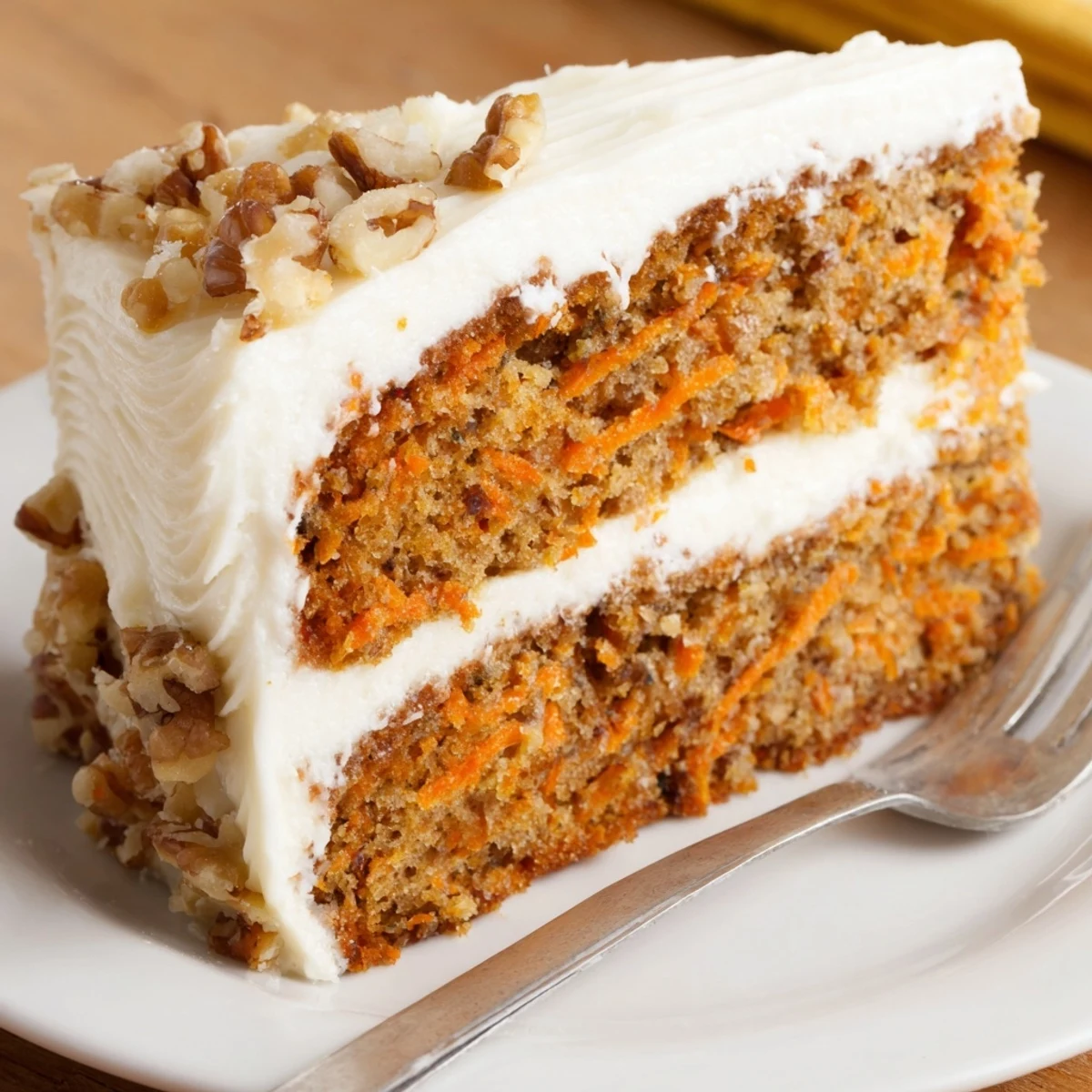
 This moist carrot cake blends grated carrots, warm spices, and oil for a tender crumb. Batter includes eggs, granulated and brown sugar, baking powder and soda; optional walnuts and drained crushed pineapple add texture. Bake about 35–40 minutes at 350°F, cool completely. Frost with whipped cream cheese and butter, sifted powdered sugar and vanilla. Chill before slicing; serves 12.
The kitchen smelled like a spice market the morning my daughter handed me a fistful of carrots from our garden and dared me to make something unforgettable.
I have made this cake for neighborhood potlucks, rainy Tuesday afternoons, and once at midnight when a friend needed comfort more than sleep.
Ingredients
- All purpose flour (2 cups, 250 g): Spoon and level it gently because packed flour turns a tender cake into something heavy.
- Baking powder (2 teaspoons) and baking soda (1 1/2 teaspoons): Check expiration dates because old leavening is the silent killer of good cake.
- Ground cinnamon (1 teaspoon), nutmeg (1/2 teaspoon), and salt (1/2 teaspoon): Fresh spices make an enormous difference so replace them if they have been sitting over a year.
- Large eggs, room temperature (3): Pull them out thirty minutes ahead so they blend seamlessly into the batter.
- Granulated sugar (1 cup, 200 g) and light brown sugar (1/2 cup, 100 g, packed): The brown sugar adds caramel depth that white sugar alone cannot achieve.
- Vegetable oil (1 cup, 240 ml): Oil keeps this cake moister than butter ever could and that matters for days after baking.
- Vanilla extract (2 teaspoons for cake, plus 1 teaspoon for frosting): Use pure extract because the artificial stuff leaves a flat chemical aftertaste.
- Grated carrots (2 cups, 220 g): Grate them on the fine holes of your box grater for the most even texture throughout the crumb.
- Chopped walnuts or pecans (1/2 cup, 60 g, optional): Toast them lightly in a dry pan first and the flavor will triple in intensity.
- Crushed pineapple, well drained (1/2 cup, 80 g, optional): Squeeze it in a clean towel until nearly dry because excess liquid makes the center sink.
- Cream cheese, softened (8 oz, 225 g): Full fat is nonnegotiable here and it must be truly soft or you will fight lumps forever.
- Unsalted butter, softened (4 oz, 115 g): Cut it into pieces and let it warm naturally on the counter for the smoothest frosting.
- Powdered sugar, sifted (2 to 2 1/2 cups, 240 to 300 g): Start with less and add more until the sweetness and spreadability feel right to you.
- Salt for frosting (pinch): A tiny pinch sharpens the tang and keeps the frosting from tasting one dimensional.
Instructions
- Prepare your pans:
- Heat the oven to 350 degrees F and grease your pans generously before dusting them with flour, tapping out the excess over the sink.
- Whisk the dry ingredients:
- In a medium bowl, combine the flour, baking powder, baking soda, cinnamon, nutmeg, and salt with a whisk until evenly blended and fragrant.
- Beat the wet ingredients:
- In a large bowl, beat the eggs with both sugars until the mixture looks smooth and slightly lighter in color, then pour in the oil and vanilla.
- Bring it all together:
- Add the dry mixture to the wet in three gentle additions, stirring just until the flour disappears and not a single stroke more.
- Fold in the good stuff:
- Use a spatula to fold in the grated carrots, nuts, and pineapple with slow, sweeping motions that keep the batter airy.
- Bake with patience:
- Pour the batter into your prepared pans, smooth the tops, and bake 35 to 40 minutes until a toothpick slides out clean from the center.
- Cool completely:
- Let the cakes rest in their pans on a wire rack until you can handle them comfortably, then turn them out to finish cooling.
- Whip up the frosting:
- Beat the cream cheese and butter together until light and fluffy, then gradually add the sifted powdered sugar, vanilla, and salt until perfectly smooth.
- Frost and finish:
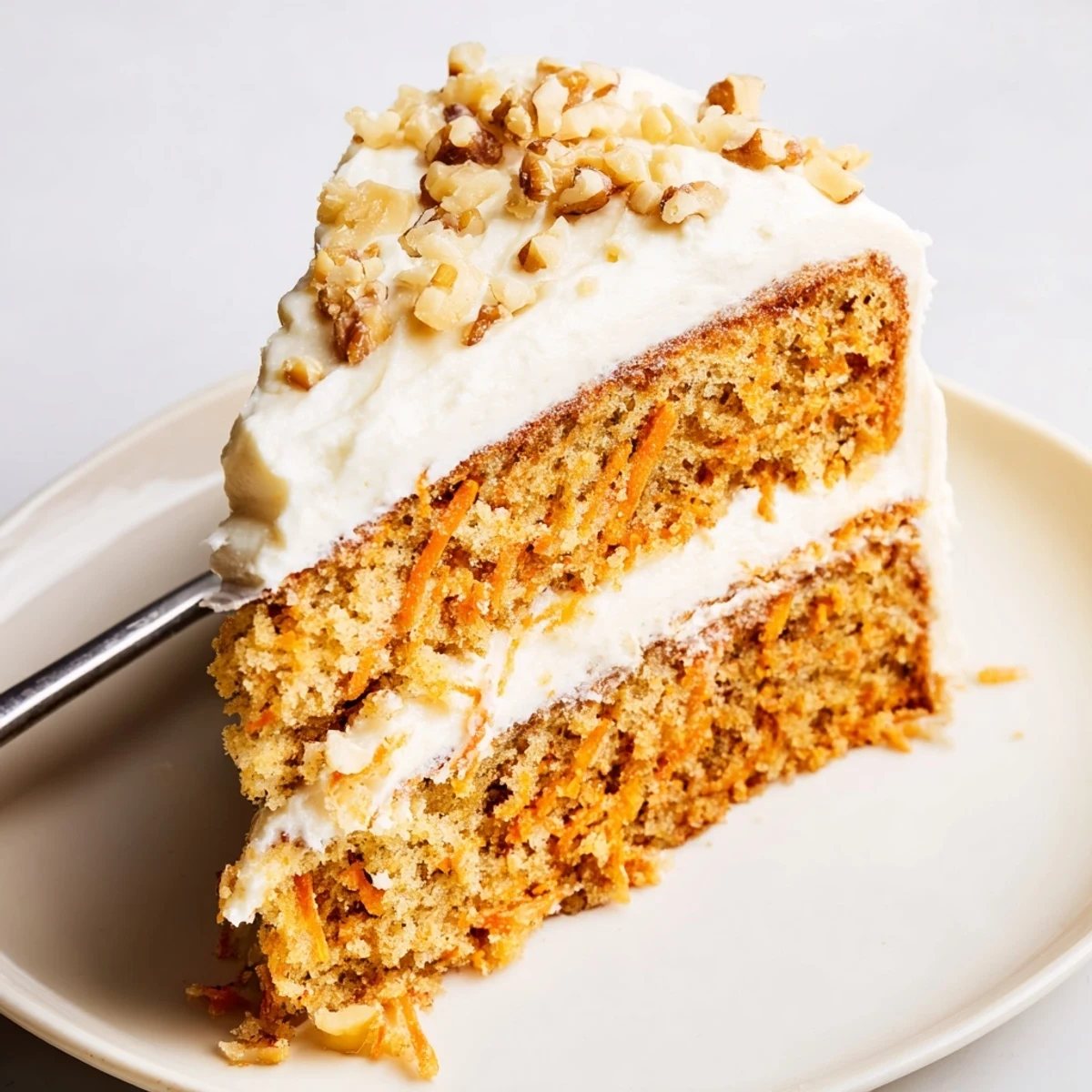
- Spread the frosting evenly over the cooled cake layers, building it between layers if you made a layer cake, and swirl it with the back of a spoon for a rustic look.
 Pin It
 The first time I served this at a family gathering my father in law went quiet after his first bite, then quietly cut himself another piece without saying a word.
Getting the Texture Right
The grated carrot size matters more than people realize, and I learned this the hard way when I used thick shreds that created wet tunnels through the crumb.
Storing and Serving
This cake actually tastes better on the second day when the spices have had time to settle and deepen, so I often bake it the night before if I can resist cutting into it early.
Variations Worth Trying
Once you master the base recipe this cake becomes a playground for personal touches and seasonal twists.
- Half a cup of raisins plumped in warm water adds chewy little bursts of sweetness throughout every slice.
- A quarter teaspoon of ground ginger transforms the spice profile into something warmer and more complex.
- Shredded coconut folded in with the carrots creates a texture that surprises people in the best way.
 Pin It
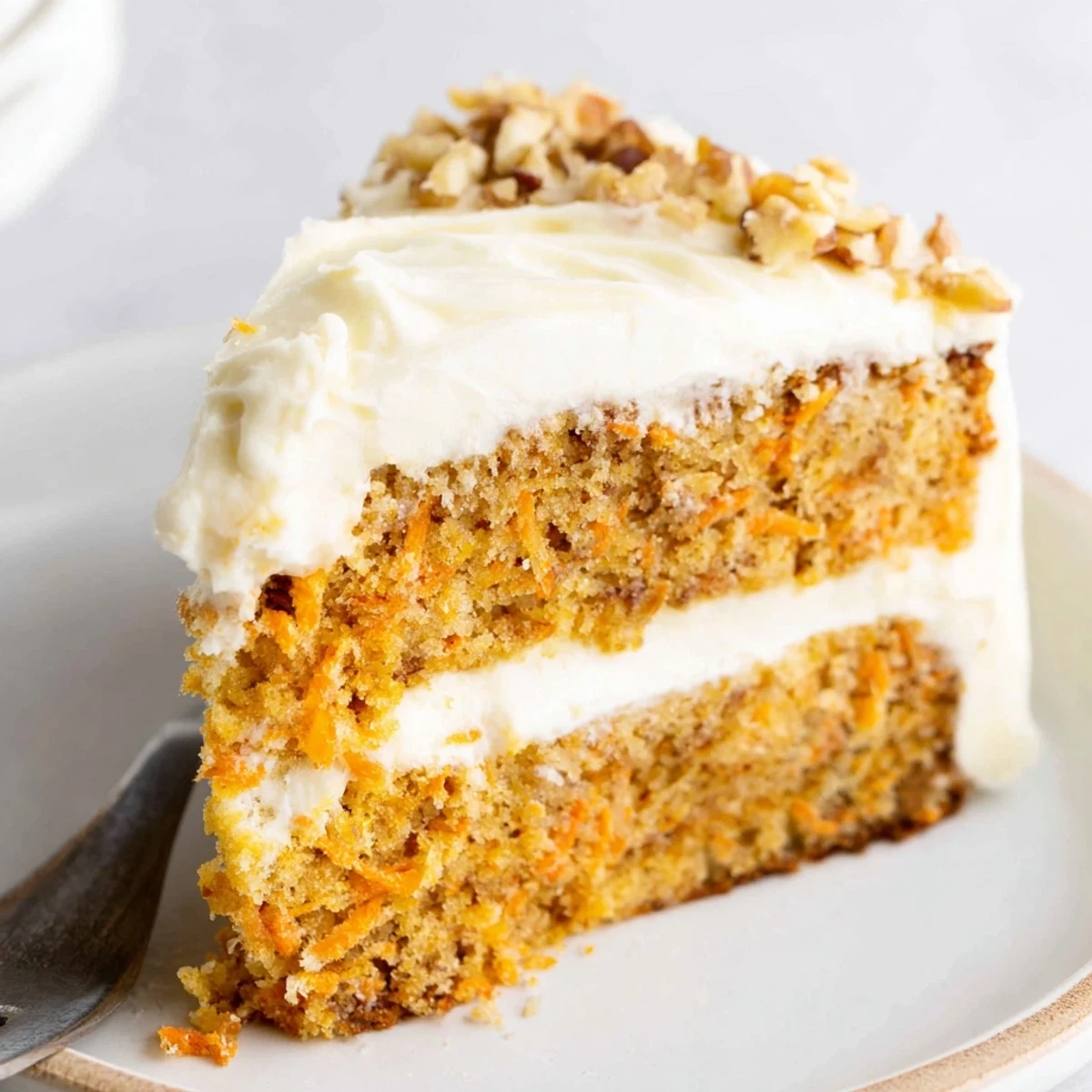
 Some cakes are just dessert, but this one has a way of becoming the reason people linger at the table a little longer.
Recipe FAQs
- → What pan should I use?
-
Use two 8-inch round pans for layers or one 9x13-inch pan for a single cake. Adjust bake time slightly if using a larger, shallower pan.
- → How do I know when it's done?
-
A toothpick or skewer inserted in the center should come out clean or with a few moist crumbs. The cake should spring back lightly when pressed.
- → Can I substitute the oil?
-
Light-tasting vegetable oil keeps the cake tender; you can swap equal amounts of melted light olive oil or neutral-flavored oil. Butter will change texture and flavor.
- → How do I prevent a soggy cake with pineapple?
-
Use well-drained crushed pineapple and gently fold it into the batter to avoid adding excess moisture. Pat the pineapple in a sieve if needed.
- → How should I store leftovers?
-
Refrigerate the frosted cake in an airtight container for up to 4 days. Bring to room temperature before serving for best texture and flavor.
- → Can I freeze the cake or frosting?
-
Yes. Freeze unfrosted layers wrapped tightly for up to 3 months. Thaw overnight in the refrigerator, then bring to room temperature before assembling. Frosting can be frozen in an airtight container and rewhipped slightly after thawing.