 Pin It
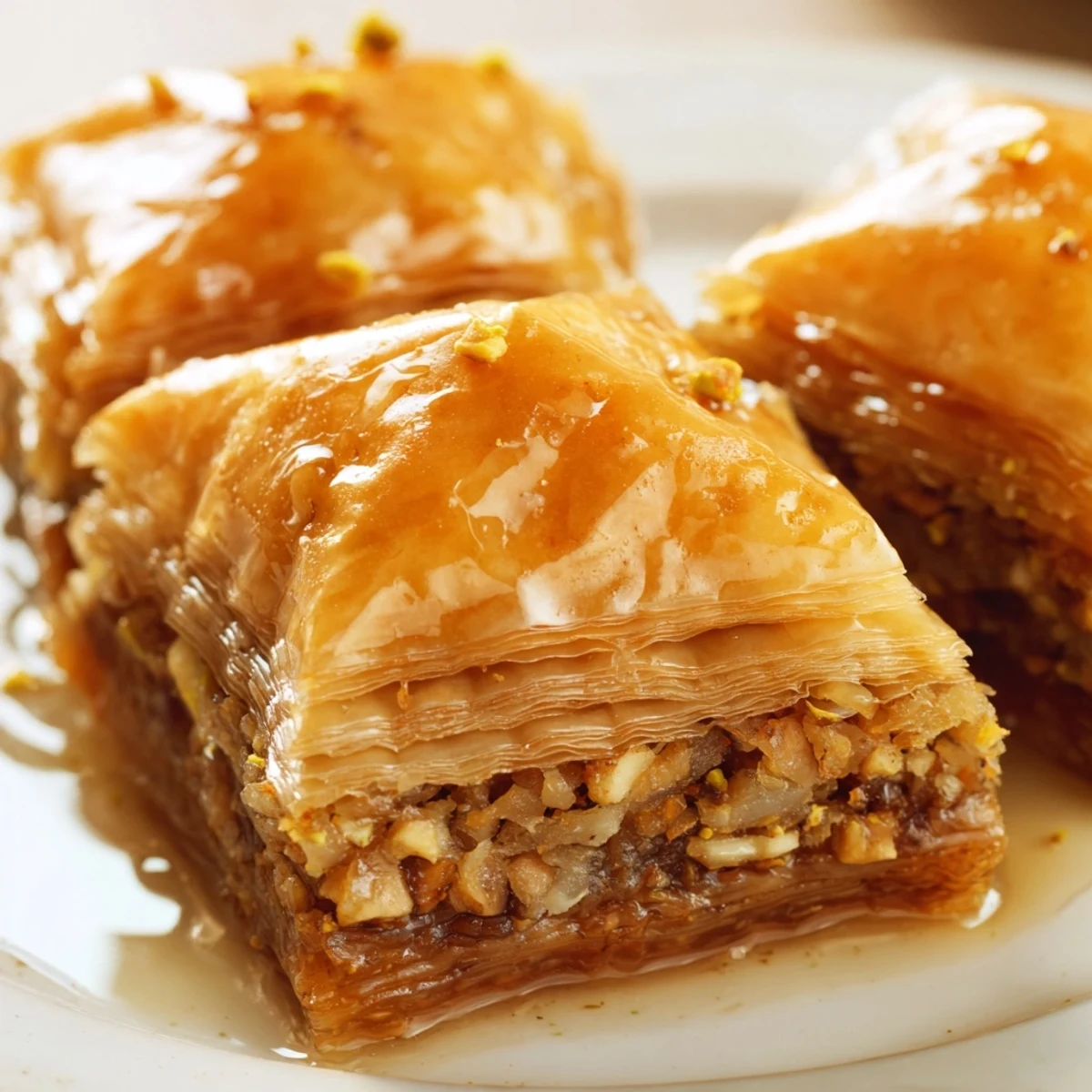
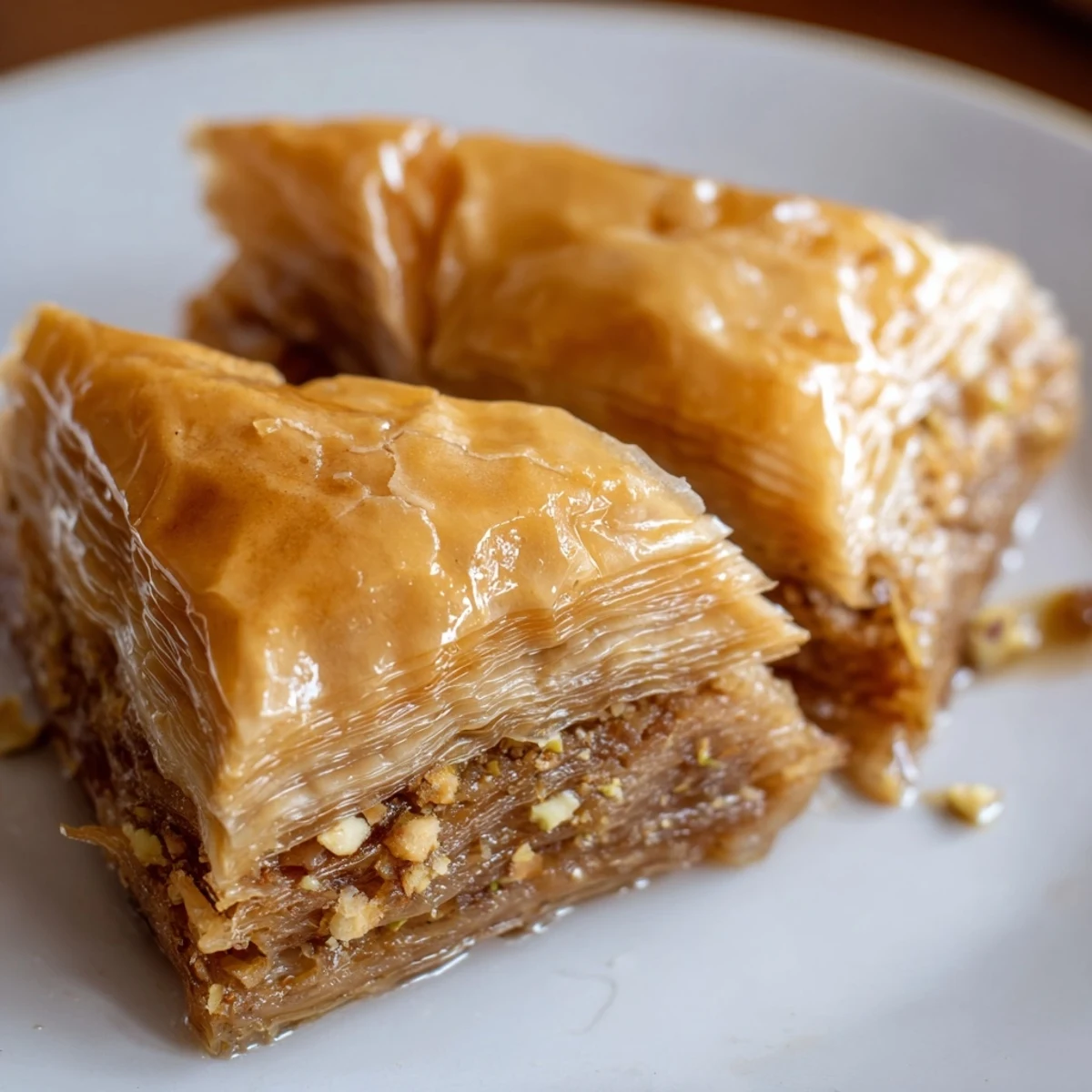
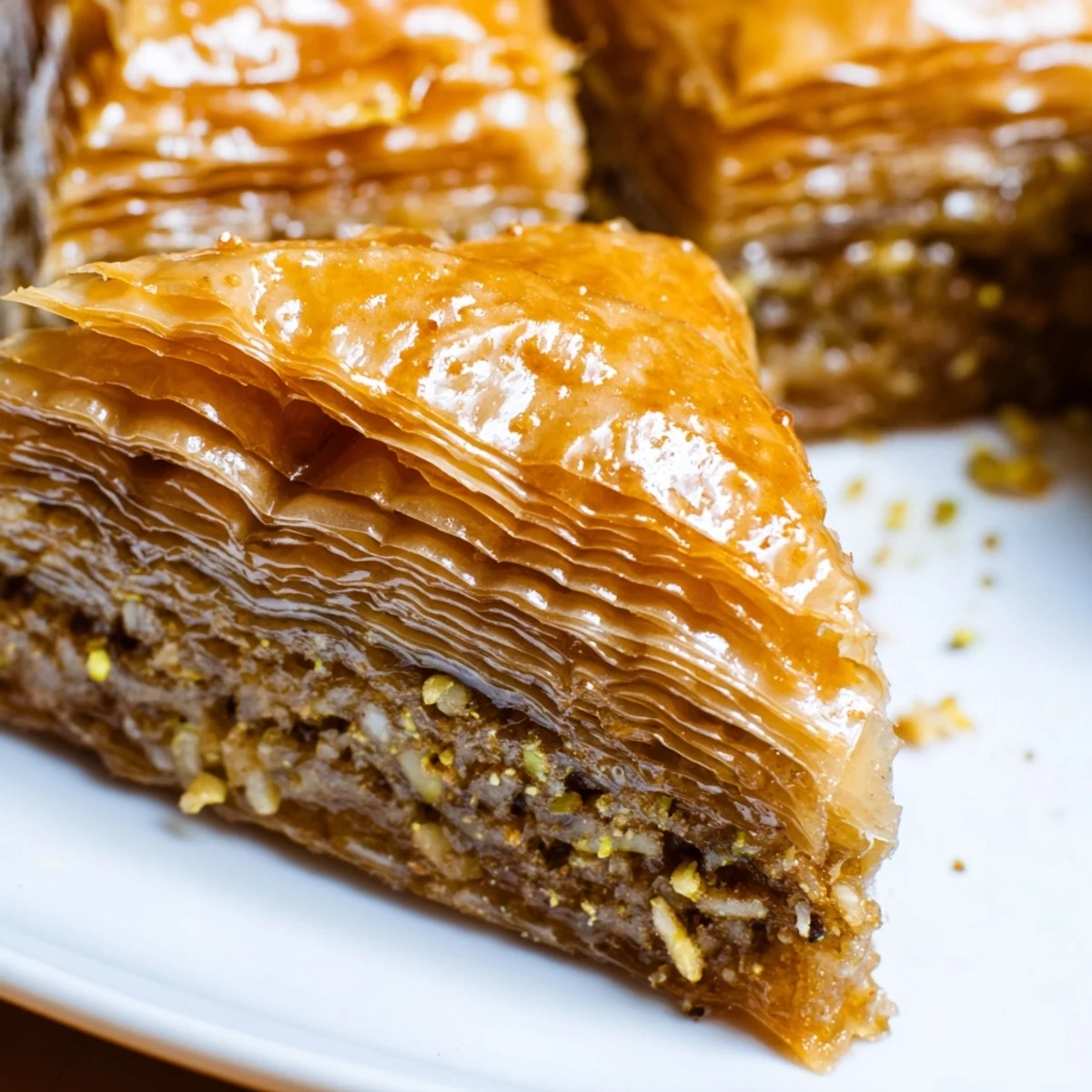
 This traditional Bosnian delicacy features thin layers of buttery phyllo dough stacked with finely chopped walnuts, almonds, and pistachios seasoned with warming spices. The pastry is baked until golden crisp, then drenched in a fragrant syrup made from sugar, honey, lemon juice, and rose water. Best enjoyed after a day of resting, allowing the sweet syrup to fully penetrate every layer for the perfect balance of crunchy and tender textures.
The first time I attempted Bosnian baklava, I was visiting my friend Amela's grandmother in Sarajevo during a particularly snowy February. Her kitchen smelled like butter and roasted walnuts, and she moved with such practiced ease that made the delicate layering look almost effortless. I watched, mesmerized, as she brushed each translucent phyllo sheet with melted butter, her hands steady and sure. When she handed me the pastry brush, I realized this was a dance of patience and precision.
Last autumn, I made three trays for my daughter's school international festival, and watching people's eyes light up when they took their first bite reminded me why this dessert has endured across generations. One of the other parents asked for the recipe, then came back thirty minutes later saying her grandmother used to make the exact same version. Food really does carry our stories forward.
Ingredients
- 500 g phyllo dough (about 20–24 sheets): Thaw completely in the refrigerator overnight if frozen, and keep the stack covered with a slightly damp cloth while working to prevent drying out
- 250 g walnuts, finely chopped: Freshly chopped nuts make a noticeable difference in flavor and texture compared to pre packaged chopped nuts
- 100 g almonds, finely chopped: Blanching and skinning the almonds first creates a more refined texture, though it is not strictly necessary
- 100 g pistachios, finely chopped: These add beautiful color pockets throughout the layers, but you can substitute more walnuts if preferred
- 100 g sugar: The sugar in the filling balances the nuts without making them cloyingly sweet
- 1 tsp ground cinnamon: Use freshly ground cinnamon if possible, as it has a more complex, warming flavor
- 1/4 tsp ground cloves: A tiny amount goes a long way, adding depth that people notice but cannot quite identify
- 250 g unsalted butter, melted: Clarified butter works exceptionally well, but regular melted butter is perfectly traditional
- 400 g sugar for syrup: This amount creates the classic sweetness level, though you can reduce it slightly if you prefer
- 250 ml water: The water to sugar ratio creates a syrup that is thick enough to coat but not become sticky
- 100 ml honey: Adds floral notes that complement the nuts and create a more complex sweetness
- 1/2 lemon, juiced: The acid cuts through the sweetness and helps balance the rich flavors
- 1 tbsp rose water or orange blossom water: This is the secret ingredient that makes your baklava taste like it came from a specialty bakery
Instructions
- Get your oven and pan ready:
- Preheat your oven to 180°C (350°F) and generously grease a 23x33 cm (9x13-inch) baking pan with some of the melted butter, making sure to coat the corners well
- Mix your nut filling:
- Combine all the nuts with sugar, cinnamon, and cloves in a large bowl, stirring until the spices are evenly distributed throughout
- Start the foundation:
- Layer 6 to 8 sheets of phyllo in the pan, brushing each one lightly with melted butter, and do not worry about small tears as they will not matter in the end
- Add the first nut layer:
- Sprinkle exactly one third of your nut mixture over the phyllo, spreading it evenly with your hands
- Build more layers:
- Add 4 to 5 more buttered phyllo sheets, then another third of the nuts, repeating this pattern one more time
- Finish the top:
- Layer the remaining phyllo sheets, buttering each one including the very top layer, which should have a generous coating of butter to achieve perfect golden color
- Cut before baking:
- Use a sharp knife to cut the baklava into diamonds or squares, cutting all the way through to the bottom, as this is essential for proper syrup absorption
- Bake until golden:
- Bake for 35 to 40 minutes until the top is deeply golden and you can smell the toasted nuts throughout your house
- Make the syrup while baking:
- Combine sugar, water, and lemon juice in a saucepan, boil for 8 to 10 minutes until slightly thickened, then remove from heat and stir in honey and rose or orange blossom water
- The crucial step:
- Pour the hot syrup evenly over the hot baklava immediately after removing it from the oven, listening for that satisfying sizzle
- Practice patience:
- Let the baklava cool completely in the pan, preferably for several hours or overnight, to allow the syrup to fully penetrate every layer
 Pin It
 My sister in law, who had never attempted any phyllo dessert before, tried this recipe last Eid and called me immediately after her first bite, practically in tears because she could not believe she had actually made something that tasted like it came from a bakery. That moment of someone discovering their own capability in the kitchen is exactly why I love sharing these recipes.
Working With Phyllo Without Tears
The biggest mistake I see with phyllo is trying to handle it like regular dough, but it is more like working with very thin paper. Keep a damp kitchen towel over the stack you are not using, work with one sheet at a time, and do not stress if some sheets tear because the layers are so forgiving that no one will ever notice. Your butter brush should have soft bristles and you should use a light hand, as too much butter between layers can make the final pastry greasy rather than crisp.
The Syrup Science
What makes Balkan baklava distinct from other versions is the honey in the syrup, which creates a more complex sweetness and better preservation qualities. The lemon juice is not just for flavor, it actually inhibits crystallization so your syrup stays smooth and pourable. I have learned that timing the syrup preparation is crucial, you want it ready when the baklava comes out of the oven, but not so early that it cools down.
Serving And Storing
Baklava actually improves after sitting for a day, as the syrup has time to work its way through every single layer and the flavors have time to meld. Serve it at room temperature, never chilled, as cold butter loses that luxurious mouthfeel. Small pieces are traditional because this is an incredibly rich dessert, and a little goes a long way.
- Use a very sharp knife and wipe it clean between cuts for the neatest edges
- Pair with strong black coffee or tea, as the bitterness balances the intense sweetness
- Leftovers keep perfectly in an airtight container for up to a week at room temperature
 Pin It
 Every time I pull a tray of golden baklava from the oven, I think about how many grandmothers across Bosnia have made this same dessert in their own kitchens, their own hands buttering layers of dough. There is something profoundly connective about making a recipe that has traveled through time and into your own kitchen.
Recipe FAQs
- → Can I make baklava ahead of time?
-
Yes, baklava actually improves when made a day ahead. This allows the syrup to fully soak into the layers, resulting in a more moist and flavorful pastry. Store in an airtight container at room temperature.
- → What nuts work best in this filling?
-
Walnuts and almonds form the traditional base, while pistachios add color and subtle flavor. You can substitute hazelnuts or adjust ratios based on preference. All nuts should be finely chopped for even distribution.
- → Why is the syrup added while both are hot?
-
Pouring hot syrup over hot baklava ensures proper absorption. The heat helps the syrup penetrate all layers evenly, creating that characteristic moist texture throughout every sheet of phyllo.
- → How do I prevent phyllo from drying out?
-
Keep unused phyllo covered with a damp cloth while working. Work quickly but carefully, and brush each sheet with melted butter immediately after placing it. This creates the signature flaky, crisp layers.
- → Can I freeze baklava?
-
Yes, freeze before adding the syrup. Wrap unbaked or baked (unsyruped) baklava tightly and freeze up to 3 months. Thaw completely, then reheat and add fresh syrup for best results.
- → What's the purpose of lemon juice in the syrup?
-
Lemon juice balances the sweetness and helps prevent the sugar from crystallizing. It also adds a subtle brightness that complements the rich nuts and buttery phyllo, creating a more complex flavor profile.