
 Pin It
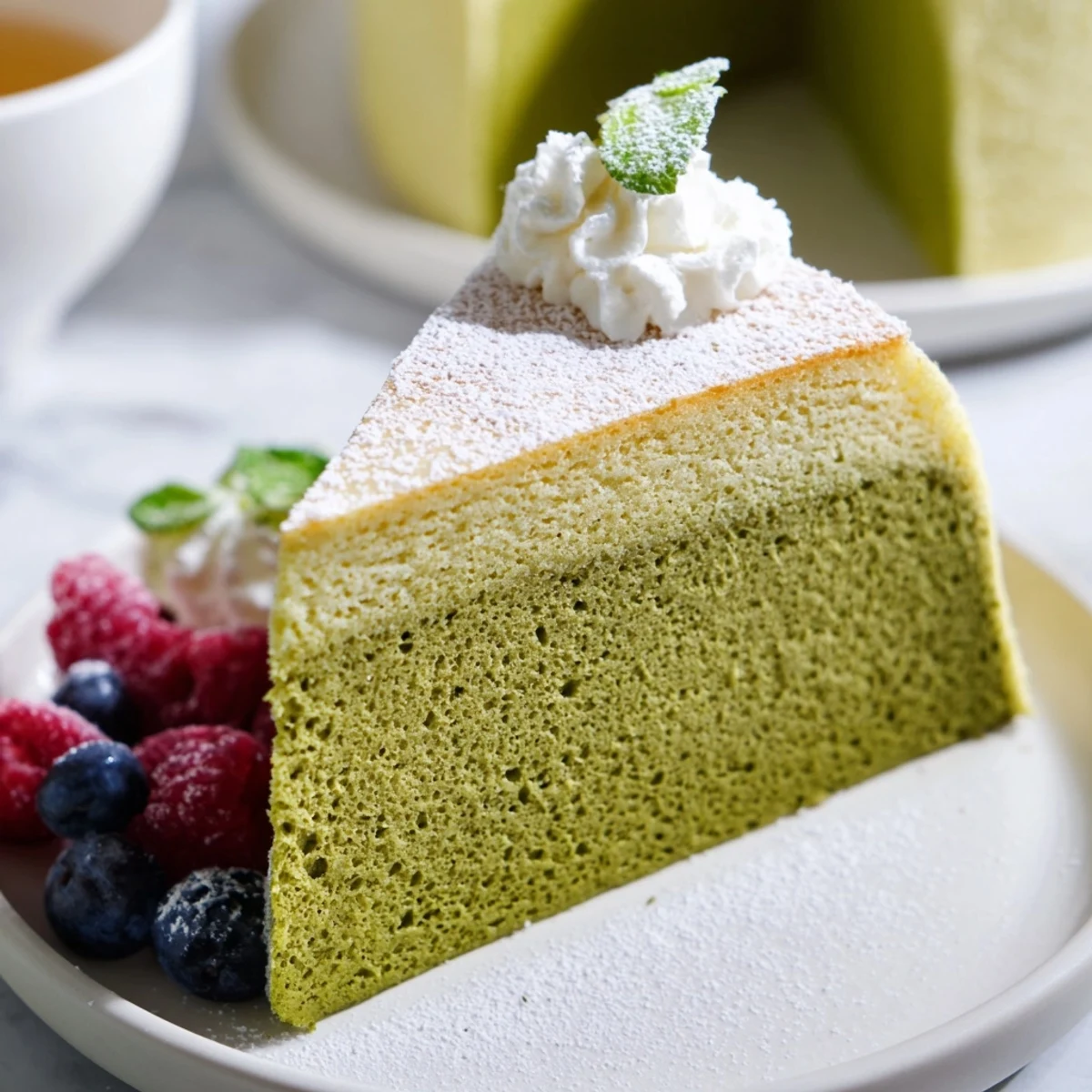
 This Japanese-inspired matcha sponge cake combines vibrant green tea powder with a tender, fluffy crumb. The batter comes together by alternating sifted dry ingredients—flour, matcha, baking powder, and salt—with a wet mixture of eggs, sugar, melted butter, milk, and vanilla. Bake at 350°F for 30–35 minutes until a toothpick comes out clean.
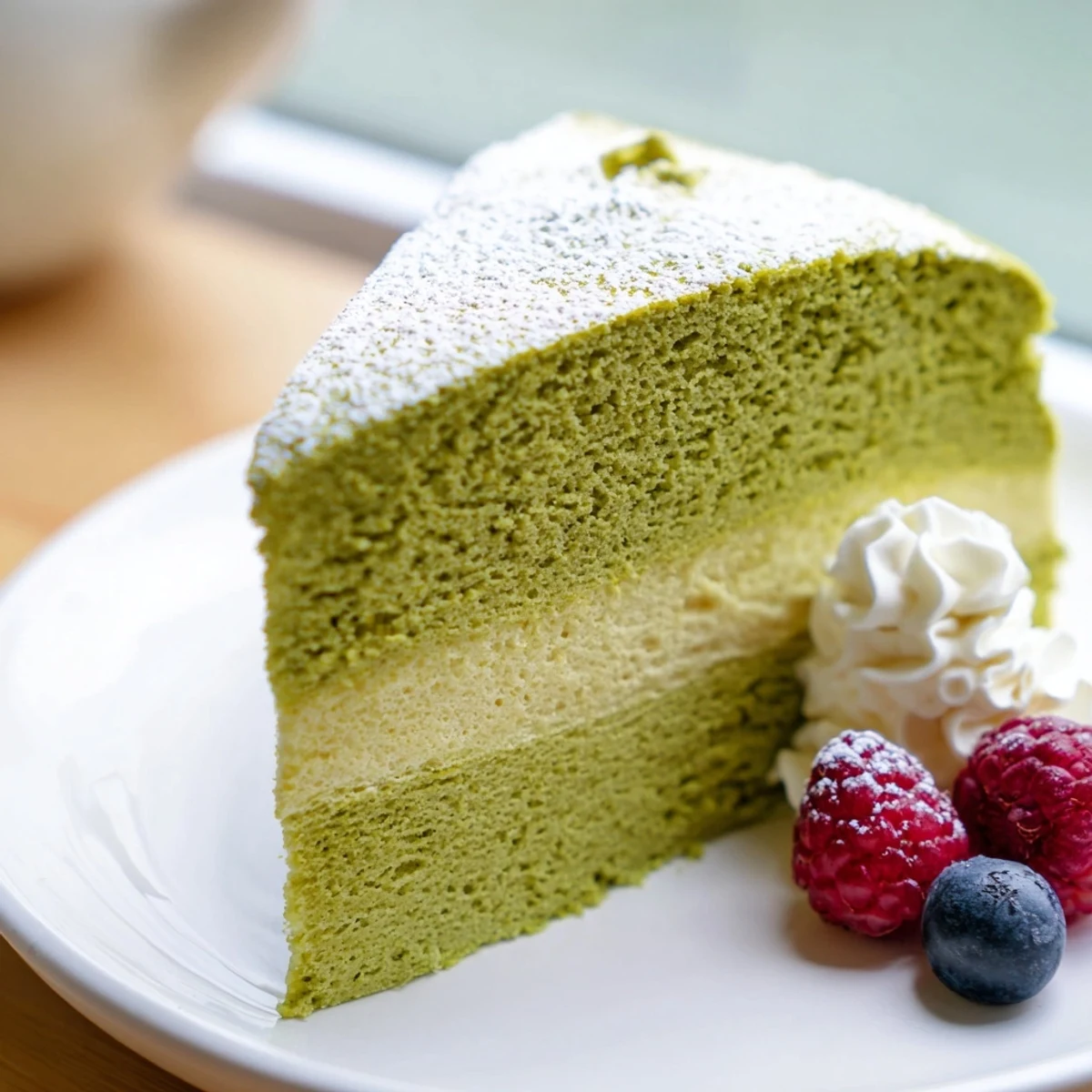
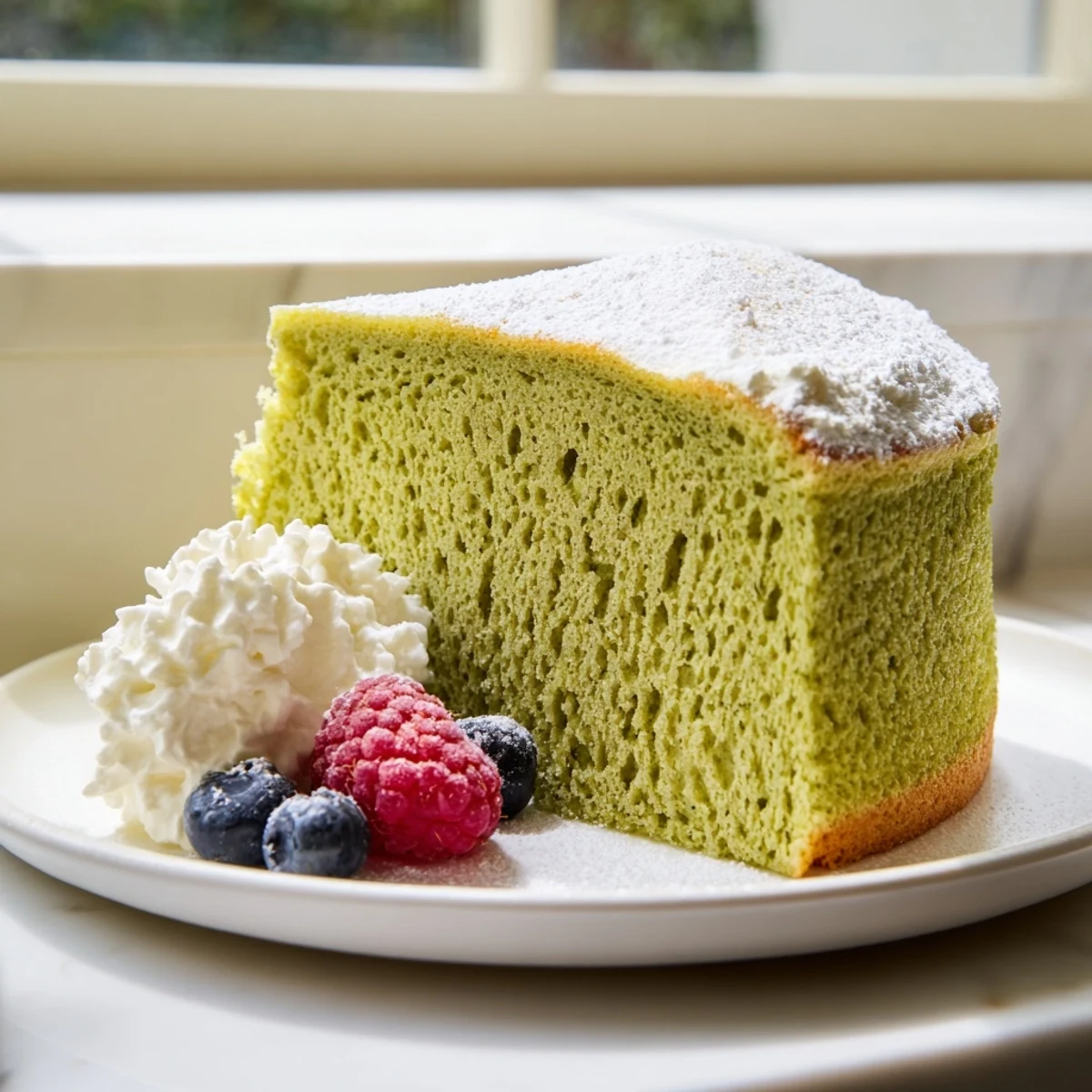
The result is a beautifully green-hued cake with an earthy, subtly sweet flavor that pairs wonderfully with whipped cream or fresh berries. It serves 8 and is perfect for afternoon tea gatherings or as a refined dessert.
The green tint of this cake always stops people mid sentence when I set it on the table. My neighbor once asked if it was pistachio, and my nephew swore it was mint chocolate, but matcha has a quiet earthiness that neither of those can claim. I stumbled into making this on a rainy Tuesday when a tin of ceremonial grade matcha arrived in the mail and I had no patience for proper whisking. The oven did all the work, and the kitchen smelled like damp grass and warm butter in the most comforting way.
I brought this to a potluck where three people asked for the recipe before they even finished their slices, and one friend texted me the next morning saying she dreamed about it.
Ingredients
- All purpose flour (1 1/2 cups, 180 g): Sifting it matters more here than in most cakes because matcha clings to every lump and you will see green specks if you skip this step.
- Matcha green tea powder (2 tbsp): Use ceremonial grade if you can find it, because the cheaper cooking grade tastes flat and bitter once baked.
- Baking powder (1 tsp): Check the expiration date, because a dead leavener will give you a dense puck instead of a fluffy sponge.
- Salt (1/4 tsp): Just enough to keep the sweetness honest without making the cake taste salty.
- Granulated sugar (3/4 cup, 150 g): Not too much, because you want the matcha to speak, not the sugar to shout.
- Whole milk, room temperature (1/2 cup, 120 ml): Cold milk will seize the melted butter into ugly little lumps, so let it sit out while you gather everything else.
- Unsalted butter, melted and slightly cooled (2/3 cup, 150 g): Cool it until it still feels warm to the touch but no longer sizzling, otherwise it will cook the eggs on contact.
- Large eggs, room temperature (3): Room temperature eggs trap more air when whisked, which is the whole secret to a light crumb.
- Vanilla extract (1 tsp): A quiet backdrop that rounds out the grassy notes of the matcha beautifully.
- Powdered sugar, whipped cream, or fresh berries (optional): A dusting of powdered sugar looks elegant, but a pile of raspberries and a dollop of cream turns this into a proper celebration.
Instructions
- Prepare the oven and pan:
- Heat your oven to 350 degrees F (175 degrees C) and grease an 8 inch round pan before lining the bottom with parchment paper so the cake releases cleanly later.
- Sift the dry ingredients:
- In a medium bowl, sift the flour, matcha powder, baking powder, and salt together until the mixture is an even pale green with no darker specks hiding in the corners.
- Whisk eggs and sugar until fluffy:
- In a large bowl, beat the eggs and sugar vigorously for about 2 to 3 minutes until the mixture turns pale yellow and falls in thick ribbons from the whisk.
- Add butter and vanilla:
- Pour in the melted butter and vanilla extract, then fold gently until the mixture looks silky and homogenous.
- Combine wet and dry:
- Add the dry ingredients and milk in alternating batches, starting and ending with the flour mixture, and stir just until the last streak of white disappears.
- Bake the cake:
- Scrape the batter into your prepared pan, smooth the top with a spatula, and bake for 30 to 35 minutes until a toothpick poked into the center comes out clean.
- Cool and finish:
- Let the cake rest in the pan for 10 minutes, then turn it onto a wire rack to cool completely before dusting with powdered sugar or serving with cream and berries.
 Pin It
 One winter evening I ate a slice of this cake sitting on the kitchen floor still warm from the pan, and it was better than any bakery version I have ever paid for.
Choosing the Right Matcha Makes or Breaks This Cake
Ceremonial grade matcha costs more but tastes sweeter and more complex after baking, while culinary grade tends to go flat and vaguely bitter. If your matcha smells dusty or looks dull olive instead of vivid green, it is probably too old and will give the cake a muddy flavor no amount of sugar can fix.
A Few Words on Mixing Technique
The alternating dry and wet addition is not just busywork, because it prevents the batter from curdling and keeps the crumb even throughout the cake. Think of folding rather than stirring, using a spatula with gentle sweeps from the bottom of the bowl up through the center.
Serving and Storing This Cake Well
This cake tastes best on the day it is baked but stays lovely for up to three days wrapped tightly in plastic at room temperature.
- Avoid refrigerating it, because the cold dries out the crumb and dulls the matcha flavor.
- Substitute half the flour with almond flour if you want a slightly denser, nuttier version that pairs beautifully with afternoon tea.
- Freeze individual slices wrapped in foil for up to one month, then thaw at room temperature for a quick treat.
 Pin It
 Every time I bake this cake the color surprises me all over again, and someone at the table always reaches for a second slice before finishing the first.
Recipe FAQs
- → What grade of matcha powder should I use for this cake?
-
Culinary-grade matcha works perfectly for baking. Look for a vibrant green color and smooth texture. Avoid ceremonial grade, which is more expensive and best reserved for drinking. Adding an extra tablespoon can intensify the flavor if desired.
- → Can I make this cake ahead of time?
-
Yes, the cake stores well at room temperature for up to 2 days when wrapped tightly in plastic wrap. It can also be refrigerated for up to 5 days. Bring it to room temperature before serving for the best texture and flavor.
- → Why did my matcha cake turn out dense instead of fluffy?
-
Overmixing the batter is the most common cause. Once you combine the wet and dry ingredients, mix just until incorporated. Also ensure your baking powder is fresh and your eggs are at room temperature for optimal lift during baking.
- → Can I substitute the all-purpose flour with a gluten-free alternative?
-
A 1:1 gluten-free baking flour blend can replace all-purpose flour. For a nuttier flavor, you can substitute half the flour with almond flour, though this will slightly alter the texture. Keep in mind the cake will no longer be gluten-free if using almond flour alone as a partial substitute.
- → What pairs well with matcha cake for serving?
-
This cake complements green tea beautifully, as the flavors echo each other. A glass of sparkling wine also works surprisingly well. For toppings, a dusting of powdered sugar, freshly whipped cream, or seasonal berries like strawberries and raspberries add a lovely contrast.
- → How do I get a vibrant green color in my matcha cake?
-
Use high-quality culinary matcha with a bright, vivid green hue. Sift the powder thoroughly to avoid clumps. Some matcha brands are more vibrant than others—look for ones sourced from Uji or Nishio regions in Japan for the best color payoff.