
 Pin It
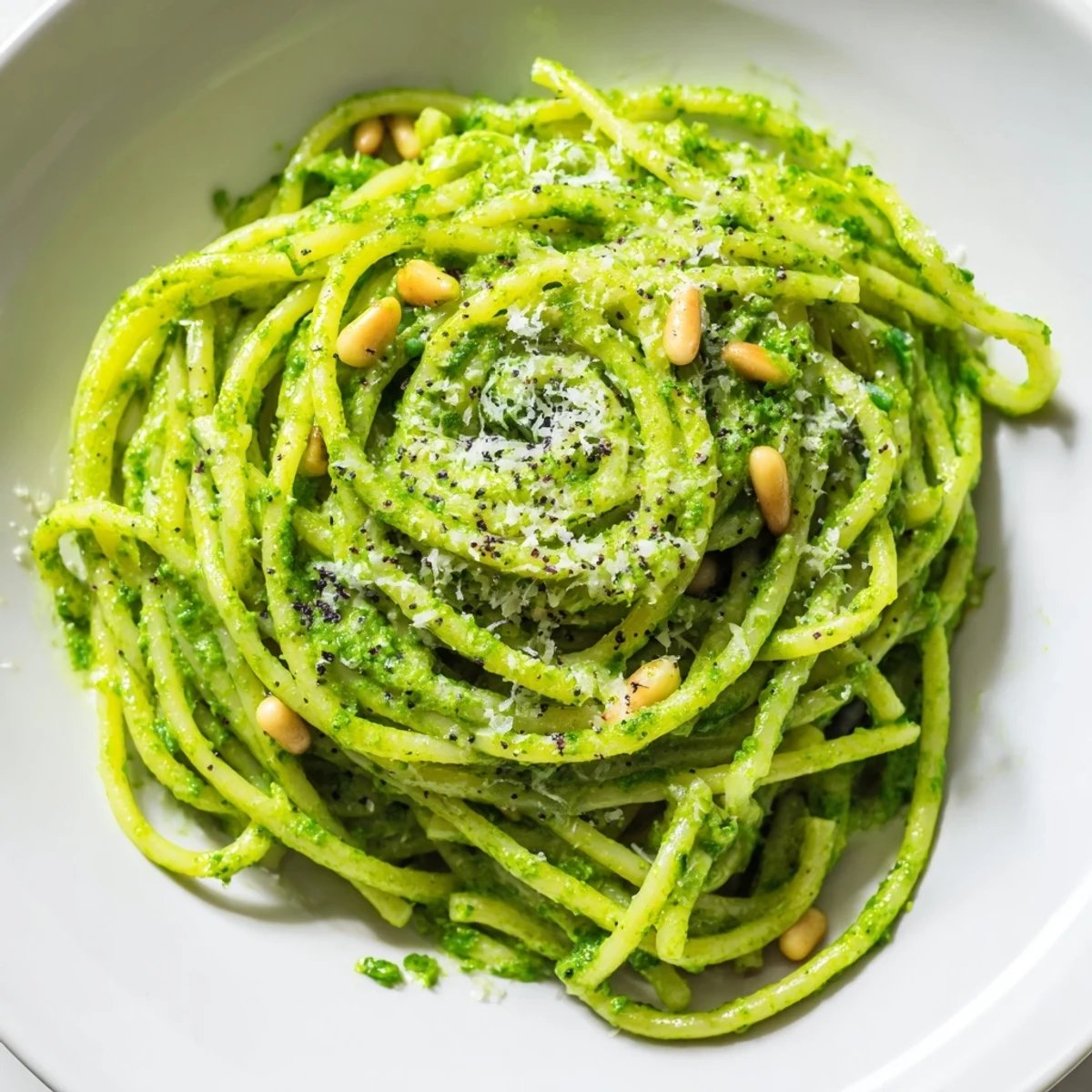
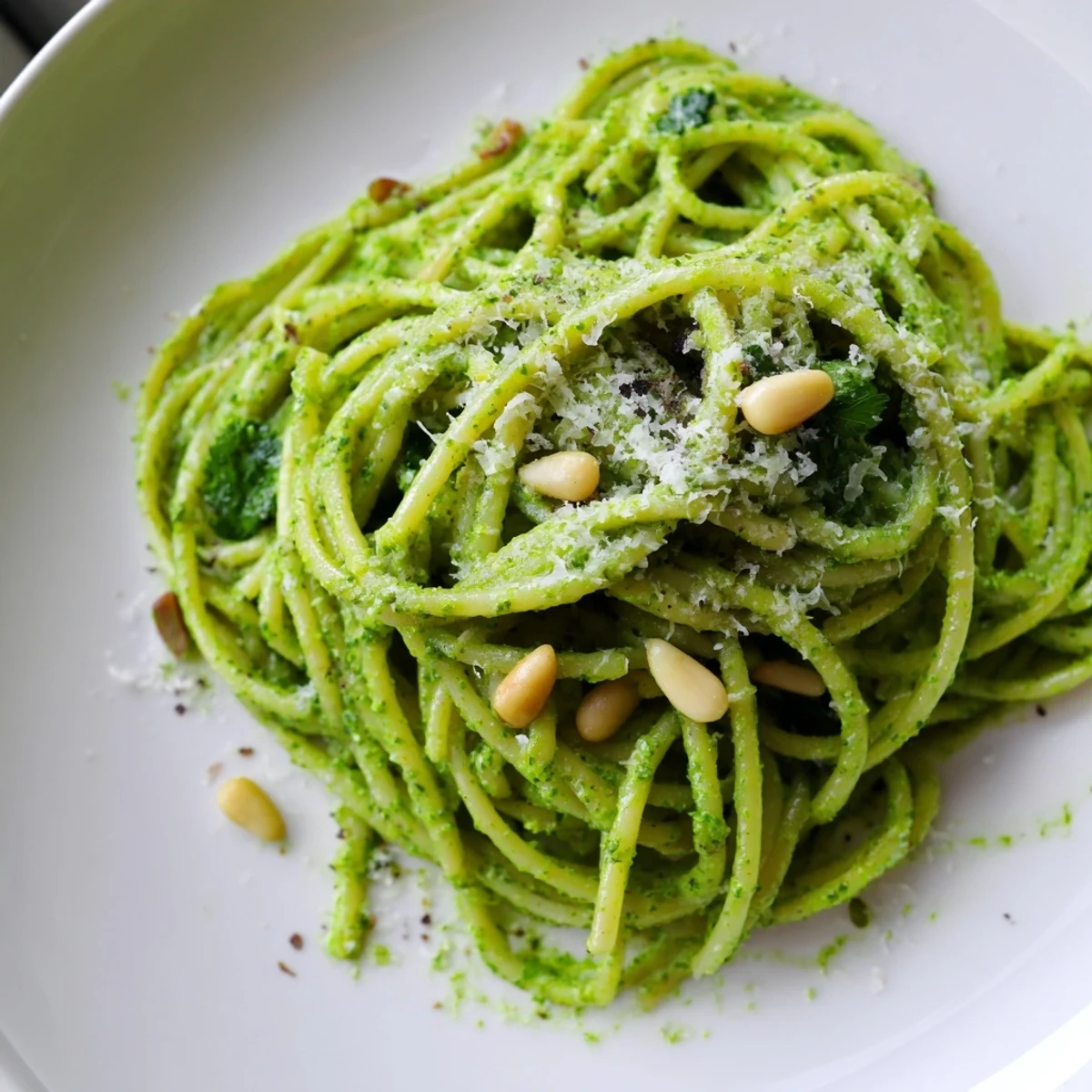
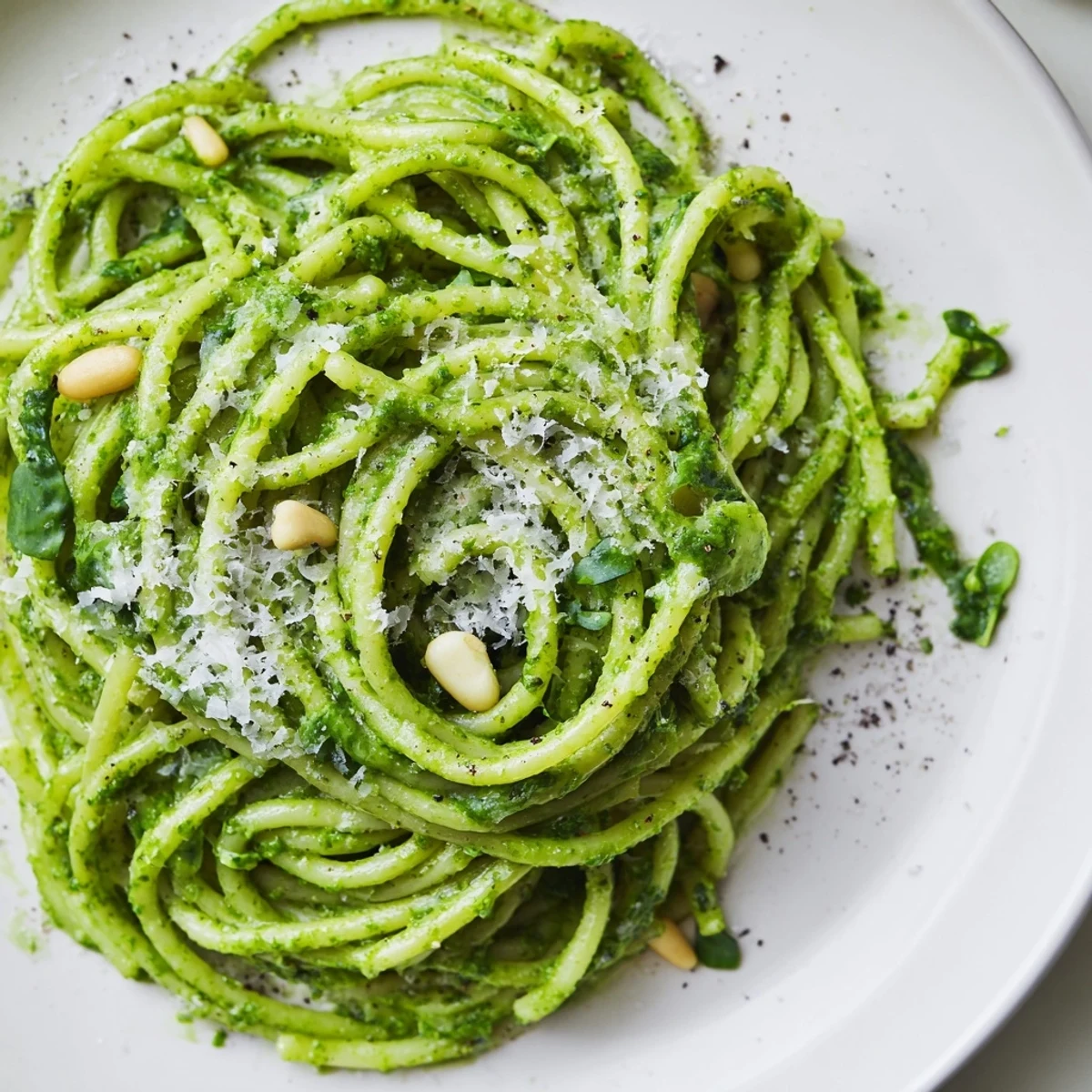
 This wild garlic pesto pasta is the perfect way to celebrate spring produce. Fragrant wild garlic leaves are blended with toasted pine nuts, Parmesan, and a drizzle of olive oil into a vibrant green sauce that clings beautifully to your favorite pasta shape.
Ready in just 25 minutes, it's an effortless yet impressive dish that works equally well for a quick weeknight dinner or a casual gathering with friends. A splash of pasta water ensures a silky, restaurant-quality finish every time.
There is a narrow lane behind my apartment that erupts into wild garlic every April, and the smell hits you before you even see the green carpet of leaves blanketing the ground. My neighbor Clara once caught me crouched there with a paper bag, stuffing handfuls of leaves into it like some kind of foraging gremlin, and she laughed so hard she dropped her groceries. That evening she brought over a bottle of Verdicchio and we made this pesto pasta together standing in my tiny kitchen, barely enough counter space between us.
Clara now texts me every spring without fail to ask if the lane is ready yet, and we have an unspoken competition over who spots the first leaves.
Ingredients
- 75 g wild garlic leaves, rinsed and patted dry: Pick the youngest, brightest leaves you can find because older ones turn bitter and tough, and definitely pat them dry since excess water makes the pesto soupy instead of luxurious.
- 50 g toasted pine nuts (or walnuts): Toasting is nonnegotiable here, raw pine nuts taste like nothing and toasted ones taste like butter and sunshine.
- 50 g freshly grated Parmesan cheese: Please grate it yourself from a block, the pre grated stuff contains anti caking agents that make the pesto gritty.
- 1 garlic clove: Just one, because wild garlic already brings plenty of punch and you want balance not fire.
- 100 ml extra virgin olive oil: Use the good stuff, you will taste every drop in this raw sauce.
- 1/2 lemon, juiced: A squeeze of acid lifts the whole thing and keeps the bright green color from oxidizing to a sad army drab.
- Salt and black pepper, to taste: Season gradually and taste as you go, the Parmesan already brings salt.
- 400 g dried pasta (spaghetti, linguine, or penne): Long strands are traditional but honestly any shape works, sometimes I use fusilli because the spirals grab onto every bit of pesto.
- Salt, for pasta water: The water should taste like mild seawater, this is your one chance to season the pasta itself.
- Extra grated Parmesan and freshly cracked black pepper (optional garnish): Entirely optional in theory but I have never once skipped them.
Instructions
- Boil the pasta with intention:
- Bring a large pot of generously salted water to a rolling boil and cook the pasta according to package directions until just al dente, with a slight bite in the center. Before you drain it, scoop out half a cup of that starchy cloudy water because that liquid is gold for loosening the pesto later.
- Build the pesto base:
- Toss the wild garlic leaves, toasted pine nuts, Parmesan, and garlic clove into a food processor and pulse until everything is roughly chopped, scraping down the sides once or twice. You want texture here, not baby food, so stop before it becomes a homogenous paste.
- Stream in the oil:
- With the motor running, pour the olive oil in a thin steady stream through the feed tube until the pesto comes together into a vibrant, almost impossibly green sauce. Add the lemon juice, season with salt and pepper, and blend for just a few more seconds to combine.
- Marry pasta and pesto:
- Dump the drained pasta back into the warm pot, add the pesto, and toss vigorously with tongs, splashing in reserved pasta water a tablespoon at a time until every strand is coated in a silky, glossy layer. The warmth of the pasta blooms the wild garlic aroma and your kitchen will smell absolutely incredible.
- Plate and finish:
- Divide among bowls immediately and finish with an extra shower of Parmesan and a few cracks of black pepper. Serve it right away because this dish waits for no one and the color dulls the longer it sits.
 Pin It
 The spring after Clara moved to Edinburgh she mailed me a handwritten card that simply said the wild garlic is out, with a pressed leaf taped inside, and I stood in my kitchen holding it feeling like this recipe had become something more than dinner.
Storage and Leftover Strategy
Leftover pesto keeps in a sealed jar in the fridge for up to three days if you press a layer of olive oil on top to keep the air out, though the color will darken slightly which bothers some people more than others. You can also freeze it in ice cube trays and pop a cube directly into hot pasta or even swirl it into soup for a hit of spring in the middle of January.
Making It Vegan
Swapping the Parmesan for nutritional yeast sounds dubious but it actually works beautifully here because wild garlic is assertive enough to carry the flavor without missing the cheese. Use a generous hand with the nutritional yeast, about three tablespoons, and add a pinch more salt since you lose the saltiness the Parmesan would have contributed.
Wine and Side Pairings
A crisp Sauvignon Blanc or a chilled Pinot Grigio is the obvious move and it works every time, but on colder spring evenings I reach for a Verdicchio because it has enough body to stand up to the garlic without erasing it. A simple arugula salad with lemon and oil on the side is all you need, anything more and the pesto gets lost in the noise.
- If you cannot find wild garlic, substitute a mix of regular basil and baby spinach with an extra garlic clove, it is not the same but it is still a lovely dinner.
- Toasted almonds or cashews work in place of pine nuts and save you a surprising amount of money at the checkout.
- Reserve more pasta water than you think you need because once it is gone you cannot get it back.
 Pin It
 Every April I still walk that lane behind my apartment, paper bag in hand, and I always make enough pesto to bring a jar to whoever is closest to me at the moment, because food this green and this alive deserves to be shared.
Recipe FAQs
- → Where can I find wild garlic leaves?
-
Wild garlic (also known as ramsons) grows abundantly in woodland areas during spring, typically from March to May. You can forage it yourself in damp, shaded areas, or look for it at farmers' markets and specialty grocers during the season.
- → Can I make the pesto ahead of time?
-
Yes, the pesto can be prepared up to 3 days in advance and stored in an airtight container in the refrigerator. Press a layer of olive oil on top to prevent oxidation and keep that vibrant green color intact.
- → What pasta shapes work best with this pesto?
-
Long strands like spaghetti or linguine work wonderfully, as the oily pesto coats them evenly. Short shapes like penne or fusilli are equally great — their ridges and curves catch bits of pine nuts and garlic for extra texture in every bite.
- → How do I keep the pesto from turning brown?
-
The lemon juice in the pesto helps slow oxidation, but you can also blanch the wild garlic leaves for 10 seconds in boiling water, then plunge into ice water before blending. This preserves the bright green color beautifully.
- → Is there a good substitute for wild garlic?
-
If wild garlic isn't available, a mix of fresh basil and baby spinach with one extra garlic clove makes a solid alternative. The flavor won't be identical, but you'll still get a fragrant, delicious pesto worth making.
- → Can I freeze leftover pesto?
-
Absolutely. Portion the pesto into ice cube trays, freeze until solid, then transfer to a freezer bag. It keeps well for up to 3 months. Thaw in the fridge before tossing with freshly cooked pasta.