
 Pin It
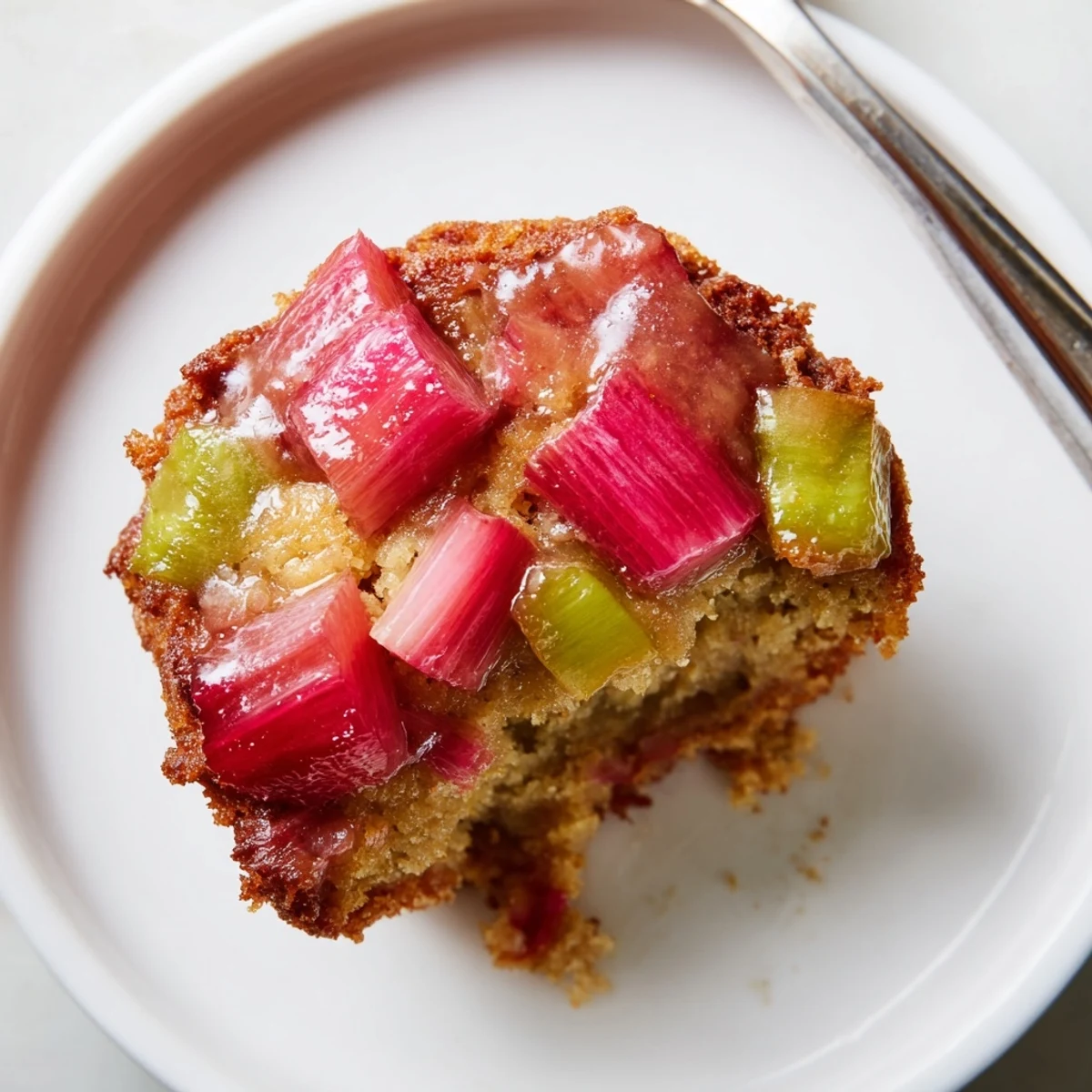
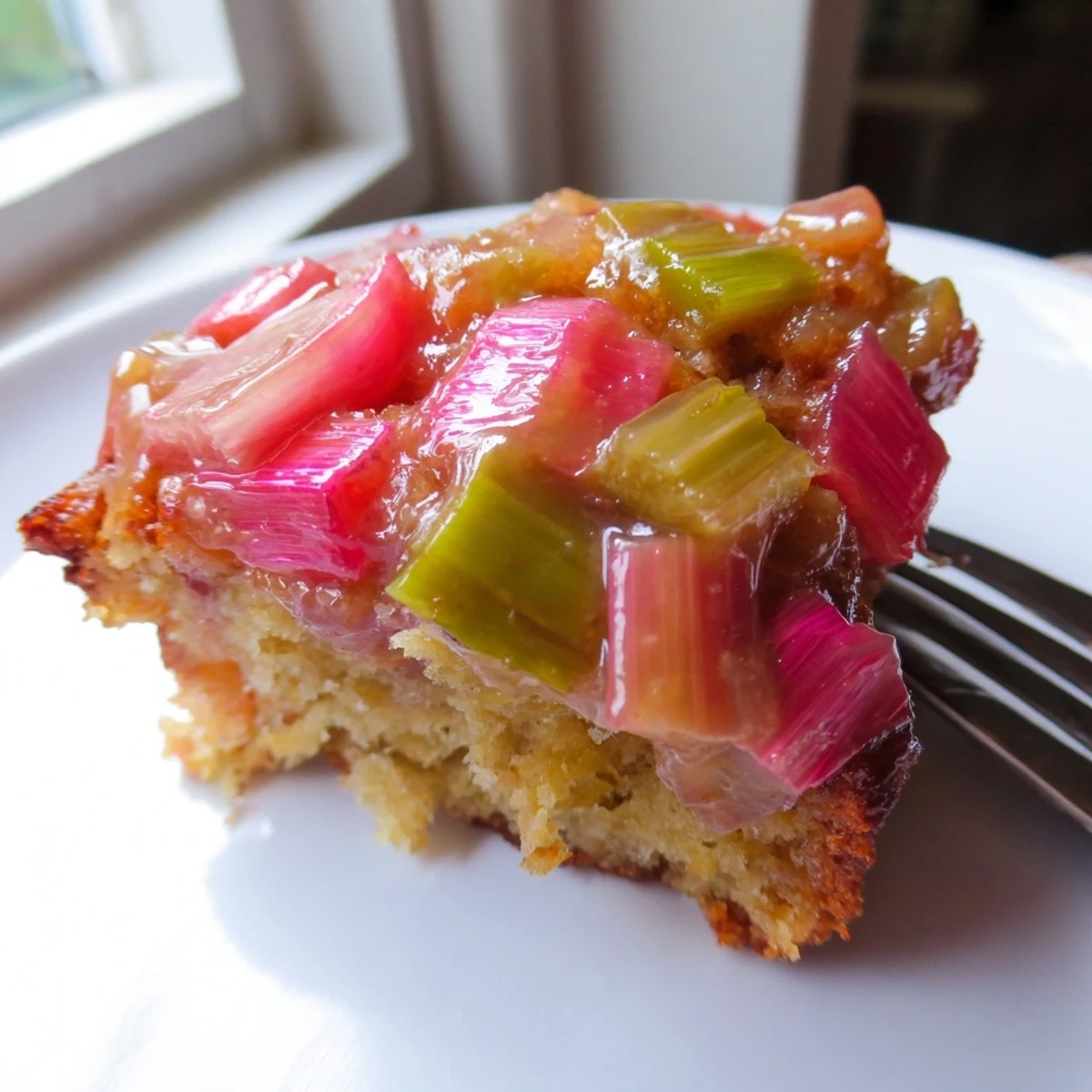
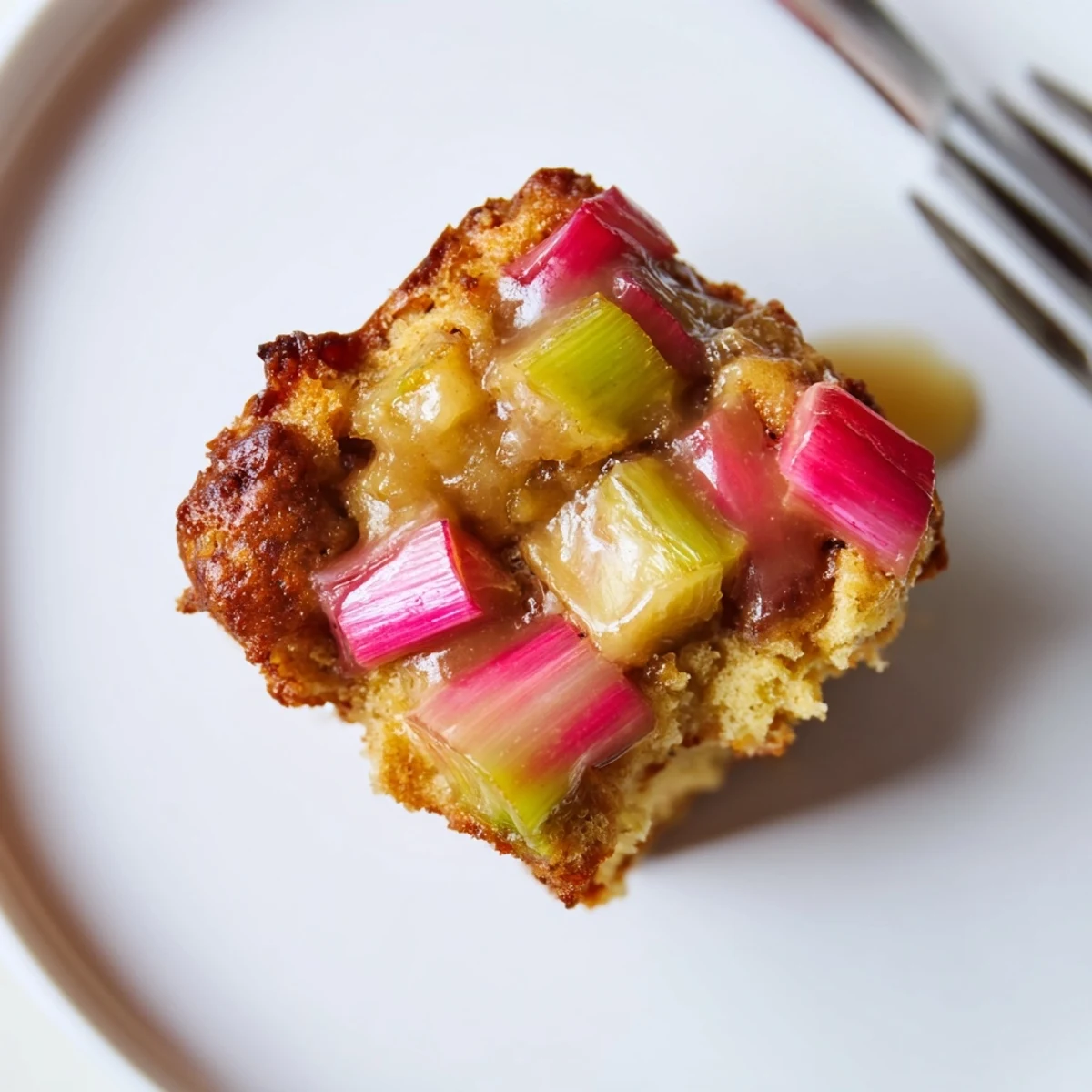
 These upside down rhubarb muffins feature a layer of diced rhubarb mixed with sugar and butter that caramelizes at the bottom of each muffin cup. Once baked and inverted, you get a gorgeous golden topping of glazed fruit atop a tender, vanilla-scented crumb.
The batter comes together quickly with pantry staples — flour, buttermilk, an egg, and a touch of vanilla. Just mix the wet and dry ingredients separately, combine gently without overmixing, and spoon over the rhubarb layer. After 22–25 minutes in the oven, let them rest briefly before flipping onto a wire rack.
Serve them warm for brunch alongside coffee, or dress them up with vanilla ice cream for a simple spring dessert. A pinch of cinnamon or ginger in the rhubarb layer adds lovely warmth.
The farmers market had one lone crate of rhubarb left that Saturday morning, stalks glowing pink like something from a candy shop. I grabbed every bundle without a plan, driven purely by the certainty that rhubarb season is heartbreakingly short and not to be wasted. By noon my kitchen smelled like brown sugar and tart fruit caramelizing together, and I knew I had stumbled onto something worth repeating every spring.
I brought a basket of these to my neighbor Elaines porch on a whim, and she stood there eating two in a row without coming up for air. We ended up sitting in her Adirondack chairs for an hour, rhubarb juice running down our fingers, talking about the peculiar magic of fruit that walks the line between sour and sweet.
Ingredients
- Fresh rhubarb: Look for firm stalks with vibrant color because pale rhubarb tends to cook up watery and bland.
- Granulated sugar (for the rhubarb layer): This melts down with the butter to create a quick caramel that coats every piece of fruit.
- Unsalted butter (melted, for the rhubarb layer): Just two tablespoons but they carry the whole caramel foundation of the recipe.
- All purpose flour: Standard unbleached flour gives these muffins their tender, cakey crumb.
- Granulated sugar (for the batter): A modest half cup keeps the muffin part from competing with the sweet tart topping.
- Baking powder and baking soda: The dual leavening gives a reliable rise even with the acidic buttermilk in the mix.
- Salt: A quarter teaspoon is all you need to sharpen every flavor.
- Unsalted butter (melted and cooled, for the batter): Let it cool so it does not scramble the egg when you whisk everything together.
- Large egg: One egg is enough to bind the batter without making it dense.
- Buttermilk: This is what makes the crumb soft and slightly tangy, and it reacts beautifully with the baking soda.
- Pure vanilla extract: Rounds out the flavor and bridges the gap between the tart rhubarb and the sweet cake.
Instructions
- Set the stage:
- Preheat your oven to 375 degrees Fahrenheit and grease a standard twelve cup muffin tin generously or line it with paper cups so nothing sticks.
- Build the fruity foundation:
- Toss the diced rhubarb with half a cup of sugar and two tablespoons of melted butter until every piece glistens. Spoon a heaping tablespoon of this mixture into the bottom of each muffin cup, pressing it down lightly.
- Whisk the dry team:
- In a large bowl, combine the flour, remaining half cup of sugar, baking powder, baking soda, and salt. Whisk them together so the leavening is evenly distributed throughout.
- Blend the wet ingredients:
- In a separate bowl, whisk the cooled melted butter, egg, buttermilk, and vanilla until the mixture is smooth and slightly creamy looking.
- Bring it all together gently:
- Pour the wet ingredients into the dry and fold with a spatula just until you stop seeing dry flour streaks. Overmixing is the enemy of tender muffins so stop while the batter still looks a bit lumpy.
- Fill and bake:
- Divide the batter evenly over the rhubarb layer in each cup, filling them about three quarters full. Bake for twenty two to twenty five minutes until a toothpick poked into the center of a muffin comes out clean.
- The big flip:
- Let the muffins rest in the pan for five minutes, then run a butter knife around the edges of each one and carefully invert the whole pan onto a wire rack. The rhubarb topping should release beautifully and sit on top like a glistening crown.
 Pin It
 There is something quietly theatrical about the moment you flip the pan and lift it away, never knowing exactly how each muffin top will look until the reveal. I have had batches where every single one released perfectly and others where I had to gently coax a stubborn piece of rhubarb back into place, and both versions tasted equally wonderful.
A Few Words on Rhubarb
Rhubarb is one of those ingredients that confuses people because we treat it like fruit but botanically it is a vegetable. The stalks are the only edible part, and you should always trim away and discard every trace of the leaves since they contain naturally occurring toxins. Fresh spring rhubarb is noticeably more tender and less stringy than what shows up later in the season.
Serving and Pairing Ideas
These muffins are at their absolute best when served slightly warm, when the caramelized rhubarb layer is still soft and sticky. A dollop of barely sweetened whipped cream turns them into a proper dessert, and a cup of strong coffee balances the sweetness perfectly at breakfast.
Storing and Reheating
Keep leftover muffins in an airtight container at room temperature for up to two days, though the rhubarb topping is at its most appealing on day one. You can refrigerate them for up to five days and gently reheat in a low oven to revive the caramelized top.
- A ten minute warm up in a 300 degree oven makes day old muffins taste almost fresh baked.
- These freeze beautifully for up to three months if you wrap each one individually in plastic and then bag them together.
- Always place them rhubarb side up on the wire rack so the sticky topping does not get flattened or smeared.
 Pin It
 Every spring I make at least one batch of these upside down rhubarb muffins, and every year I wonder why I do not make them more often. They are a small, bright reminder that the best recipes often come from grabbing whatever looks good at the market and figuring it out when you get home.
Recipe FAQs
- → Can I use frozen rhubarb instead of fresh?
-
Yes, frozen rhubarb works well. Thaw it first and pat the pieces dry with a paper towel to remove excess moisture before combining with sugar and butter.
- → Why do I need to invert the muffins while they're still warm?
-
Inverting while warm prevents the caramelized rhubarb layer from sticking to the pan. If the muffins cool completely, the sugar layer hardens and adheres to the tin, making release difficult and ruining the presentation.
- → What can I substitute for buttermilk?
-
Add one tablespoon of lemon juice or white vinegar to ¾ cup of regular milk, stir, and let it sit for five minutes. This homemade buttermilk substitute will provide the same tang and acidity needed for a tender crumb.
- → How should I store leftover muffins?
-
Store them in an airtight container at room temperature for up to two days. For longer storage, refrigerate for up to five days or freeze individually wrapped muffins for up to three months. Reheat gently before serving.
- → Can I add other fruits to the rhubarb layer?
-
Absolutely. Sliced strawberries pair beautifully with rhubarb for a sweeter result. You could also try adding diced apple or a handful of blueberries. Keep the total fruit amount the same to maintain the right balance.
- → My muffins stuck to the pan — what went wrong?
-
Make sure to generously grease every corner of the muffin cups, or use paper liners. Running a knife around the edges before inverting is essential. Also, don't let the muffins sit too long — five minutes is ideal before flipping.