
 Pin It
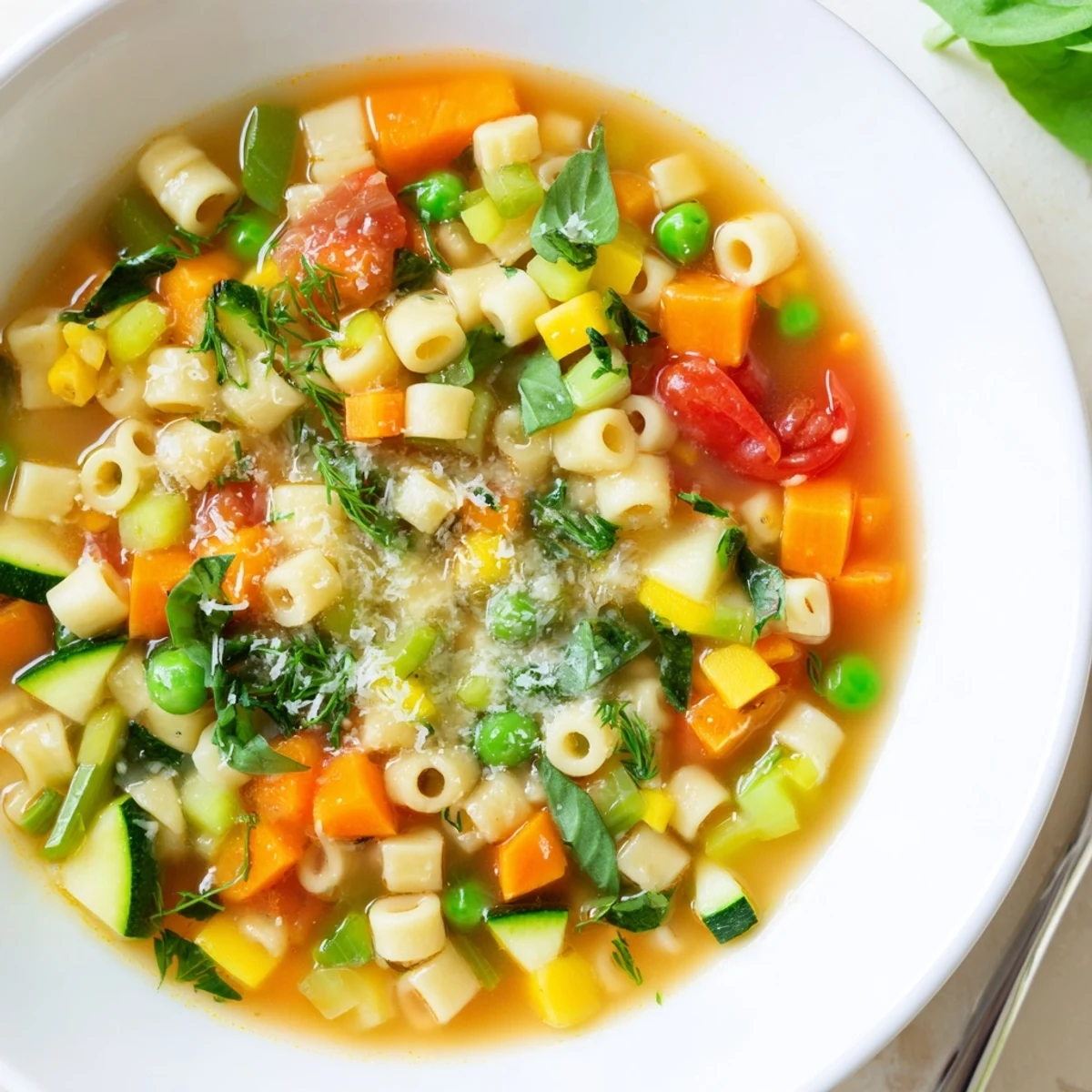
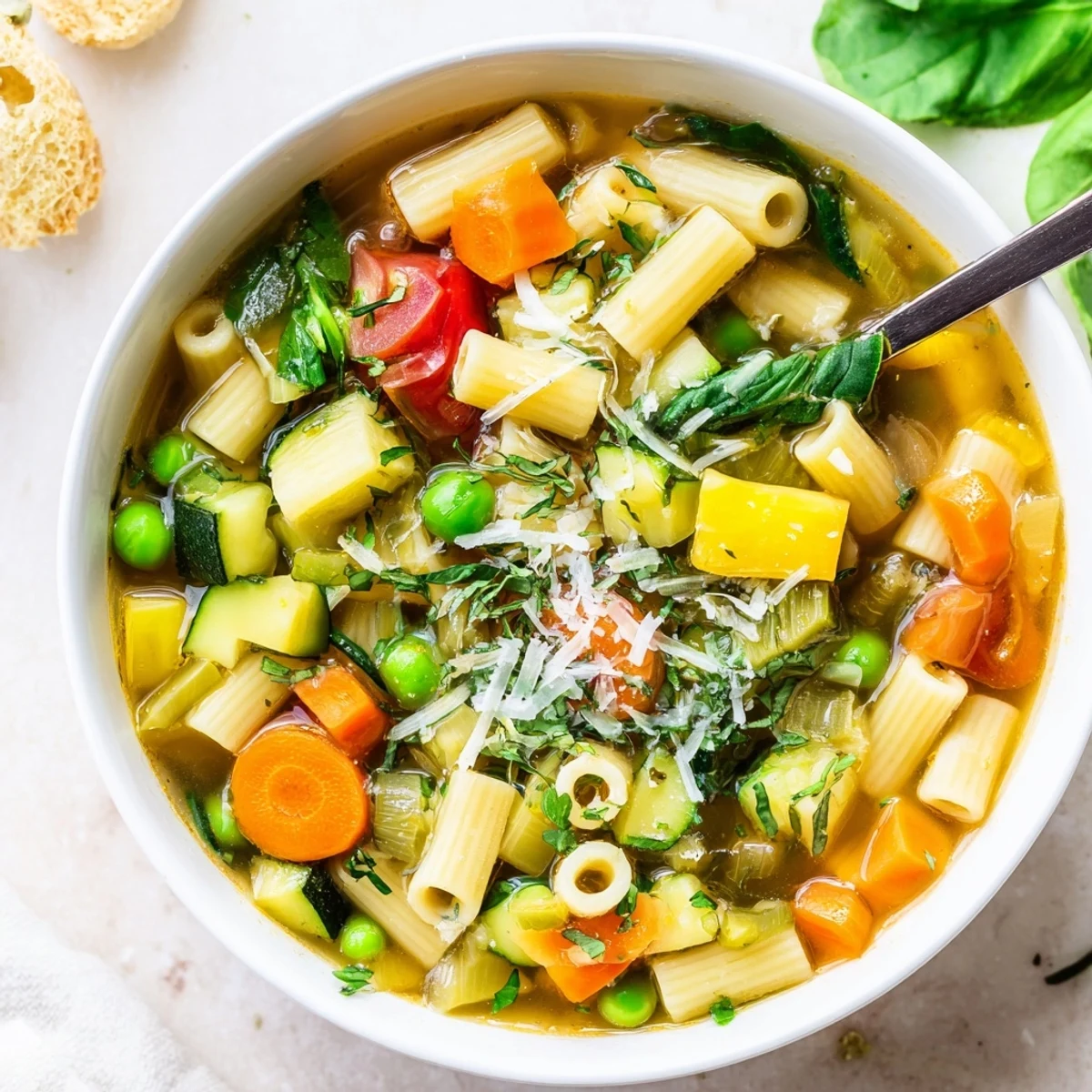
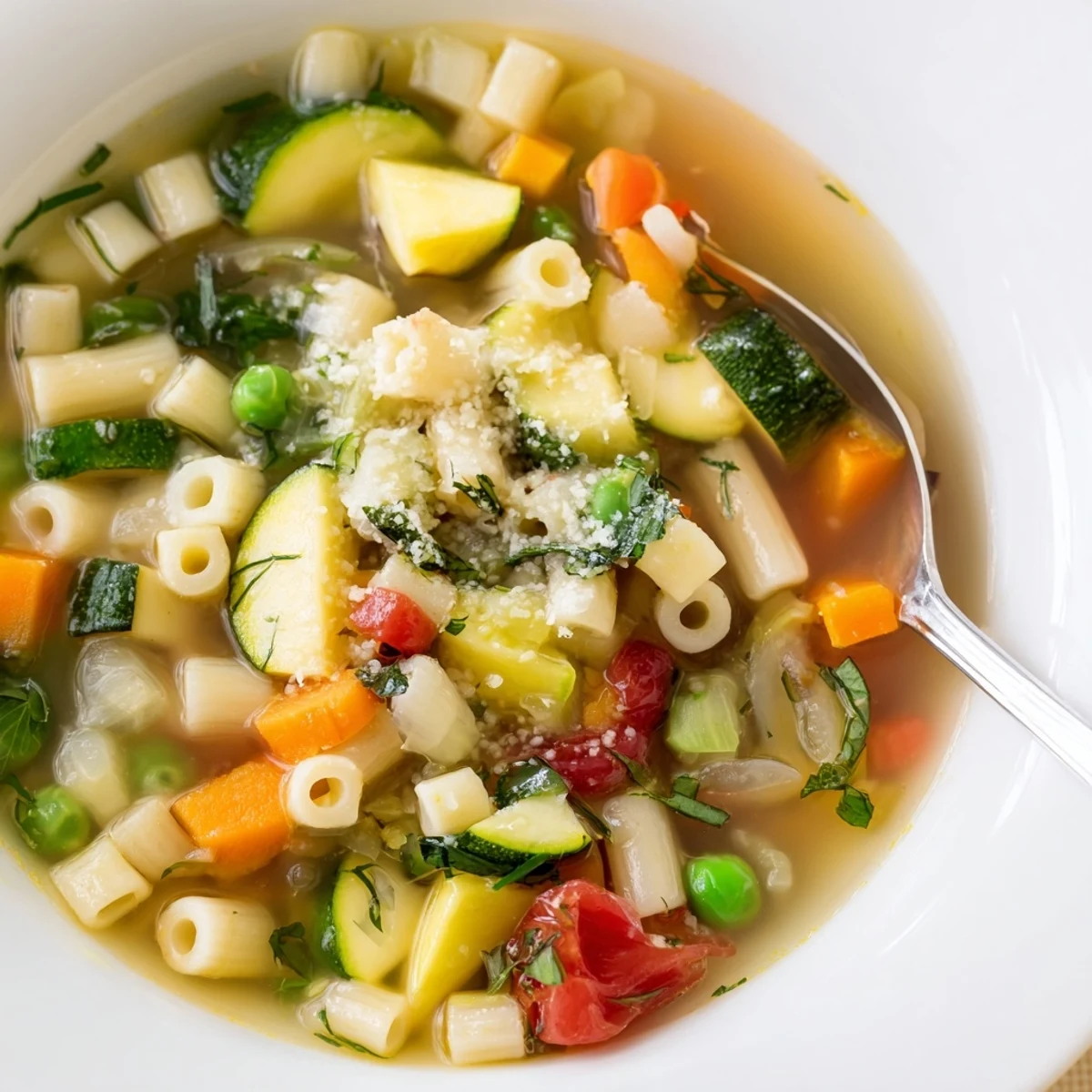
 This spring minestrone features ditalini or orzo, fresh peas, zucchini, green beans, cherry tomatoes and baby spinach in a light vegetable broth. Sauté onion, garlic, carrots and celery, add the remaining vegetables and broth, simmer with small pasta until al dente, then fold in herbs and spinach. Serves four in about 50 minutes. For heartier bowls add cannellini beans or omit cheese for dairy-free variations.
Some afternoons just call for a soup that lets you taste the season. One rainy April, my kitchen windows fogged up as I chopped a riot of spring vegetables, the kind that beg to be turned into something bright. The gentle green scent of basil mixed with the earthy aroma of simmering broth, making the whole place feel alive. Turns out, a bowl of spring minestrone is as revitalizing as throwing open the windows after a long winter.
I once made this minestrone for a friend who dropped by unexpected, and we laughed about how the soup came together in a rush, but tasted like it had been planned all along. The bright colors and quick pace turned the kitchen into a bit of a cheerful mess, which somehow made it taste even better.
Ingredients
- Olive oil: The base for the sauté, adds rich depth—using a fruity extra virgin can really elevate the whole pot.
- Yellow onion: A quick dice and a slow sweat start the soup with a gentle sweetness—don’t rush this step.
- Garlic: Minced fine, it perfumes the whole kitchen, just don’t let it brown.
- Carrots and celery: The classic backbone; dice them evenly so they cook at the same pace.
- Zucchini: Adds tender, summery green bites; if you have little ones, let them toss it in for fun.
- Peas and green beans: They give that tender, snap-fresh crunch—frozen peas are fine if you can’t find fresh.
- Baby spinach: Wilts down quickly and brings a lovely green swirl—stir in at the last minute.
- Cherry tomatoes: Their burst of sweetness rounds out the soup; halving them helps their flavor meld in more quickly.
- Vegetable broth: The canvas for all the flavors—taste before you add salt, as broths vary.
- Small pasta: Ditalini or orzo hold just the right amount of soup in every spoonful; cook until just al dente.
- Salt and black pepper: Go slow and taste as you season, especially if your broth is salty.
- Red pepper flakes: Optional, but they wake up the flavor if you love a mild kick.
- Fresh basil, parsley and dill: Stir in just before serving for a pop of herbal brightness—dill is extra, but its grassy lift is worth a try.
- Parmesan cheese: Freshly grated is miles better than pre-shredded; totally optional for vegans.
- Extra virgin olive oil: A drizzle before serving adds silky richness—don’t skip for maximum flavor.
Instructions
- Sauté the aromatics:
- Warm olive oil in a large soup pot over medium heat, then add onion and garlic. Stir everything together until it smells sweet and the onions turn glossy, about 3 minutes.
- Sweat the veggies:
- Tip in the diced carrots and celery, letting them sizzle and soften while you stir for 5 minutes. Listen for that gentle sizzle that lets you know flavor is building.
- Add spring stars:
- Stir in the zucchini, green beans, and cherry tomatoes, cooking just until their colors brighten—about 2 minutes is all they need.
- Bring to a simmer:
- Pour in the vegetable broth and turn up the heat to bring it to a gentle boil. It should look sunny and smell herbaceous by now.
- Pasta and peas time:
- Add the pasta and peas and let the pot simmer for 8-10 minutes, stirring occasionally. Taste a piece of pasta; when it's just right, you're set.
- Finish with greens and herbs:
- Just before serving, stir in spinach, basil, parsley, dill, salt, pepper, and red pepper flakes. Cook for 1-2 minutes until the spinach melts into the soup and everything smells like spring.
- Serve and savor:
- Ladle into bowls, top with a sprinkle of Parmesan and more fresh herbs, and finish with a swirl of extra virgin olive oil. Serve hot, preferably with someone who appreciates good bread.
 Pin It
 On one breezy Saturday, I served this soup outdoors where steam swirled up in the cool air and everyone paused between spoonfuls to swap garden stories. Somehow, the humble soup set the pace for unhurried conversation and half-finished glasses of wine.
Choosing Seasonal Veggies
I've learned the soup truly shines when you grab whatever is freshest—whether it's a handful of fava beans or the first slender asparagus of the year. Each batch ends up a bit different, and that's half the fun. Let the market or your fridge inspire the mix, and it always feels new.
Troubleshooting Tips for Perfect Texture
If your pasta expands more than expected, don't panic—the soup loves a little extra broth added at the end. The veggies should stay vibrant, so keep an eye out and taste as you go. It's a forgiving soup, but just a bit of care makes it special.
Tiny Upgrades That Make a Big Difference
One of my favorite tricks is rubbing a partly peeled garlic clove around the pot before starting, lending just a whisper more flavor. I sometimes slip a Parmesan rind into the simmer, retrieving it before serving for extra depth, or add a handful of chopped herbs right at the table so the aroma hits you first.
- Don’t skip the final drizzle of good olive oil—even a little makes every spoonful luxe.
- Pairing with a lemon wedge on the side brightens everything up instantly.
- If leftovers thicken overnight, just thin with a splash of broth before reheating.
 Pin It
 This is a pot of soup that never fails to gather people around, no matter the weather outside. I hope it brings a little color and comfort to your own table soon.
Recipe FAQs
- → Which pasta works best?
-
Small shapes like ditalini or orzo are ideal because they cook quickly and nestle among the vegetables. Use gluten-free shapes if needed and adjust cooking time according to package directions.
- → How do I keep the vegetables from overcooking?
-
Add sturdier vegetables (carrots, celery, green beans) first and simmer, then stir in tender items (zucchini, peas, spinach, cherry tomatoes) toward the end so they stay vibrant and retain texture.
- → Can I make it vegan or dairy-free?
-
Yes. Omit the Parmesan or substitute a plant-based alternative and finish with a drizzle of good olive oil and extra herbs for brightness. Check the pasta for egg if strictly vegan.
- → How should leftovers be stored and reheated?
-
Refrigerate in an airtight container for up to 3 days. Reheat gently on the stove with a splash of broth or water to restore consistency; add fresh spinach and herbs at the end to revive freshness.
- → Is freezing recommended?
-
Freeze without the pasta for best results: store the broth and vegetables up to 3 months, then thaw and add freshly cooked pasta when reheating to avoid a mushy texture.
- → How can I make it more filling?
-
Stir in canned cannellini or other beans for extra protein and creaminess, or serve with crusty bread. A finishing sprinkle of grated cheese or a spoonful of olive oil boosts flavor and richness.