
 Pin It
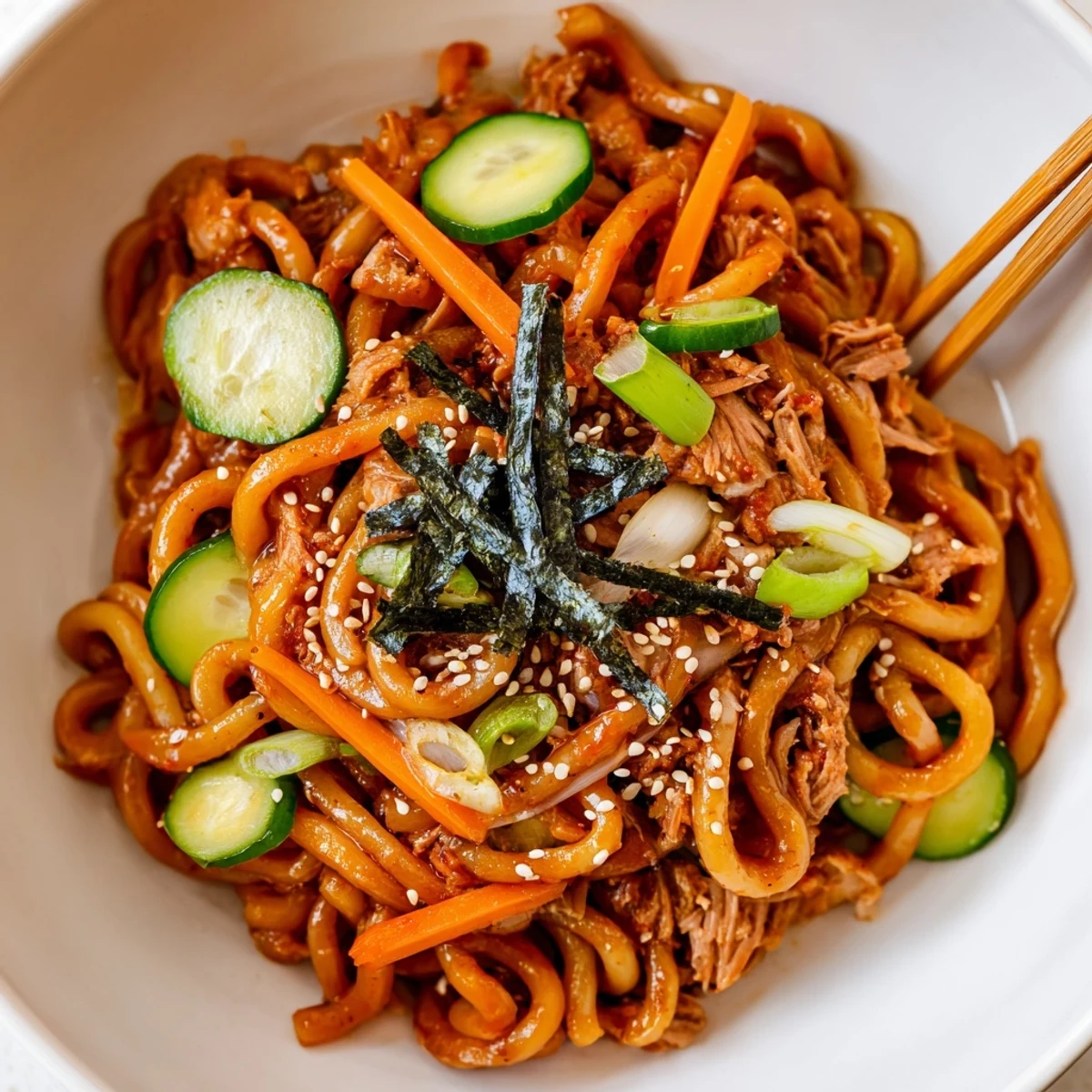
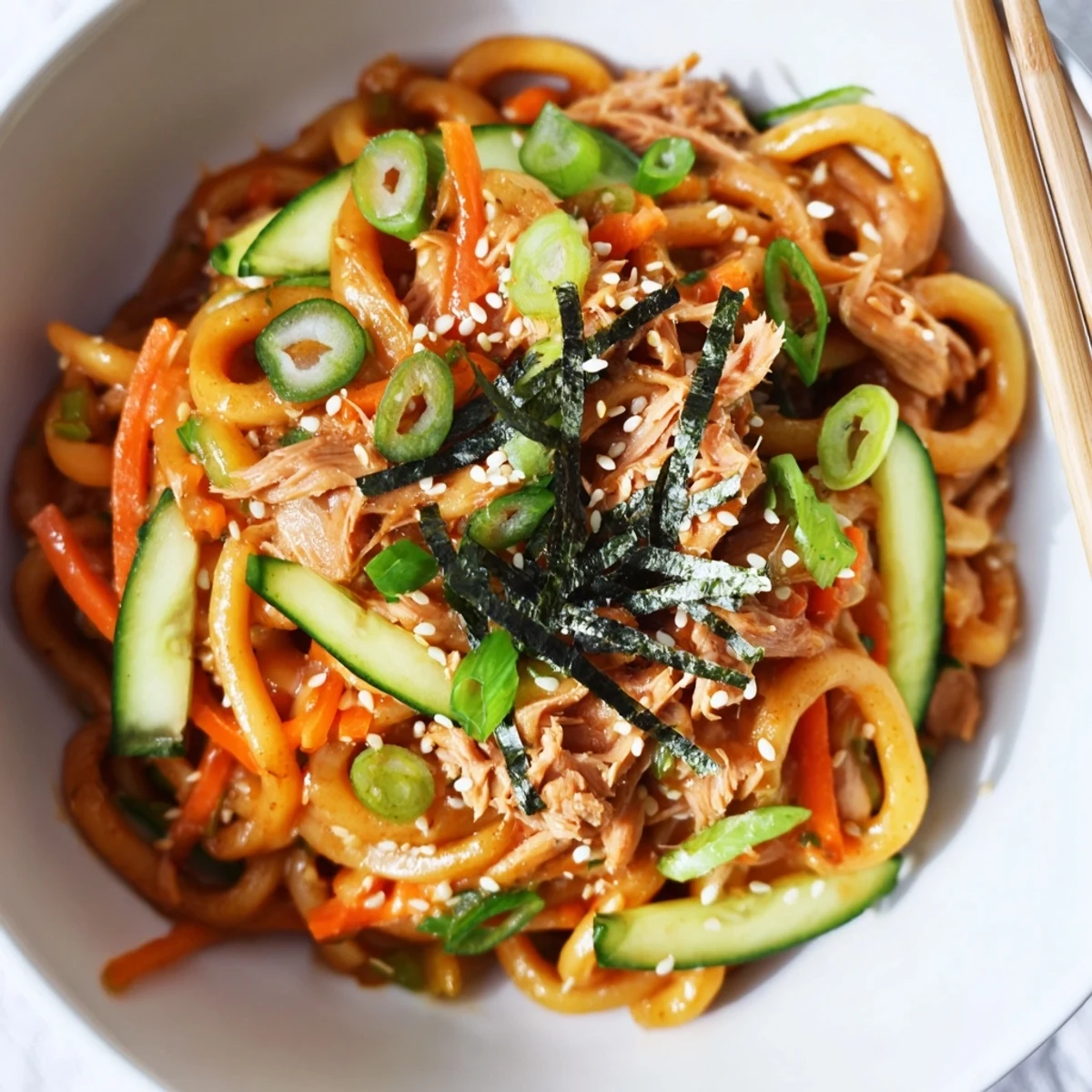
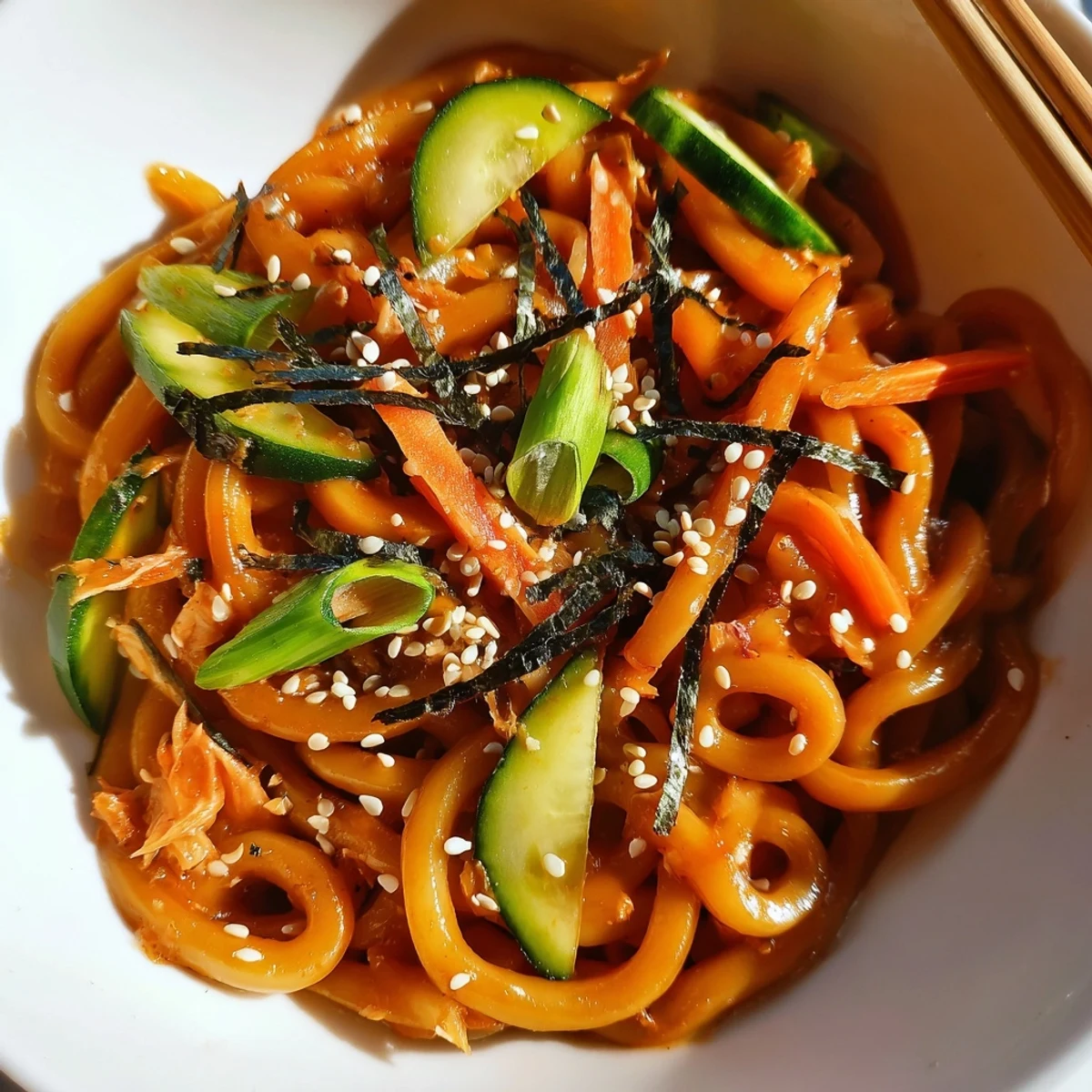
 This Japanese-inspired bowl combines thick, chewy udon noodles with a spicy tuna sauce that delivers just the right amount of heat. The creamy mayonnaise base balances the Sriracha kick, while fresh cucumber and julienned carrots add refreshing crunch. Finished with toasted sesame seeds and nori, this dish comes together in just 25 minutes and can be served chilled or at room temperature—perfect for warm days or when you need something satisfying yet light.
The exhaust fan above my stove was on its last legs the evening I threw together spicy tuna udon for the first time, which meant my tiny apartment filled almost instantly with the sharp, toasty perfume of sesame oil hitting cold noodles. I was tired, broke, and in no mood to cook anything ambitious, so I grabbed a can of tuna from the back of the pantry and hoped for the best. That slapdash bowl turned out so obnoxiously good that I made it again the next night, this time measuring things properly. It has been in steady rotation ever since, a reliable rescue on days when cooking feels like a chore but eating well still matters.
My roommate walked in while I was tossing the noodles with the tuna sauce and stood there with the refrigerator door wide open, staring at my bowl instead of reaching for anything inside it. I handed her a pair of chopsticks and she ate half of it standing at the counter, which is honestly the highest compliment any dish can receive in our kitchen.
Ingredients
- Udon noodles: Fresh or frozen udon have a chewy, slippery texture that frozen noodles simply cannot match, though dried works if that is what you have.
- Canned tuna in water: Drained well and flaked, it absorbs the sauce beautifully and keeps this dish effortlessly affordable.
- Carrot: Julienned thin so it bends into the noodles instead of sitting apart from them.
- Cucumber: Adds a cool, crisp contrast that tames the heat without watering anything down.
- Spring onions: Sliced on a sharp diagonal because it looks nicer and releases more of that mild onion sweetness.
- Pickled ginger: Optional but worth seeking out for the tangy little pops it scatters through each bite.
- Japanese Kewpie mayonnaise: Richer and more custardy than standard mayo, it forms the creamy backbone of the sauce.
- Sriracha: Start with one tablespoon and taste before adding more, since the heat builds as it sits.
- Soy sauce: Brings salt and umami depth that rounds out the sweetness and fat in the dressing.
- Sesame oil: Just a teaspoon is enough to perfume the entire bowl with its nutty, roasted warmth.
- Rice vinegar: A subtle brightness that keeps the sauce from feeling too heavy or one dimensional.
- Sugar: Half a teaspoon balances the acid and heat without making anything taste sweet.
- Toast sesame seeds: A handful sprinkled on top gives a gentle crunch and toasty finish.
- Nori: Torn into rough pieces, it adds a hit of oceanic savoriness that ties everything to its Japanese roots.
- Fresh chili slices: Entirely optional for anyone who wants to push the heat even further.
Instructions
- Cook and cool the noodles:
- Boil the udon according to the package directions, then drain and rinse them under cold running water until they are completely cool to the touch. This stops the cooking immediately and keeps them bouncy rather than gummy.
- Build the spicy tuna sauce:
- In a large mixing bowl, combine the drained tuna, mayonnaise, Sriracha, soy sauce, sesame oil, rice vinegar, and sugar, stirring until you have a thick, coral colored sauce that smells tangy and faintly sweet.
- Fold in the vegetables:
- Add the julienned carrot, sliced cucumber, spring onions, and pickled ginger to the bowl, mixing gently so the vegetables get lightly coated without turning everything into a mush.
- Toss with the noodles:
- Add the cooled udon to the bowl and toss thoroughly, lifting and turning the noodles with tongs or your fingers until every strand is slicked with sauce and nothing clumps together.
- Plate and garnish:
- Divide between two bowls and shower each portion with sesame seeds, torn nori pieces, and fresh chili slices if you are using them. Serve right away while the textures are at their best.
 Pin It
 I once packed this into a container for a park picnic and ended up sitting on a blanket with two strangers who asked what smelled so good, and we all shared the bowl with a single pair of chopsticks passed between us.
Making It Your Own
This recipe is a template as much as it is a set of instructions, and I encourage you to bend it toward whatever you have on hand. Swap the cucumber for shredded cabbage, use Greek yogurt in place of mayonnaise for a lighter sauce, or fold in leftover grilled chicken instead of tuna if that is what the refrigerator offers.
Pairings and Drink Ideas
A glass of dry sake or a cold, crisp white wine sits beautifully alongside the gentle heat and richness of this bowl. Even a fizzy, unsweetened sparkling water with a squeeze of lime does a fine job of refreshing your palate between bites.
Storage and Leftover Tips
This dish is best eaten the day it is made, but leftovers will keep in an airtight container in the refrigerator for up to one day. Beyond that, the vegetables lose their crunch and the noodles absorb too much sauce, so try to make only what you plan to eat promptly.
- Give leftover noodles a quick toss with a splash of soy sauce and a few drops of sesame oil to wake up the flavor before eating.
- Add a soft boiled egg on top if you want to stretch a leftover portion into something that feels freshly made.
- Always check canned tuna and condiment labels for hidden allergens if you are cooking for someone with dietary restrictions.
 Pin It
 Some nights the best cooking is the kind that asks almost nothing of you and still gives back something genuinely delicious. This bowl does exactly that, every single time.
Recipe FAQs
- → Can I use fresh tuna instead of canned?
-
Yes, fresh cooked tuna works beautifully. Simply grill, pan-sear, or poach about 120g of fresh tuna, then flake it before combining with the spicy sauce. Fresh tuna will have a firmer texture and more delicate flavor compared to canned.
- → How spicy is this dish?
-
The spice level is moderate with 1 tablespoon of Sriracha. You can easily adjust by using less Sriracha for mild heat, or add more, a teaspoon at a time, until you reach your desired intensity. Chili oil or fresh chili slices can also amplify the heat.
- → Can I make this ahead?
-
This dish actually tastes better after sitting for 30 minutes to an hour, as the flavors meld together. You can prepare it a few hours in advance and keep it refrigerated. The noodles will absorb some sauce, so you might want to reserve a little extra to refresh before serving.
- → What can I substitute for udon noodles?
-
Soba noodles, thick rice noodles, or even linguine work as substitutes. Udon's thickness and chew are ideal, but soba offers a nuttier flavor while rice noodles make the dish lighter. Adjust cooking times according to package instructions.
- → Is this served hot or cold?
-
Spicy Tuna Udon is traditionally served chilled or at room temperature, making it perfect for summer. Rinse the cooked noodles under cold water to cool them quickly. If you prefer it warm, simply skip the cold rinse and toss the hot noodles directly with the sauce.
- → Can I make this lighter?
-
Yes, substitute Greek yogurt or light mayonnaise for regular mayonnaise. You can also increase the vegetable ratio with more cucumber, carrot, or add shredded cabbage, bean sprouts, or edamame for extra nutrients and fiber.