
 Pin It
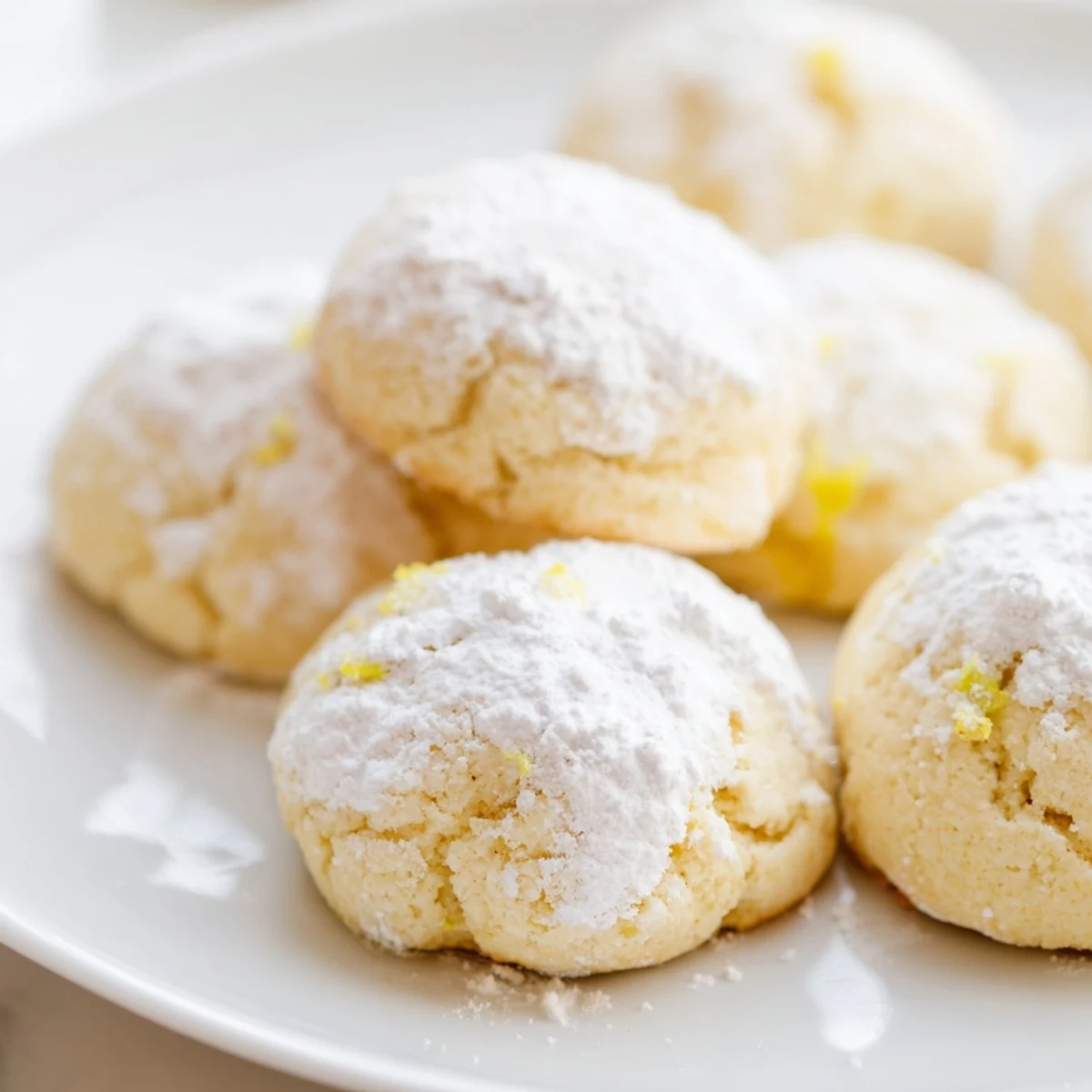
 These soft chewy lemon cookies combine buttery richness with bright citrus flavor from fresh lemon juice and zest. The dough comes together quickly and bakes in just 10 minutes, resulting in cookies with crisp edges and wonderfully soft centers. Roll them in powdered sugar before baking for a beautiful crackled finish. Perfect with tea or as a light dessert.
My kitchen still smells like sunshine three hours after pulling these lemon cookies from the oven, and honestly that alone makes them worth baking on repeat. I stumbled onto this recipe during a rainy Tuesday when the only citrus in my fruit bowl was a handful of lemons nobody wanted for tea. What started as a desperate pantry raid turned into the most requested treat in my household, and now friends text me asking when the next batch is coming.
I brought a plate of these to my neighbor Sarahs porch last summer and we ended up sitting outside until dark, our fingers dusted with powdered sugar, trading stories about our grandmothers kitchens.
Ingredients
- 115 g unsalted butter, softened: Pull it out an hour before baking because cold butter will fight you every step of the way and leave greasy puddles instead of a smooth dough.
- 200 g granulated sugar: This amount strikes the right balance between sweet and tangy so resist the urge to cut back.
- 1 large egg: Room temperature egg blends more evenly into the creamed butter and sugar mixture.
- 2 tablespoons freshly squeezed lemon juice: Bottled juice tastes flat and metallic next to the real thing so squeeze it fresh every time.
- 2 teaspoons lemon zest: This is where all the aromatic oils live so zest directly over your bowl to catch every fragrant bit.
- 1 teaspoon vanilla extract: A quiet background note that rounds out the citrus and makes the flavors feel complete.
- 250 g all-purpose flour: Spoon it into your measuring cup and level off with a knife because packed flour leads to dry dense cookies.
- 1/2 teaspoon baking soda: Just enough lift to keep them pillowy without puffing them into cakey domes.
- 1/4 teaspoon salt: Do not skip this because salt is the secret that makes lemon flavor actually taste like lemon.
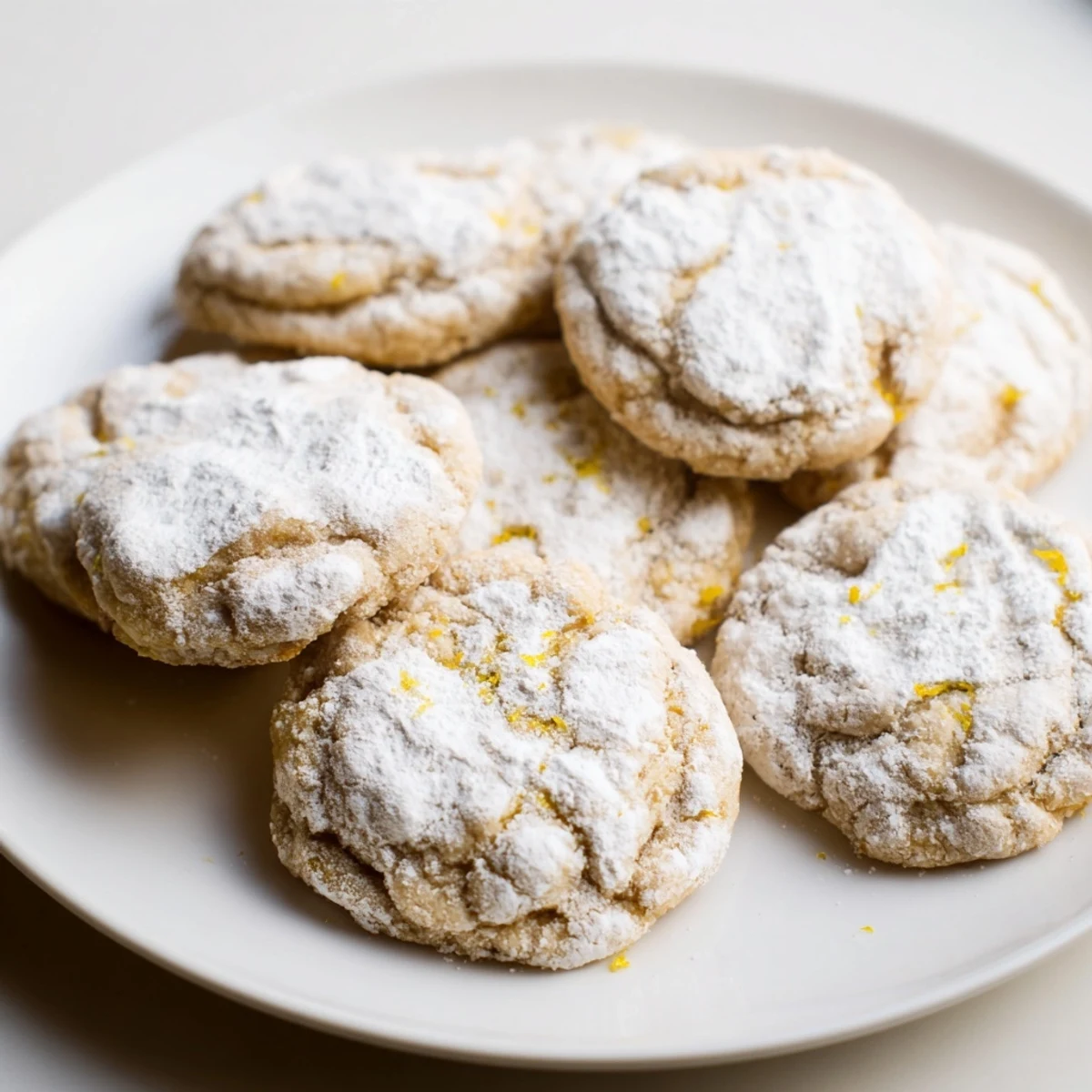
- 30 g powdered sugar for coating optional: A quick roll in powdered sugar gives them a crackly snow dusted look that makes people think you spent far more effort than you did.
Instructions
- Get your oven ready:
- Preheat to 180 degrees Celsius which is 350 Fahrenheit and line two baking sheets with parchment paper so nothing sticks and cleanup is effortless.
- Cream butter and sugar:
- Beat the softened butter and sugar together in a large bowl until the mixture turns pale and looks light and fluffy, which usually takes about two minutes with an electric mixer.
- Add the wet team:
- Drop in the egg, lemon juice, lemon zest, and vanilla then beat until everything is combined and the batter smells intensely citrusy.
- Whisk the dry ingredients:
- In a separate bowl, whisk the flour, baking soda, and salt together so the leavening and seasoning distribute evenly throughout the dough.
- Bring it all together:
- Gradually add the dry mixture into the wet ingredients, mixing just until the last streak of flour disappears because overmixing builds gluten and makes tough cookies.
- Shape and coat:
- Scoop heaping tablespoons of dough and roll each ball in powdered sugar if you want that delicate crackled finish when they bake.
- Space them out:
- Place the dough balls about 5 centimeters apart on the lined sheets because these spread and you do not want them merging into one giant cookie.
- Watch them closely in the oven:
- Bake for 9 to 11 minutes until the edges look just set but the centers still appear slightly underbaked and soft.
- Let them rest:
- Cool the cookies on the baking sheet for 5 minutes so they firm up gently before moving them to a wire rack to finish cooling completely.
 Pin It
 My daughter now measures out the lemon zest herself, standing on a stool with her tongue poking out in concentration, and that small ritual has become my favorite part of the entire process.
How to Store Them So They Stay Soft
Keep the cooled cookies in an airtight container at room temperature and they will stay perfectly chewy for up to four days, though in my experience they never last that long.
When Life Gives You Extra Lemons
A few drops of lemon extract added alongside the juice will push the citrus intensity into bold territory, which I discovered accidentally when my hand slipped while pouring and the result was unexpectedly wonderful.
What to Serve Alongside
These cookies were practically designed for a pot of Earl Grey tea on a slow afternoon, but they also disappear quickly next to a cold glass of milk or a cup of chamomile before bed.
- Try crumbling one over vanilla bean ice cream for a lazy but impressive dessert.
- A thin smear of lemon curd between two cookies turns them into an accidental sandwich cookie that will ruin you for plain ones.
- Always taste your batter before baking because lemons vary wildly in acidity and you want to adjust before committing to the oven.
 Pin It
 Some recipes become staples because they are easy, and others earn their spot because they make people close their eyes when they take the first bite. These lemon cookies manage to do both.
Recipe FAQs
- → Why are my lemon cookies hard instead of soft?
-
Overbaking is the most common cause. Remove them from the oven when edges are just set and centers look slightly underbaked. They continue cooking on the hot baking sheet.
- → Can I use bottled lemon juice instead of fresh?
-
Fresh lemon juice provides the best flavor, but bottled juice works in a pinch. However, fresh lemon zest is essential for that bright citrus aroma.
- → How do I store these cookies to keep them soft?
-
Store in an airtight container at room temperature for up to 4 days. Place a slice of white bread in the container to maintain moisture and softness.
- → Can I freeze the cookie dough?
-
Yes, scoop dough into balls and freeze on a baking sheet, then transfer to a freezer bag. Bake from frozen, adding 1-2 minutes to baking time.
- → What makes cookies chewy versus crispy?
-
Higher sugar content and slightly underbaking create chewiness. The granulated sugar helps retain moisture, while the short baking time preserves soft centers.