
 Pin It
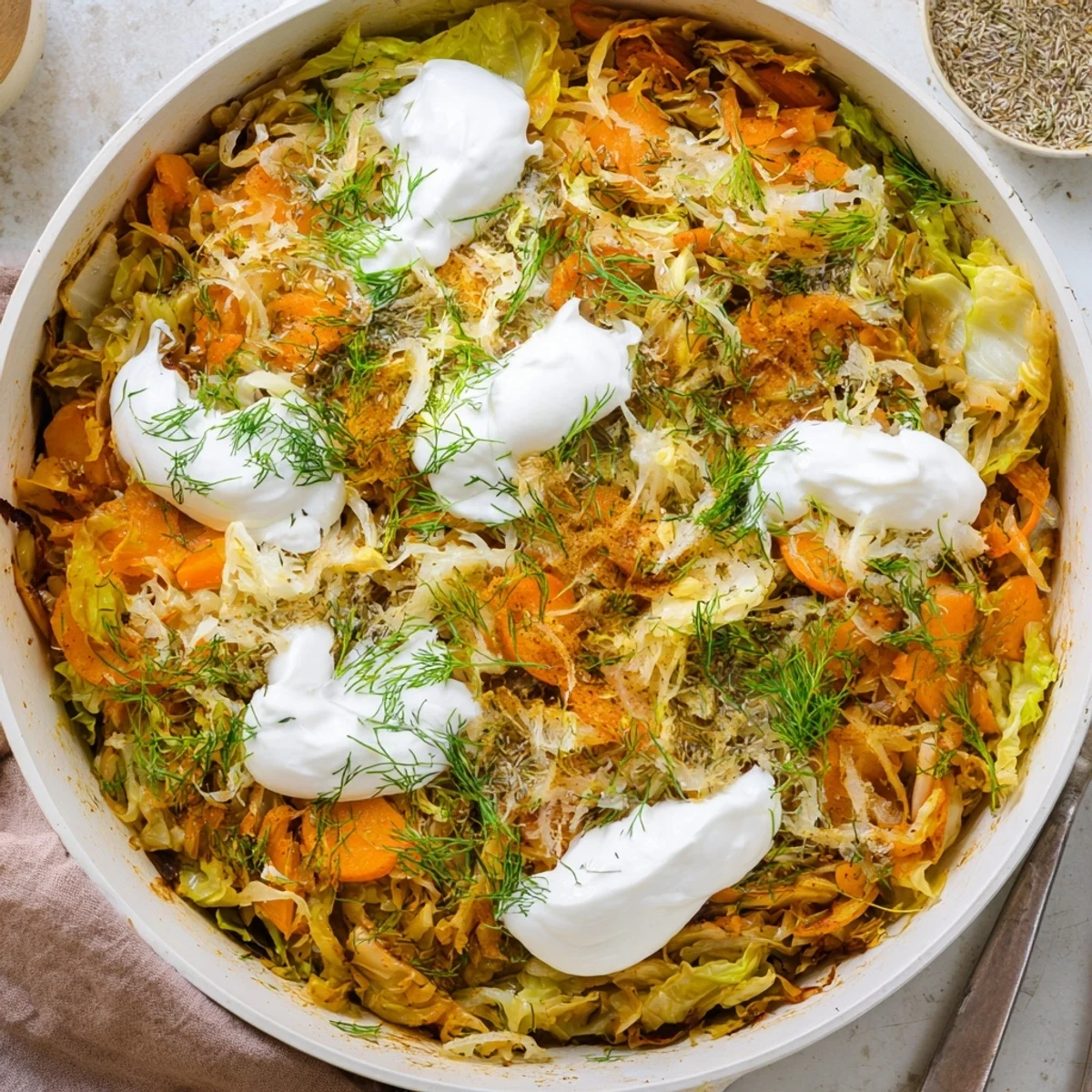
 This hearty German-inspired dish combines layers of slowly roasted cabbage and tangy sauerkraut, creating a deeply flavorful and comforting casserole. The cabbage becomes meltingly tender after two hours in the oven, while the sauerkraut adds a wonderful tangy contrast that balances the natural sweetness of the vegetables.
Aromatic caraway seeds and smoked paprika provide classic Eastern European flavors, while the grated apple in the sauerkraut layer adds subtle sweetness. The optional sour cream and cheese topping creates a rich, creamy finish, though it's equally delicious without for a fully plant-based version.
Perfect alongside crusty bread or boiled potatoes, this substantial dish serves six and offers excellent leftovers—the flavors actually deepen and improve overnight. The low-and-slow cooking method transforms simple ingredients into something truly special.
The smell of cabbage roasting low and slow is one of those things that fills a house with a kind of warmth you cannot fake, and on a cold January evening with snow piling against the windowsill, I decided to let a head of cabbage and a jar of sauerkraut turn my kitchen into something that felt like my grandmothers house.
I served this to my neighbor Dave, a man who once told me he hated cabbage, and he went back for seconds without saying a word, which in Dave language is the highest compliment a dish can receive.
Ingredients
- 1 medium green cabbage (about 2 lb), cored and sliced into thin strips: The star of the dish, and slicing it thin ensures it melts into tenderness during the long roast.
- 2 medium onions, thinly sliced: They sweeten and collapse into the cabbage, creating a natural sweetness you cannot get from sugar.
- 2 cloves garlic, minced: Just enough to give a savory backbone without overpowering the fermentation notes.
- 2 large carrots, grated: They add subtle sweetness and a flash of color that keeps the dish from looking entirely beige.
- 3 cups sauerkraut, drained and lightly rinsed: Rinsing tames the sharpness just enough so it complements rather than dominates every bite.
- 1 apple, peeled and grated: This is the secret player that bridges the tang of the kraut and the sweetness of the roasted vegetables.
- 1 cup vegetable broth: Keeps everything moist during the long covered roast.
- 1/4 cup dry white wine (optional): Adds a fruity acidity that elevates the whole casserole.
- 2 tbsp olive oil: For sauteing and greasing the dish.
- 1 tsp caraway seeds: The defining spice of Eastern European cabbage dishes, do not skip this.
- 1 tsp smoked paprika: Adds a gentle smokiness that makes the dish taste like it was cooked over a fire.
- 1/2 tsp ground black pepper and 1/2 tsp salt: Adjust to taste, keeping in mind the sauerkraut already contributes salt.
- 2 tbsp fresh dill, chopped: Stirred into the sauerkraut layer and scattered on top at the end for a bright herbal finish.
- 1/2 cup sour cream or dairy free alternative (optional topping): A cool creamy crown that offsets the deep roasted flavors.
- 1/4 cup grated cheese or vegan cheese (optional topping): Melts into golden patches on top during the final minutes.
Instructions
- Get the oven warm:
- Preheat to 325 degrees F and grease a large casserole dish with a drizzle of olive oil so nothing sticks later.
- Wake up the onions:
- In a large skillet over medium heat, add the olive oil and sauté the sliced onions until they turn translucent and fragrant, about 5 minutes, then stir in the garlic for one more minute until your kitchen smells irresistible.
- Build the cabbage base:
- Add the shredded cabbage to the skillet and cook it down, stirring every now and then, until it softens and shrinks, then fold in the grated carrots along with the salt, pepper, caraway seeds, and smoked paprika so every strand gets coated.
- Prepare the sauerkraut layer:
- In a separate bowl, toss the drained sauerkraut with the grated apple and chopped dill until evenly combined, and taste a bite to check the balance of tang and sweetness.
- Layer everything with care:
- Spoon half the cabbage mixture into the bottom of your prepared dish, spread half the sauerkraut mixture over it, then repeat with the remaining layers so you get two distinct strata of flavor running through the finished casserole.
- Pour in the liquids:
- Slowly pour the vegetable broth and white wine if using evenly across the top, letting it seep down through the layers rather than pooling in one spot.
- The slow roast:
- Cover the dish tightly with foil or a lid and slide it into the oven for one full hour, letting the low heat coax everything into tender submission without drying out.
- Brown the top:
- Remove the foil, turn the oven up to 375 degrees F, and bake uncovered for another 30 to 45 minutes until the top turns golden and most of the liquid has cooked away, filling your kitchen with a deeply savory aroma.
- Add the creamy finish if you like:
- If using sour cream or cheese, spread it over the top during the last 10 minutes and let it melt into a bubbly, golden crown before pulling the dish from the oven.
- Rest and garnish:
- Let the casserole sit for 10 minutes so the layers settle and the juices redistribute, then scatter fresh dill over the top and serve it while steam still rises.
 Pin It
 The night I made this for a small dinner party, conversation stopped entirely when the casserole came out of the oven, and for ten minutes the only sound was forks scraping against ceramic plates and someone murmuring that they needed this recipe.
Making It Heartier
While this casserole stands beautifully on its own as a vegetarian main, I have taken to tucking sautéed mushrooms or a layer of cooked brown lentils between the cabbage and sauerkraut when I want something that sticks to the ribs a bit more. The mushrooms soak up the caraway and paprika in a way that makes the whole dish feel richer without changing its essential character.
What To Serve Alongside
Crusty bread is the obvious companion, perfect for soaking up the concentrated juices at the bottom of the dish, but a pile of buttery boiled potatoes works just as well if you want something more substantial. A glass of dry Riesling or a light red wine alongside turns a simple weeknight dinner into something that feels thoughtfully composed.
Adapting For Different Diets
This recipe is already gluten free and vegetarian, and skipping the sour cream and cheese makes it fully vegan without sacrificing any of its depth or satisfaction.
- Check that your sauerkraut and vegetable broth are certified gluten free, as some brands sneak in wheat based additives.
- Dairy free sour cream alternatives have improved dramatically and work beautifully as a topping here.
- Always double check labels on packaged ingredients if allergens are a concern for anyone at your table.
 Pin It
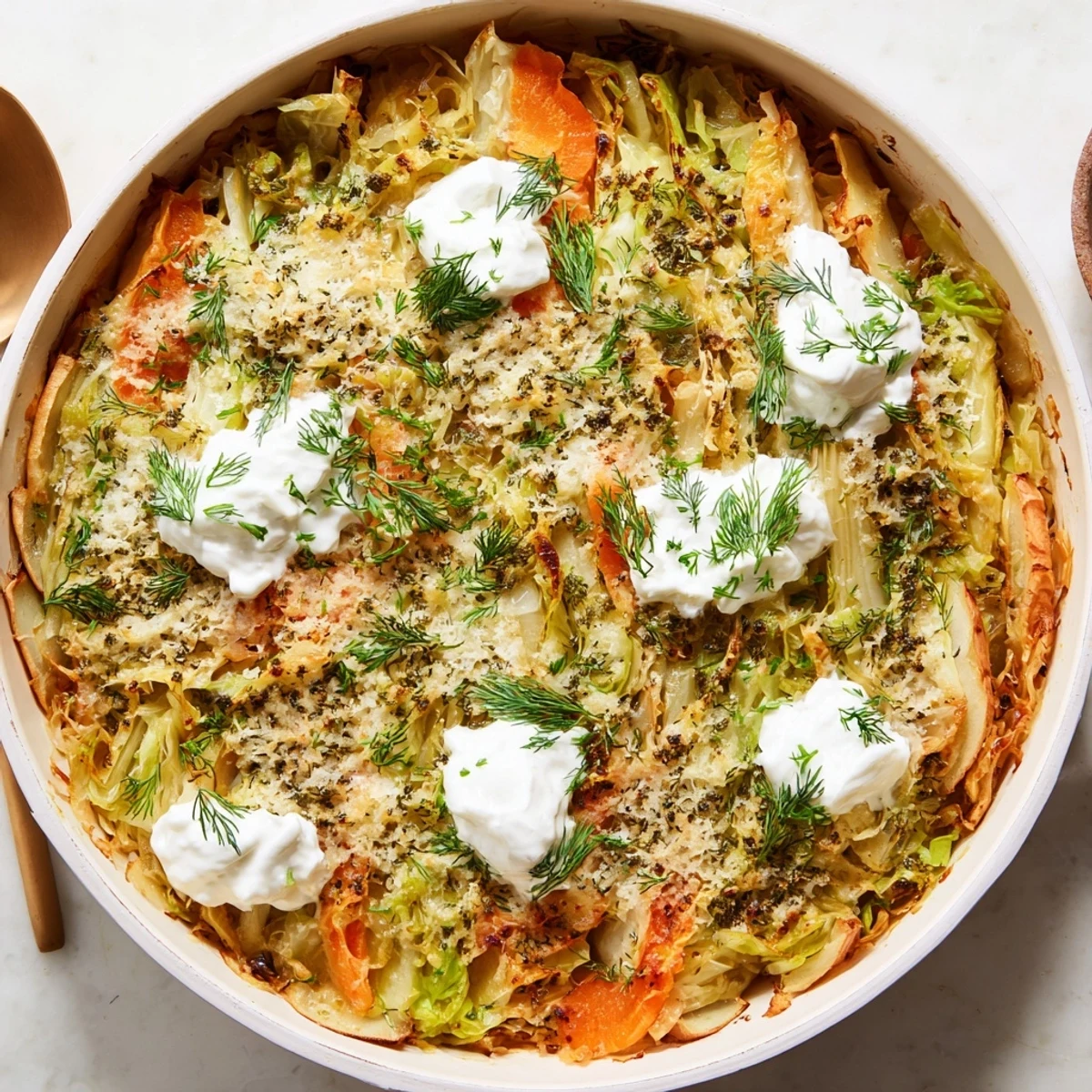
 Some dishes feed the body and some feed the soul, and this humble cabbage casserole somehow manages to do both with nothing more than patience and a few honest ingredients.
Recipe FAQs
- → What does slow roasting do to the cabbage?
-
Slow roasting transforms the cabbage from crisp and raw to meltingly tender and sweet. The long cooking time at low temperature allows the natural sugars to caramelize slowly, creating deep, mellow flavors that you can't achieve with quicker cooking methods.
- → Can I make this ahead of time?
-
Absolutely. This dish actually benefits from being made a day ahead—the flavors have time to meld and develop. Store it in the refrigerator and reheat covered at 350°F until warmed through. You can also freeze it for up to 3 months.
- → Is sauerkraut necessary or can I substitute it?
-
Sauerkraut provides essential tangy flavor and texture that balances the sweet cabbage. If needed, you can substitute with shredded fresh cabbage that's been massaged with salt and lemon juice, though the flavor profile will be different.
- → Why add apple to the sauerkraut layer?
-
The grated apple adds subtle sweetness that complements the tangy sauerkraut and balances the savory spices. It's a traditional German technique that rounds out the flavor profile beautifully without making the dish taste fruity.
- → How do I know when it's done?
-
The dish is ready when the cabbage is completely tender and most of the liquid has evaporated or been absorbed. The top should be lightly browned and you should see some caramelized edges. If there's still too much liquid, bake uncovered a bit longer.
- → Can I add protein to make it more substantial?
-
Yes. Sautéed mushrooms, cooked lentils, or white beans can be layered between the cabbage and sauerkraut. For non-vegetarians, crumbled cooked sausage or bacon would work well, though it's quite satisfying as-is.