
 Pin It
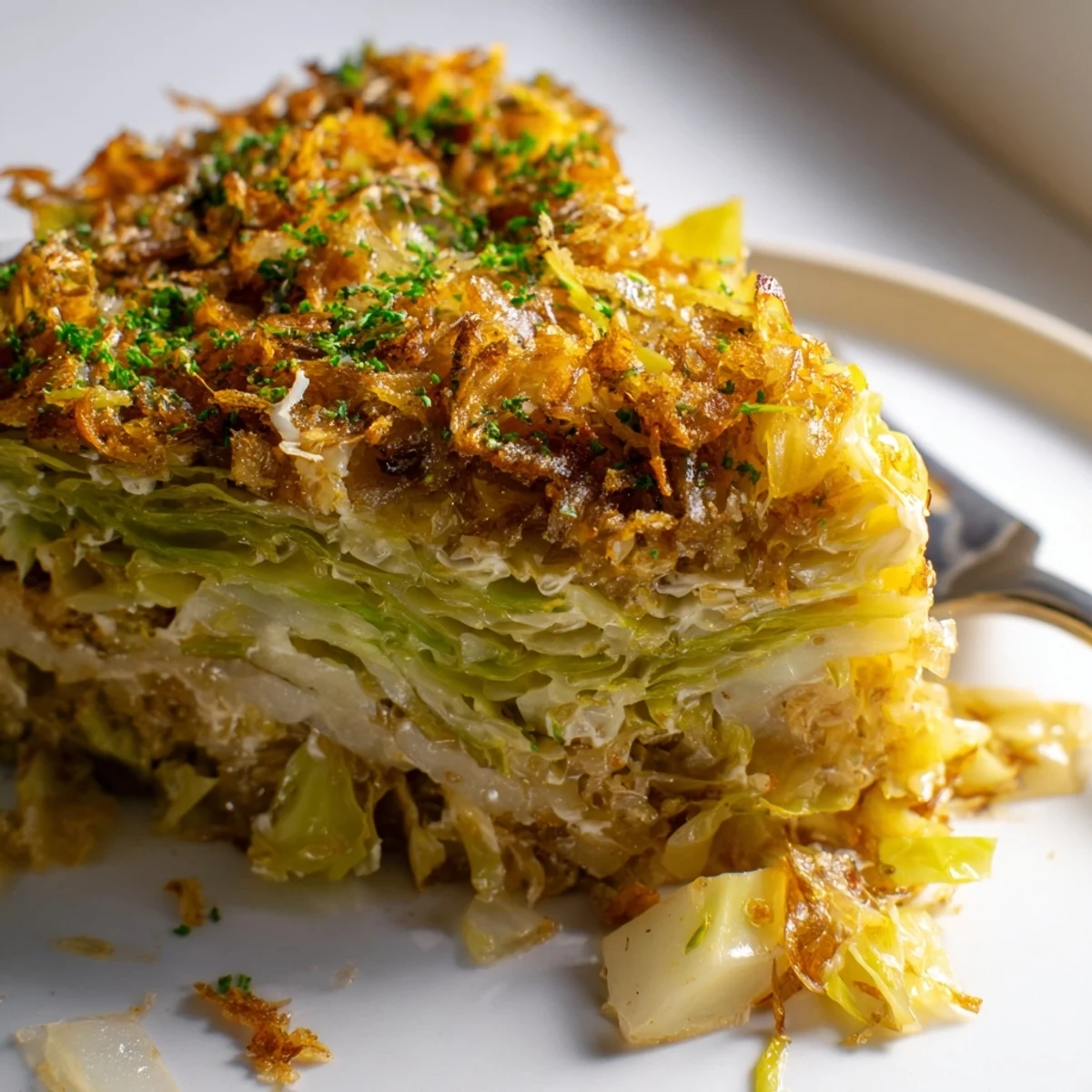
 Slow-roasted cabbage is layered with drained sauerkraut, sautéed onion, garlic and grated carrots, then bound with sour cream, eggs and vegetable broth. Covered and roasted low and slow until tender (about 1½–2 hours), it’s finished with buttered breadcrumbs baked until golden. Let rest 10 minutes and garnish with parsley; serve warm with rye or mustard.
The smell of cabbage roasting low and slow is one of those quiet kitchen surprises that sneaks up on you and fills the whole house with warmth. My neighbor actually knocked on my door the first time I made this casserole, asking what was making her kitchen smell so good through the shared wall. It has since become my cold weather go to, the dish I make when I want something honest and filling without much fuss.
I served this at a small dinner gathering last winter when the heat went out and we all ate bundled in blankets around the table. Nobody minded the chill because the casserole was steaming and golden, and we ended up going back for thirds. There is something about sharing rustic food in uncomfortable circumstances that makes it memorable.
Ingredients
- 1 medium green cabbage (about 2 lbs), cored and thickly sliced: The star of the dish, and thick slices hold up better during the long roast.
- 2 cups sauerkraut, drained and rinsed: Rinsing tames the sharpness just enough so it blends rather than dominates.
- 1 large onion, thinly sliced: Adds a sweet backbone as it softens into the layers.
- 3 garlic cloves, minced: Fresh garlic makes a noticeable difference here over the jarred kind.
- 2 medium carrots, grated: They melt into the filling and add subtle sweetness and color.
- 1 cup sour cream: This binds everything into a creamy, comforting sauce as it bakes.
- 2 large eggs: Helps set the casserole so it slices neatly instead of falling apart.
- 3 tbsp olive oil: Used for sautéing and greasing the dish.
- 1 cup vegetable broth: Keeps everything moist through the long cooking time.
- 1 tsp caraway seeds (optional): Highly recommended, they give that unmistakable Eastern European character.
- Salt and freshly ground black pepper: Season generously at each layer for the best flavor.
- 1 cup breadcrumbs: Use gluten free if needed, they create the irresistible golden crust.
- 2 tbsp melted butter: Mixed with the breadcrumbs for a rich, crunchy topping.
Instructions
- Get the oven ready:
- Preheat to 325 degrees F and grease a large casserole dish with one tablespoon of olive oil so nothing sticks later.
- Build the flavor base:
- Heat the remaining olive oil in a large skillet over medium heat, cook the onion until soft and translucent, then stir in the garlic and grated carrots for two more minutes until fragrant.
- Layer it all up:
- Place half the cabbage in the dish, top with half the sauerkraut and half the sautéed vegetables, season well, then repeat the layers one more time.
- Pour the creamy mixture:
- Whisk the sour cream, eggs, and broth together until smooth, then pour it evenly across the entire casserole so it seeps into every crevice.
- The slow roast:
- Cover tightly with foil and slide it into the oven for one hour and thirty minutes, letting everything soften and meld together patiently.
- Make the topping:
- While you wait, stir the breadcrumbs and melted butter together in a small bowl until the crumbs are evenly coated and smell like toasted goodness.
- Finish with a golden crust:
- Remove the foil, scatter the buttered breadcrumbs over the top, and bake uncovered for another thirty minutes until bubbling and deeply golden.
- Rest and serve:
- Let the casserole stand for ten minutes before cutting so it holds its shape, and garnish with fresh parsley if you have some handy.
 Pin It
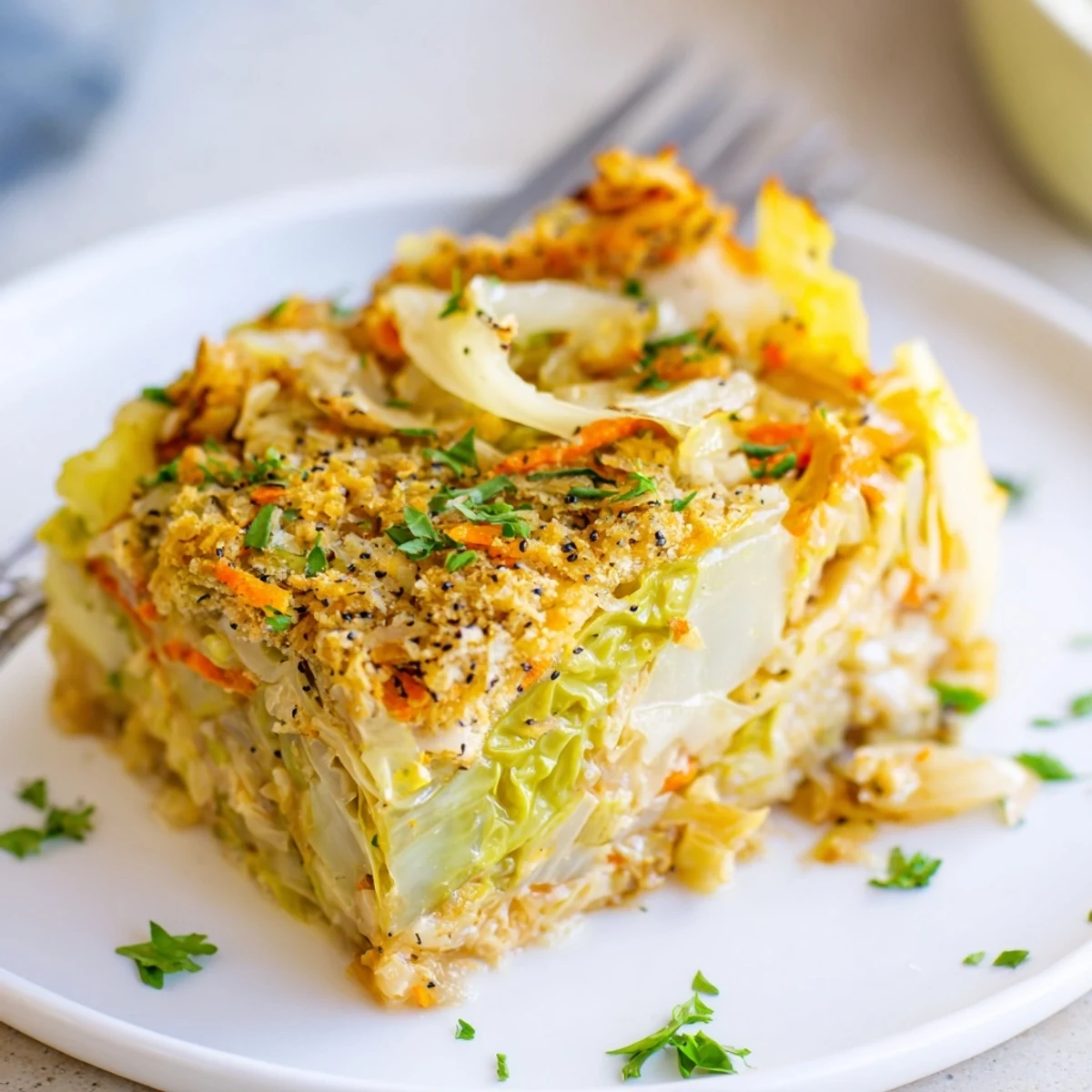
 The moment I lifted the foil and saw steam rising from those tender layered vegetables, I knew this was a keeper recipe.
What to Serve Alongside
A thick slice of dark rye bread and a smear of grainy German mustard turn this into a complete meal that feels like it came from a small village kitchen.
Making It Your Own
Diced smoked sausage or crispy bacon bits folded into the layers transforms this into a hearty omnivore dinner that even the cabbage skeptics in my family devour without complaint.
Storage and Leftovers
This casserole keeps well covered in the refrigerator for up to four days, and the flavors deepen overnight in a way that makes lunch the next day something to look forward to.
- Reheat individual portions in the oven at 350 degrees F to bring back the crisp topping.
- The casserole also freezes well for up to two months if wrapped tightly.
- Always let it cool completely before covering and refrigerating to avoid condensation making the crust soggy.
 Pin It
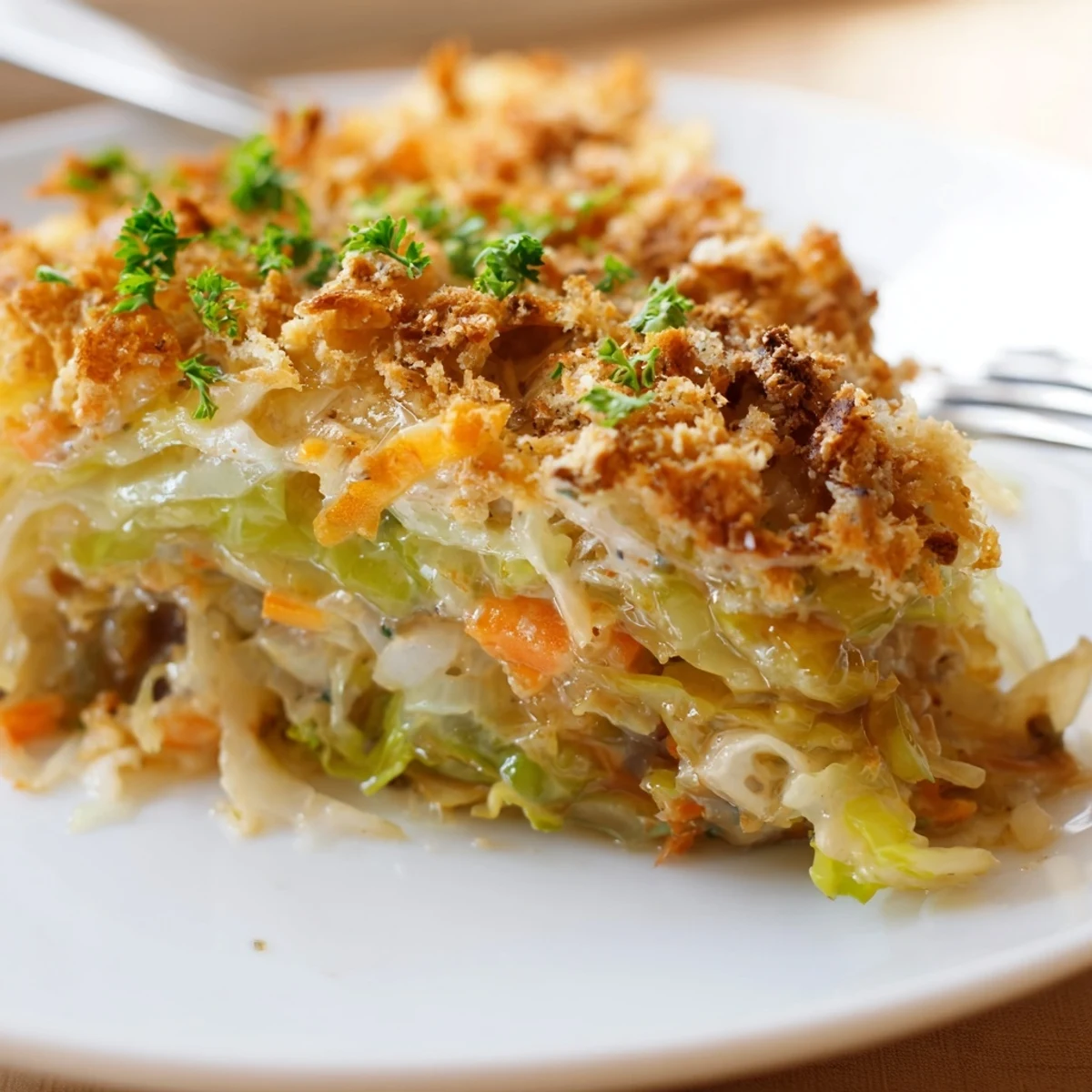
 Some dishes are just food, but this one feels like a conversation between humble ingredients that turns into something greater than the sum of its parts.
Recipe FAQs
- → How do I tell when the cabbage is done roasting?
-
The cabbage should be fork-tender and the layers should collapse slightly. After the covered roast, probe the thickest slices: they should yield easily and the filling will be soft and steaming.
- → Can I make this gluten-free?
-
Yes. Use gluten-free breadcrumbs or substitute toasted chopped nuts or gluten-free crackers for the topping. Verify packaged sauerkraut and broth are certified gluten-free.
- → What keeps the breadcrumb topping from getting soggy?
-
Mix the crumbs with melted butter and add them only after the casserole has roasted covered. Return uncovered for the final 25–30 minutes so the crumbs brown and crisp without absorbing excess moisture.
- → How can I make a vegan version?
-
Swap plant-based sour cream and omit or replace eggs with a flaxseed or silken tofu binder. Ensure any butter for the topping is replaced with a vegan alternative or oil for browning.
- → Any tips for boosting savory flavor?
-
Toast caraway seeds briefly before adding for a nuttier aroma, brown the onions well for deeper flavor, and use a good vegetable broth. A small splash of apple cider vinegar can brighten the sauerkraut layers if desired.
- → How should leftovers be stored and reheated?
-
Cool to room temperature, cover tightly and refrigerate up to 3–4 days. Reheat in a 350°F oven until warmed through to help refresh the breadcrumb crust; microwave will work for single servings but softens the topping.