
 Pin It
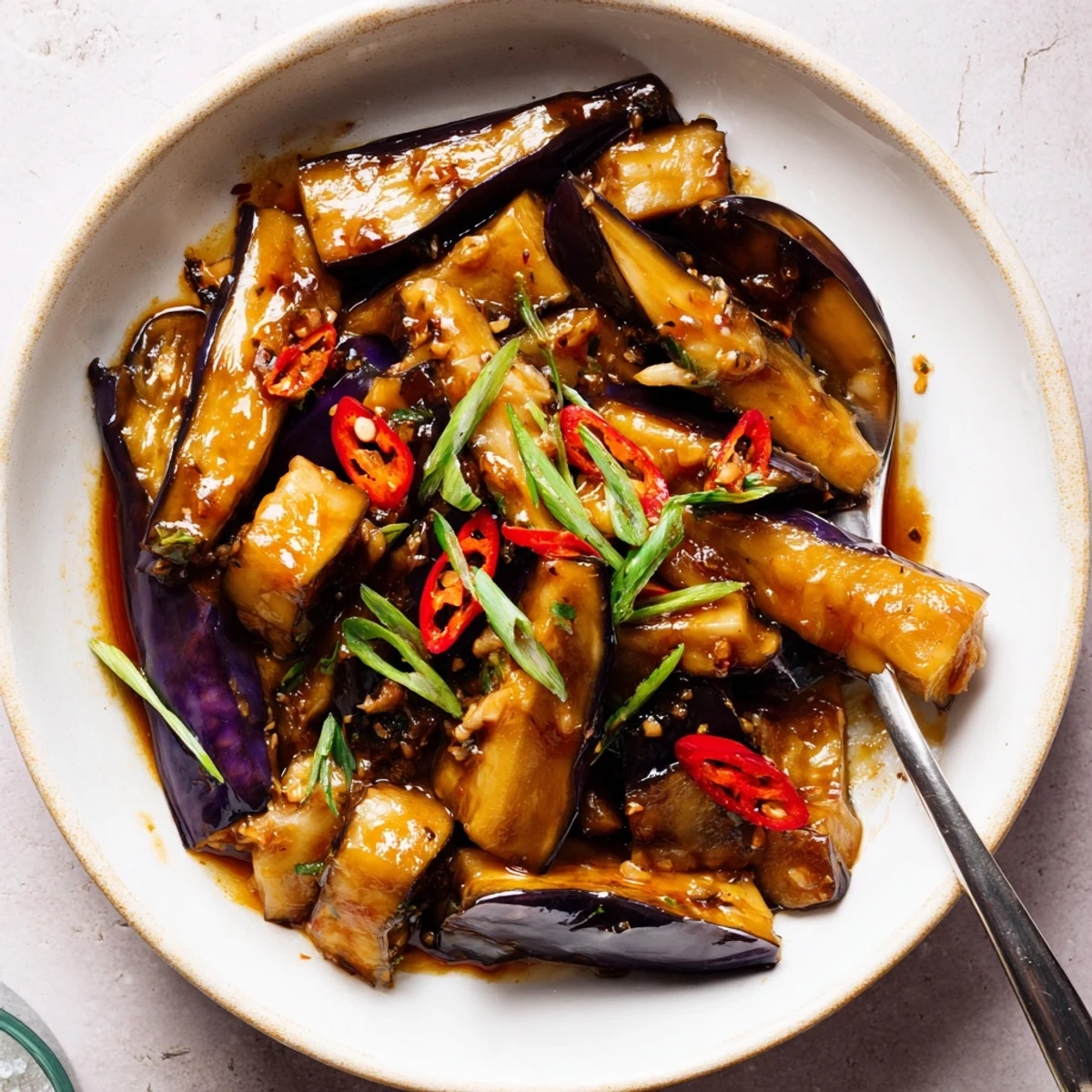
 Salt the aubergine to draw out moisture, then pan-fry until golden to avoid sogginess. Stir-fry aromatics (ginger, garlic, chili) in a little oil, bloom the doubanjiang to release its aroma, then add soy, vinegar and stock. Simmer with the aubergine until very tender, thicken with a cornstarch slurry and finish with sesame oil and spring onions. Serve hot with steamed rice or noodles; add Sichuan peppercorns or toasted peanuts for extra kick and texture.
One afternoon, the scent of sizzling garlic and ginger mixed with something fiery pulled me into the kitchen before I even knew what I craved. It turned out my quest for dinner would become a minor Sichuan adventure, using up some aubergines nearly forgotten in the crisper. The rhythm of chopping and the popping of oil had me grinning—there’s something deeply satisfying about turning simple vegetables into a flavor-packed feast. Besides, I’ll grab any excuse to make food that stains my wooden spoon bright red.
The first time I served this, my friend Mei arrived just as the doubanjiang hit the pan, and the kitchen practically vibrated with its fragrance. She swiped a taste from the wok and promptly demanded the recipe, pausing only to insist we double the rice next time.
Ingredients
- Aubergines (eggplants): Choosing firm, glossy-skinned aubergines yields meatier, less bitter bites that caramelize beautifully in the pan.
- Spring onions: These add an oniony freshness at the end, and I sometimes toss the green tops in whole for a bit more color.
- Garlic: Freshly minced garlic infuses every bit of oil and ensures the dish’s aroma really draws a crowd (or at least the house cat).
- Ginger: Use a heavy hand with the ginger—it wakes the flavor right up and brings subtle heat.
- Red chili (optional): Add as much or as little as you dare; I like to leave the seeds in for lively heat.
- Doubanjiang: This chili bean paste is the heart of Sichuan cooking—bold, savory, spicy—and I learned to toast it in oil to get those rich, red streaks.
- Soy sauce & dark soy sauce: Their salty depth balances all the warmth; I use a splash more dark soy for glossy color.
- Rice vinegar: Cuts through the richness and keeps the flavors bright.
- Sugar: A pinch rounds out the spicy-salty notes without making the dish actually sweet.
- Vegetable stock (or water): Stock makes for a more flavorful braise, but water is fine in a pinch.
- Vegetable oil: Aubergines absorb oil; heating it hot ensures they brown instead of soaking up too much.
- Sesame oil: A drizzle at the end gives a nutty, toasty aroma that lingers.
- Salt: A little for drawing out aubergine moisture, and extra to tweak the final seasoning.
- Cornstarch: This thickens the sauce at the very end—don’t skip it or you’ll miss out on that luscious coating.
- Water: For mixing with cornstarch to make the slurry without lumps.
Instructions
- Prep the aubergine:
- Sprinkle your aubergine batons with salt in a big bowl, watching small beads of moisture gather as you chat or tidy the counter. Rinse and gently pat them dry—this keeps their texture silky, not sodden.
- Bathe in hot oil:
- Get the oil shimmering in your wok and tumble in the aubergine; let each piece go golden and soft, stirring now and then. The sizzling and browning are your cues, about 6-8 minutes, before you fish them out onto paper towels.
- Wake up aromatics:
- Leaving behind a slick of oil, toss in the ginger, garlic, and chili—the kitchen should fill with a tongue-tingling perfume in a minute’s time.
- Paint the pan red:
- Add the doubanjiang and keep stirring; the paste should dissolve into the oil, tinting it a vivid red that hints at all the punchy flavor to come.
- Braise the aubergine:
- Return the golden aubergines, splash in both soy sauces, vinegar, sugar, and pour over the stock. Stir gently to coat, then cover and let everything mingle over low heat for 8-10 minutes, until the aubergine softens luxuriously.
- Thicken the sauce:
- Mix cornstarch with water for a quick slurry, then swirl it through the pan—watch the sauce transform, clinging glossily to every piece.
- Final flourish:
- Drizzle a little sesame oil over just before serving and shower with sliced spring onions; serve with plenty of steamed rice to catch all the saucy goodness.
 Pin It
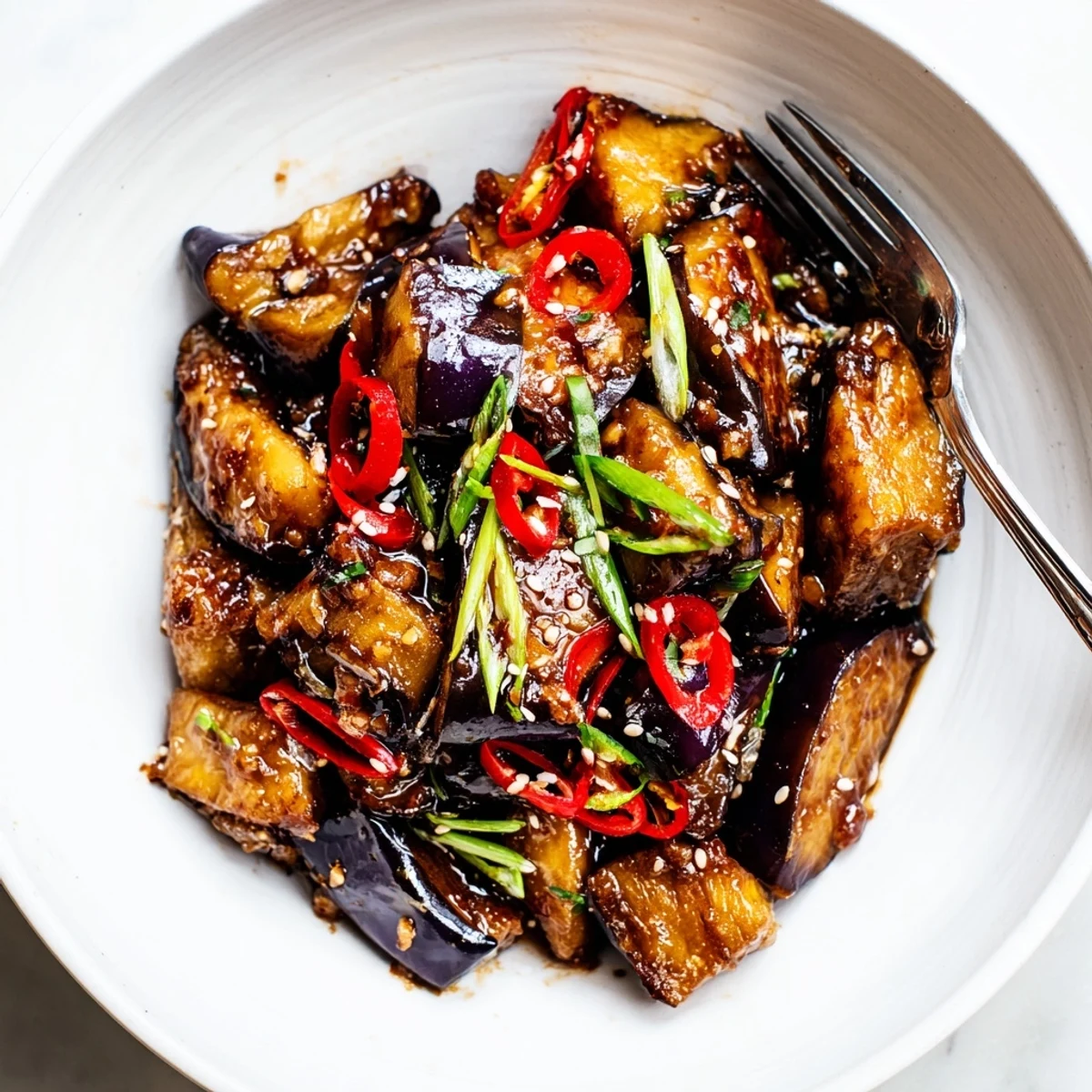
 Somehow, with chopsticks in hand and laughter at the table, those glossy aubergines have a way of making even Tuesday nights feel like low-key celebrations.
What to Serve It With
Steamed jasmine rice is your trusty standby, but I’ve also mopped up sauce with noodles or even tucked leftovers into a flatbread for a quick lunch.
Doubanjiang Swaps and Shortcuts
If you can’t track down doubanjiang, a good chili garlic sauce helps you hit close to the mark, though the flavor’s not exactly the same. Toasted peanuts or cashews on top add crunch, and a pinch of Sichuan peppercorn at the start lends that elusive tingling note.
Managing Heat and Texture
Don’t be shy with the chili if you love a fiery edge, but start with less if you have spice-sensitive guests. Aubergines melt into the sauce when perfectly cooked, absorbing flavors as they go.
- Toss in extra stock if your sauce gets too thick.
- Always taste and adjust salt just before serving.
- Letting the dish stand a few minutes before serving helps flavors settle (and prevents burnt tongues).
 Pin It
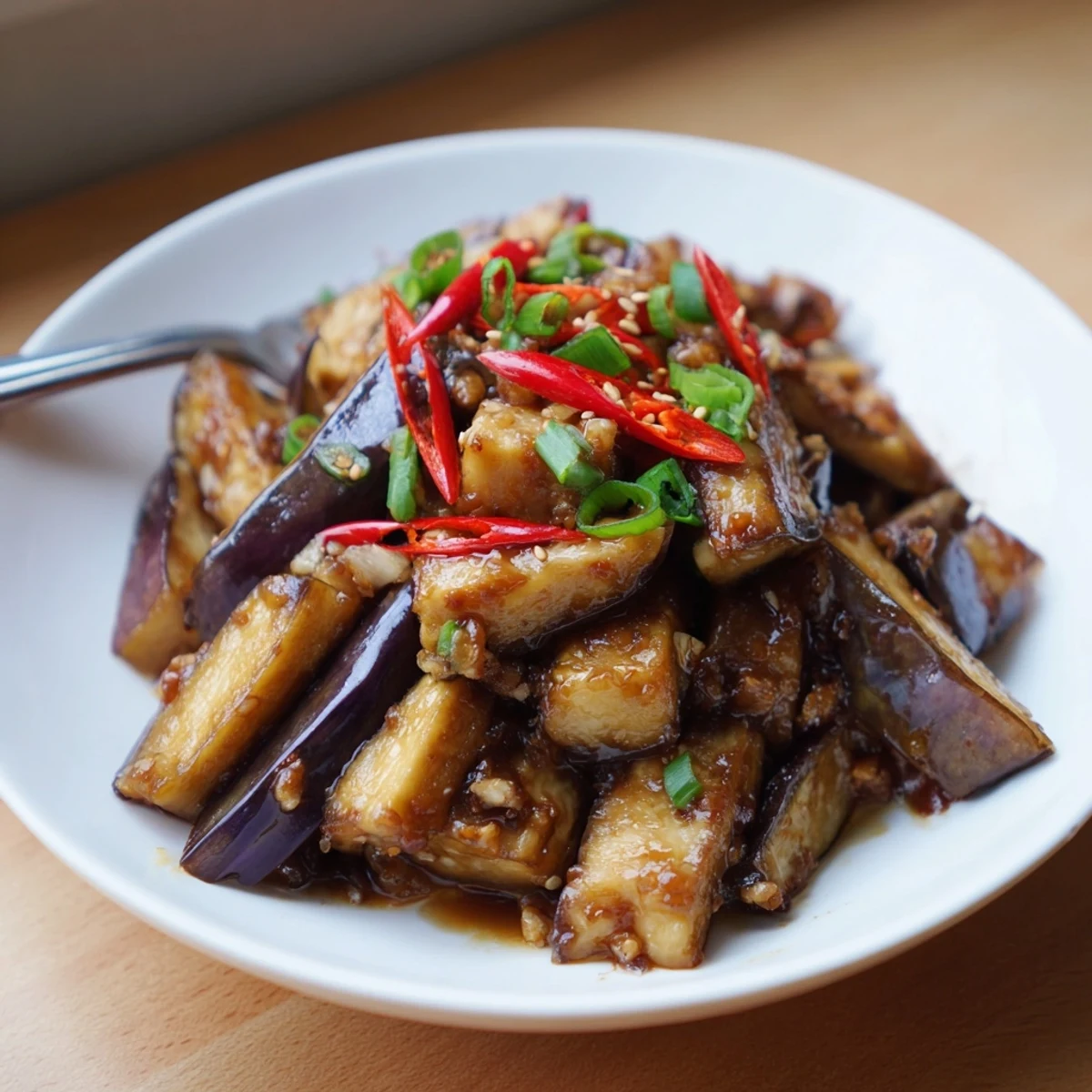
 Make this once and you’ll see how easily humble aubergine becomes the highlight of dinner. Now I secretly look forward to those nights when all I want is a sticky, spicy comfort in a bowl.
Recipe FAQs
- → How can I prevent the aubergine from becoming soggy?
-
Salt the aubergine pieces and let them sit for 10 minutes, then rinse and pat dry to remove excess moisture. Fry in batches on medium-high heat until golden and slightly crisp before adding sauce.
- → What can I use if I don't have doubanjiang?
-
Substitute with a chili garlic paste or a mix of chili paste and fermented bean paste, though the flavor will be less authentically Sichuan. Adjust salt and umami with a splash of soy or miso if needed.
- → How do I increase or tone down the heat?
-
For more heat, add sliced fresh chilies and a pinch of Sichuan peppercorns. To reduce spiciness, use less doubanjiang, remove seeds from fresh chilis, and add a little extra sugar or stock to mellow the sauce.
- → Is this suitable for vegan diets?
-
Yes. Use vegetable stock and check doubanjiang and soy sauce labels for any non-vegan additives. All other ingredients are plant-based.
- → How can I make the aubergine tender without frying?
-
Roast or bake the aubergine pieces at high heat until soft and caramelized, then proceed to toss them in the sauce in the pan to absorb flavors and thicken gently with a cornstarch slurry.
- → What are good serving suggestions and garnishes?
-
Serve with steamed jasmine rice or noodles. Finish with sliced spring onions, a drizzle of sesame oil, optional toasted peanuts for crunch, and a sprinkle of toasted sesame seeds.