
 Pin It
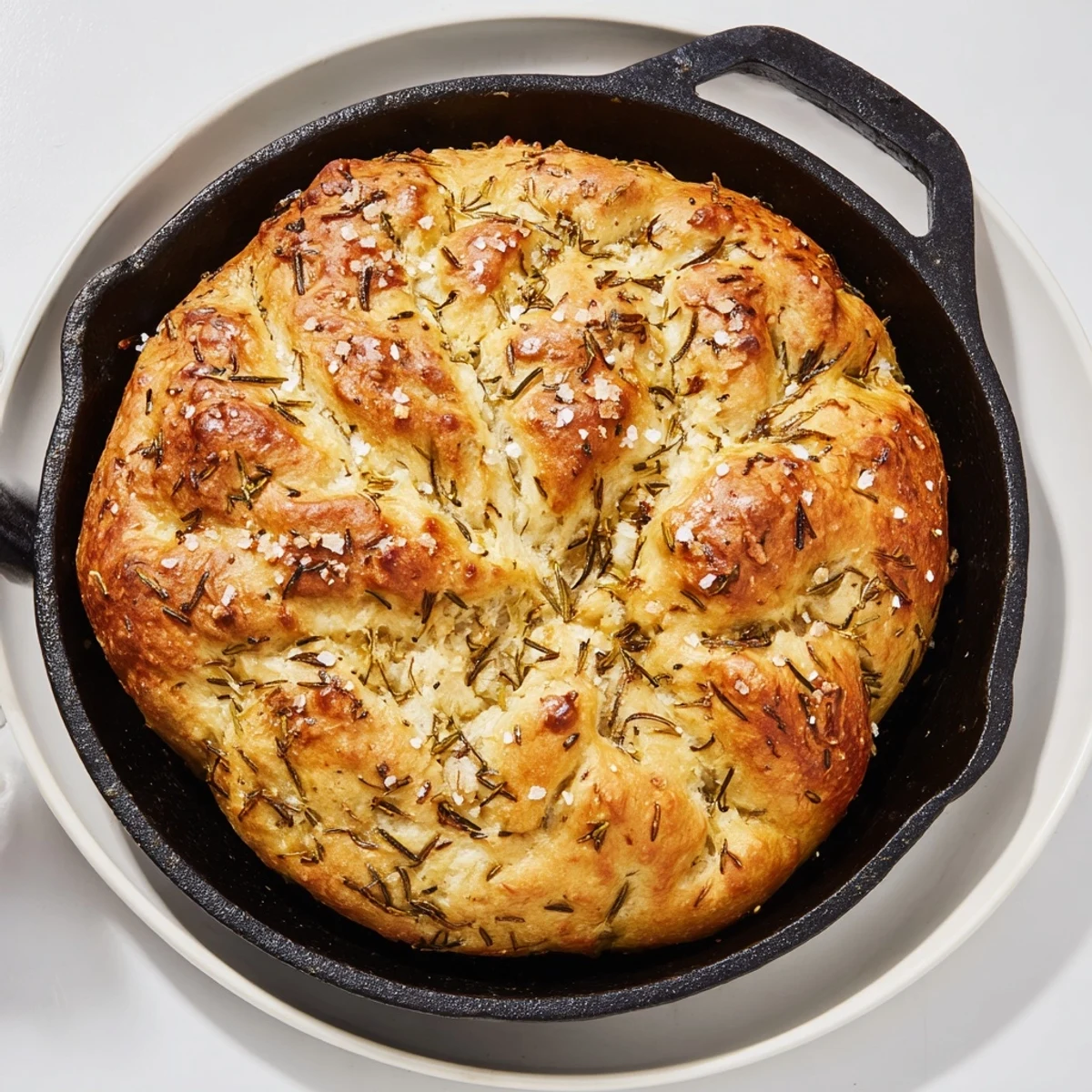
 This rustic skillet bread delivers the perfect balance of crisp, golden edges and a tender, chewy interior. The dough comes together quickly with pantry staples, while fresh rosemary and generous minced garlic create aromatic depth throughout every slice. After a simple rise period, the bread bakes in a hot cast-iron skillet, developing a beautifully crusty exterior that's ideal for dipping in olive oil or serving alongside soups and stews.
The first time I made this skillet bread, my tiny apartment smelled like an Italian bakery for hours. My neighbor actually knocked on my door to ask what I was baking, and I ended up sharing a still-warm slice with her right there in the hallway. That's the kind of bread this is—it pulls people in.
I started making this bread during winter when comfort food meant everything. There's something so satisfying about kneading dough by hand, feeling it transform from sticky chaos into something smooth and promising. My kitchen timer became my best friend during those long rise times.
Ingredients
- Bread flour: The higher protein content creates that beautiful chewy texture we want in rustic bread
- Active dry yeast: Make sure your water is warm but not hot, or you will kill the yeast and your bread will not rise
- Fresh rosemary: Dried herbs work in a pinch, but fresh rosemary releases these incredible oils when baked into the dough
- Roasted garlic: I learned to roast the cloves first for a sweeter, milder flavor that does not overpower the bread
- Flaky sea salt: This finishing touch creates these perfect salty bursts on top of each slice
Instructions
- Wake up the yeast:
- Whisk warm water and yeast in your largest bowl, then walk away for exactly five minutes. You want to see foam forming on top—that is how you know the yeast is alive and ready to work.
- Build your dough:
- Add flour and salt, then mix until everything comes together in a shaggy, messy ball. Knead for about seven minutes until the dough feels smooth and slightly tacky, like a post-it note.
- Infuse with flavor:
- Drizzle in olive oil, chopped rosemary, and minced garlic right into the dough. Knead just enough to distribute everything evenly—you should see flecks of green and purple throughout.
- First rise:
- Place your dough in a bowl greased with olive oil, cover with a damp towel, and find the warmest spot in your kitchen. Let it double in size, which usually takes about an hour.
- Prep the skillet:
- Coat your cast iron skillet generously with olive oil—do not be shy here. Gently press the dough into the skillet, cover again, and let it rise for another thirty minutes.
- Get ready to bake:
- Preheat your oven to 425°F while the dough has its second rise. The skillet should already be on the counter, not in the oven during preheating.
- Finish and bake:
- Brush the top with olive oil and scatter that flaky salt everywhere you want a burst of flavor. Bake for thirty to thirty-five minutes until the top is golden and the bread sounds hollow when you tap it.
- The hardest part:
- Let the bread cool for at least fifteen minutes before slicing into it. I know the smell is torture, but cutting too soon will steam the crumb and ruin the texture.
 Pin It
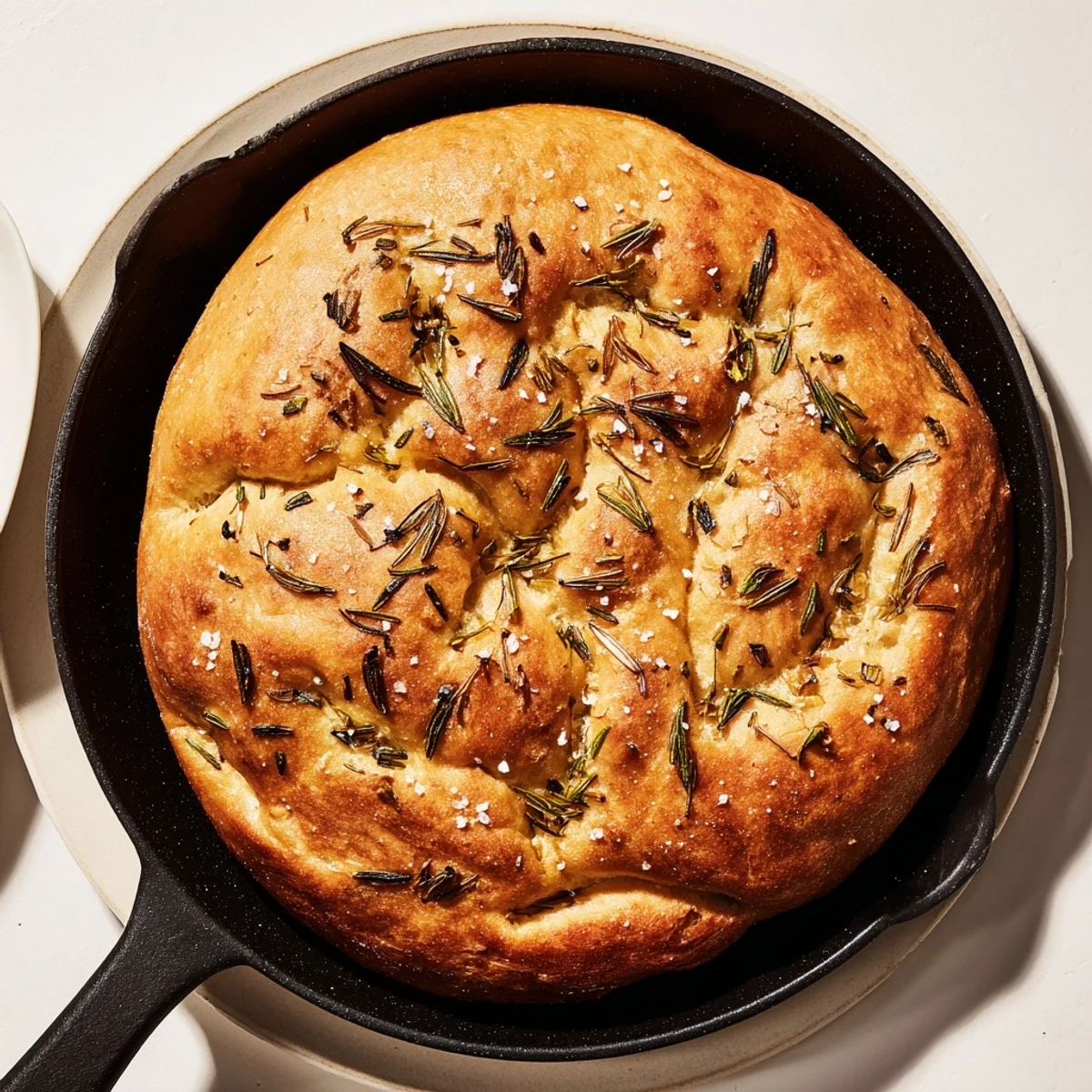
 This bread became my go-to for dinner parties after I served it alongside a simple tomato soup. Everyone kept reaching for another slice, and suddenly the conversation revolved around the bread instead of the main course. That is when I knew this recipe was a keeper.
Getting The Rise Right
I have made this bread in every season, and the rise time changes dramatically with temperature. In summer, my dough sometimes doubles in forty minutes, but winter can take ninety minutes. I have learned to watch the dough more than the clock.
Herb Variations
While rosemary and garlic feel like the perfect pairing, I have experimented with thyme and caramelized onions during fall. Sage and brown butter made appearance one Thanksgiving, and now I cannot decide which version I love more.
Serving Ideas
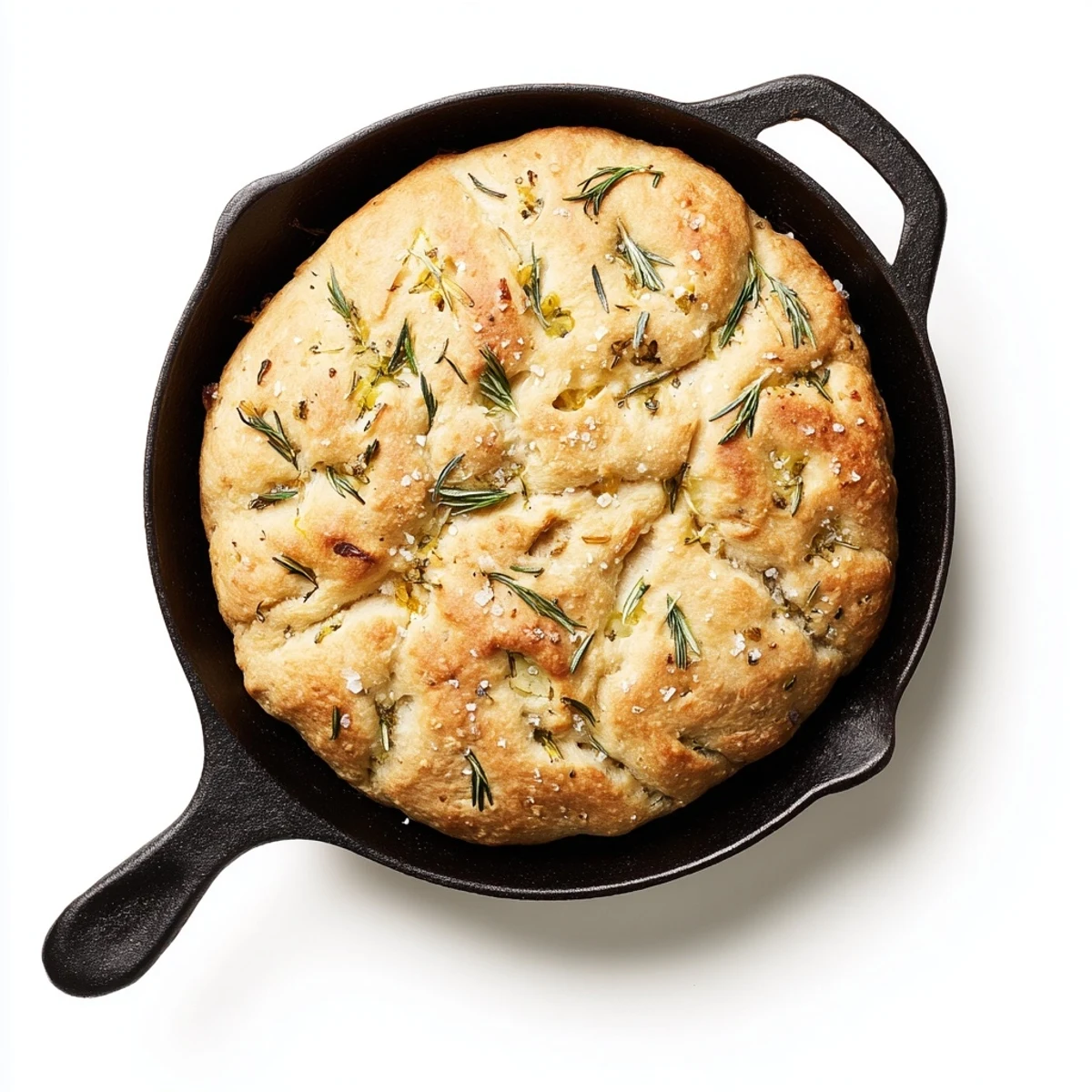
This bread wants to be torn and shared, not sliced perfectly with a knife. I put the whole skillet right on the table and let people help themselves.
- The bread keeps well for two days wrapped in foil
- Reheat leftover slices in a dry skillet for about two minutes per side
- Try crumbling leftovers into soup the next day
 Pin It
 There is something primal about breaking bread with people, and this skillet version makes it feel even more communal. Grab some butter and your favorite people.
Recipe FAQs
- → Can I use dried rosemary instead of fresh?
-
Yes, though fresh rosemary provides superior flavor. If using dried, reduce the amount to 1 tablespoon and rehydrate it briefly in warm water before adding to the dough.
- → Do I need a cast-iron skillet?
-
Cast iron is ideal for achieving the crispest crust, but any oven-safe 10-inch skillet will work. Glass or ceramic pans may require slightly adjusted baking times.
- → How do I know when the bread is done?
-
The bread should be deep golden brown on top and sound hollow when tapped on the bottom. An instant thermometer inserted into the center should read 190-200°F.
- → Can I make the dough ahead of time?
-
Yes, after the first rise, you can refrigerate the dough for up to 24 hours. Let it come to room temperature for 30 minutes before shaping and baking.
- → What can I serve with this bread?
-
This versatile bread pairs beautifully with soups, stews, pasta dishes, or simply on its own with olive oil for dipping. It's also excellent for sandwiches the next day.