
 Pin It
 This rich, moist chocolate cake uses cocoa and boiling water to deepen flavor. Combine dry ingredients, beat in eggs, milk, oil and vanilla, then stir in hot water for a thin batter. Bake 30–35 minutes in two 9-inch pans, cool fully, then sandwich and coat with a creamy cocoa frosting. Swap coffee for water for extra depth, or use plant milk for dairy-free variations.
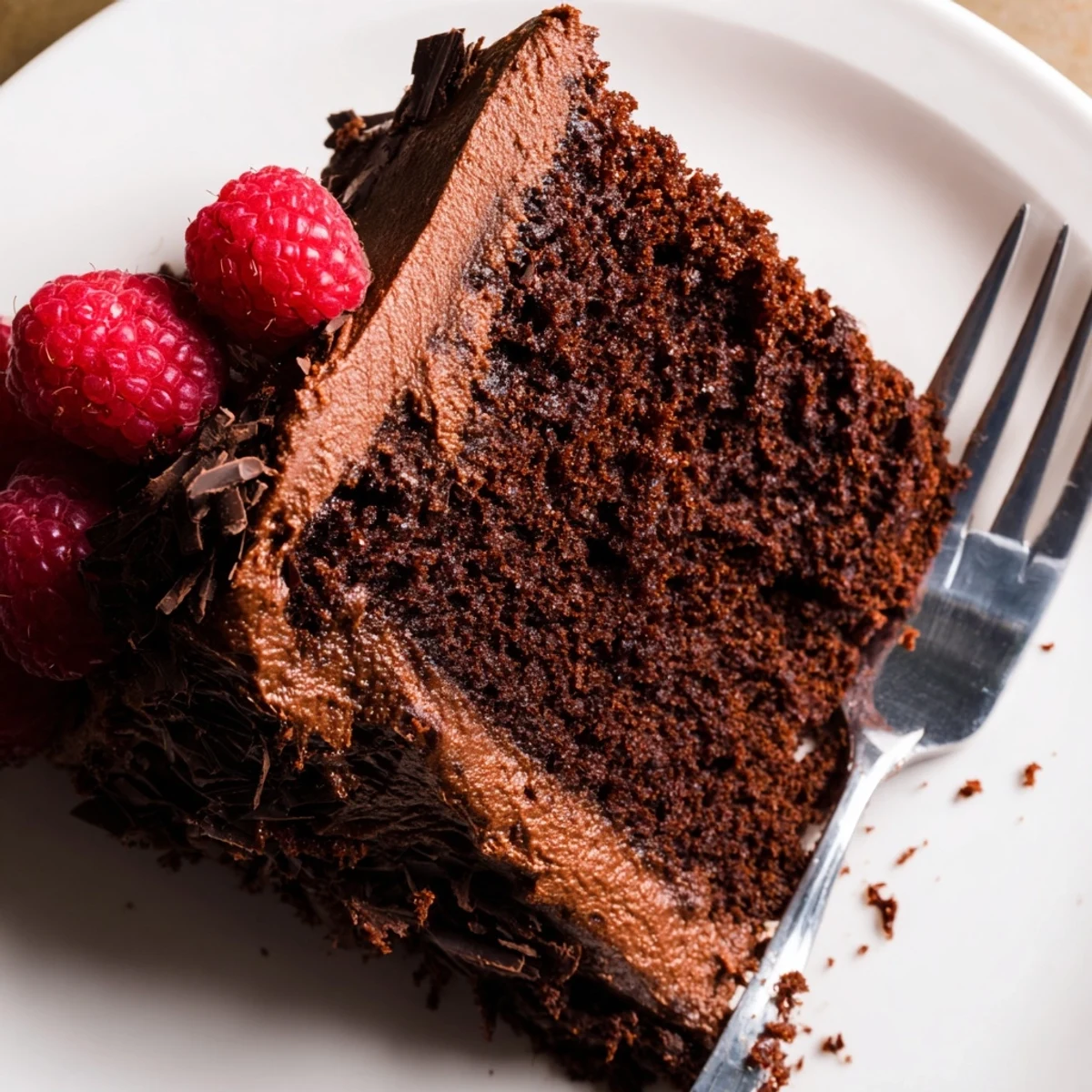
The smell of cocoa powder hitting hot water still takes me back to my first apartment kitchen, where I learned that boiling water is actually the secret weapon in chocolate cakes. I was skeptical when I saw how thin the batter became, but that first bite taught me everything I needed to know about moisture. Now whenever I make this for friends, I watch their eyes widen at that first impossibly tender forkful.
My sister called me in tears at 11 PM the night before her daughters birthday party, realizing shed forgotten to order a cake. We whipped this up together in her tiny kitchen, flour coating our pajamas and laughter echoing off the cabinets. The birthday girl took one bite and declared it better than any bakery cake shed ever had, and honestly, she wasnt wrong.
Ingredients
- All-purpose flour: The structure that holds all that chocolatey goodness together, though Ive learned weighing it gives more consistent results than cup measurements
- Unsweetened cocoa powder: Sift it twice to avoid any stubborn lumps that will make your cake texture feel sandy instead of smooth
- Granulated sugar: Do not reduce this amount, as sugar is actually a tenderizer that contributes to that soft crumb we are after
- Baking powder and baking soda: Both are necessary here, the baking soda needs that acidic cocoa powder to work its magic for lift
- Salt: A tiny pinch that makes all the chocolate flavors sing louder, do not skip it even if it seems odd
- Eggs: Room temperature eggs incorporate better into the batter, creating that uniform texture we want
- Whole milk: I have used lower fat milk in a pinch, but whole milk gives the best result for a tender cake
- Vegetable oil: Unlike butter, oil keeps the cake moist for days, which is why this recipe actually tastes better on day two
- Vanilla extract: Pure vanilla makes a difference you can taste, especially in something as simple as a chocolate cake
- Boiling water: This strange addition blooms the cocoa powder and creates an incredibly moist crumb, do not be alarmed by how thin the batter gets
- Unsalted butter: Soften it properly, not melted, or your frosting will never reach that perfect spreadable consistency
- Powdered sugar: Sifting this prevents those tiny white specks in your frosting that look sloppy
Instructions
- Preheat and prep your pans:
- Set your oven to 350°F and generously grease two round cake pans, then dust them with flour for extra insurance against sticking
- Whisk together the dry ingredients:
- Sift the flour, cocoa powder, sugar, baking powder, baking soda, and salt into a large bowl, working out any lumps now rather than later
- Add the wet ingredients:
- Pour in the eggs, milk, oil, and vanilla, then beat for exactly 2 minutes, watching the batter transform into something smooth and glossy
- Pour in the boiling water:
- The batter will look impossibly thin, almost like water, but keep mixing and trust the process, this is exactly what creates that tender crumb
- Divide and bake:
- Pour the thin batter evenly between your prepared pans and bake for 30 to 35 minutes, until a toothpick comes out clean with just a few moist crumbs
- Cool completely:
- Let the cakes rest in their pans for 10 minutes before turning them out, and patience is key here, warm cake will melt your frosting right off
- Make the frosting:
- Beat the softened butter until creamy, then gradually sift in the powdered sugar and cocoa, adding milk and vanilla until you have something fluffy and spreadable
- Frost like a pro:
- Place one cake layer on your serving plate, spread a generous layer of frosting on top, then add the second layer and frost the top and sides until smooth
 Pin It
 This cake has become my go to for every celebration, from office birthdays to late night cravings, and somehow it never fails to make people feel special. There is something about a homemade chocolate cake, slightly imperfect and incredibly chocolatey, that says I care enough to bake this for you.
Making It Ahead
The cake layers freeze beautifully for up to three months, wrapped tightly in plastic and then foil. I bake double batches whenever I have time, then pull them out the night before a party for effortless day of assembly.
Frosting Variations
Sometimes I swap half the cocoa powder for powdered sugar to make it less intense for kids, or add a tablespoon of brewed espresso to deepen the chocolate flavor for adults. The base frosting is incredibly forgiving and adapts well to whatever mood you are in.
Serving Suggestions
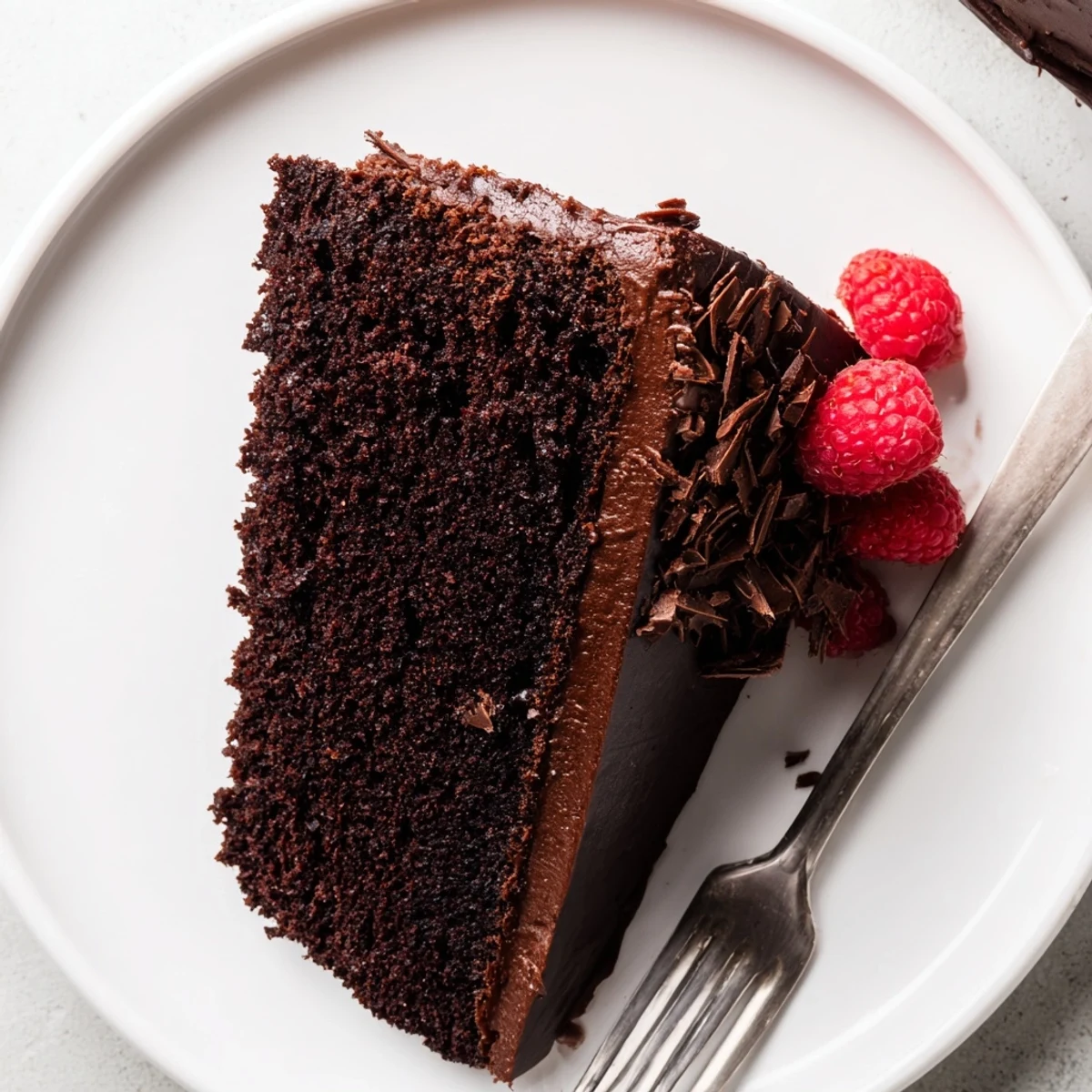
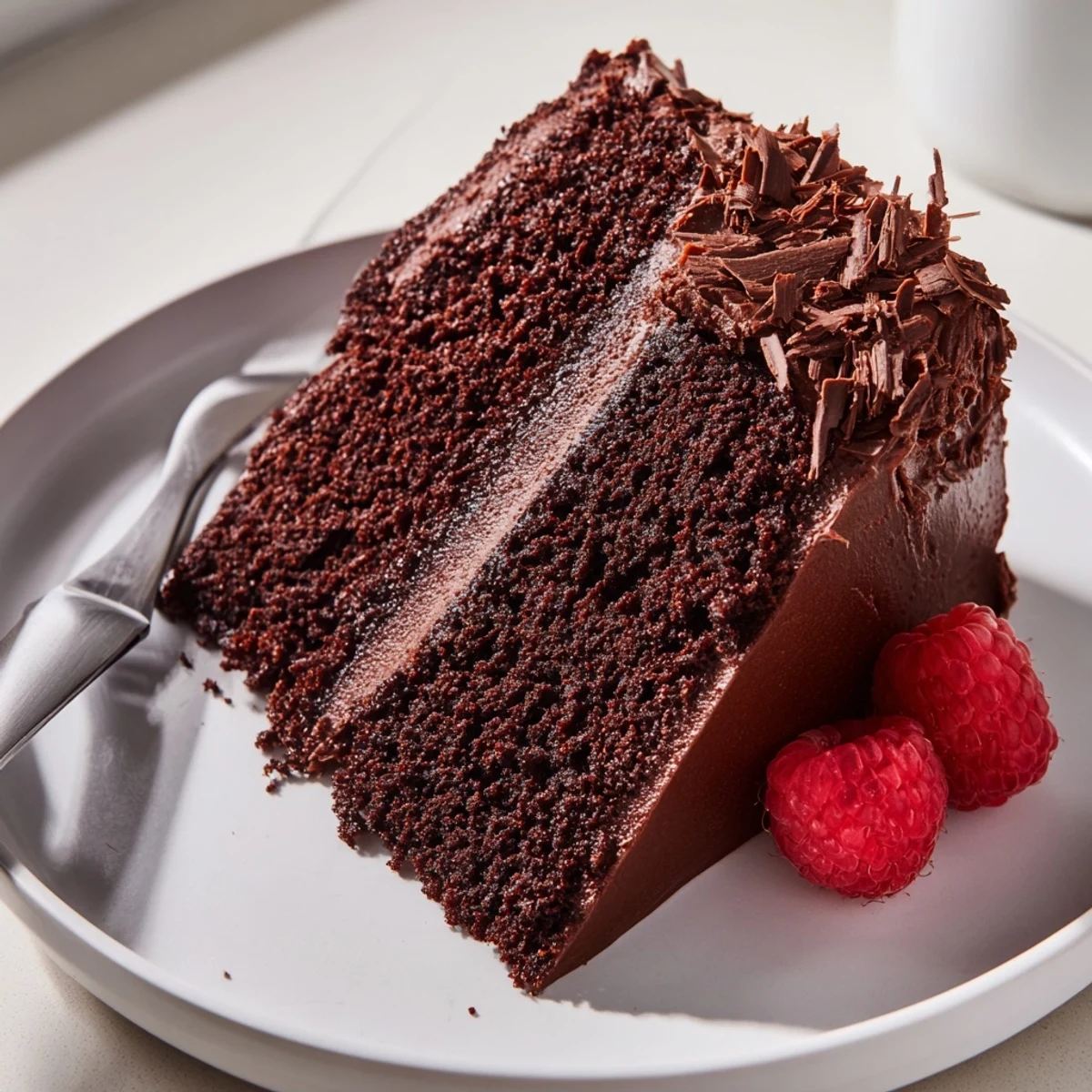
A warm slice of this cake with a glass of cold milk is about as close to perfection as it gets, though I have been known to eat it standing up at the counter. For parties, I top it with fresh raspberries, their tartness cutting through all that rich chocolate sweetness.
- Run your knife under hot water and wipe it dry between cuts for perfectly clean slices
- If the frosting is too stiff, let it sit at room temperature for 15 minutes before spreading
- This cake actually tastes better on day two, giving the flavors time to deepen and mingle
 Pin It
 Every time I pull this cake from the oven, I am reminded that the best recipes are often the simplest, and chocolate has a way of making any moment feel like a celebration worth remembering.
Recipe FAQs
- → Can I use hot coffee instead of boiling water?
-
Yes. Replacing boiling water with hot brewed coffee intensifies the chocolate notes. Use the same volume and allow the coffee to cool slightly before mixing to avoid affecting egg temperature.
- → How can I make this dairy-free?
-
Use plant-based milk (soy, oat, or almond) and a dairy-free spread or margarine for the frosting. Adjust sweetness and texture by adding a little extra cocoa or powdered sugar if needed.
- → What prevents the center from sinking?
-
Avoid overmixing once dry and wet ingredients are combined, and ensure baking powder/soda measurements are accurate. Bake at the correct temperature and resist opening the oven during the first 20 minutes.
- → How do I tell when the cake is done?
-
Insert a toothpick into the center; it should come out with a few moist crumbs but not wet batter. The cake should spring back lightly when touched and begin to pull from the pan edges.
- → Can I freeze the cooled layers?
-
Yes. Wrap cooled layers tightly in plastic and foil, then freeze for up to 2 months. Thaw overnight in the fridge before assembling and frosting for best texture.
- → Any tips for extra-moist crumb?
-
Use room-temperature eggs, measure flour by spooning and leveling, and include the boiling water step as written. A bit of vegetable oil keeps the crumb tender and moist.