
 Pin It
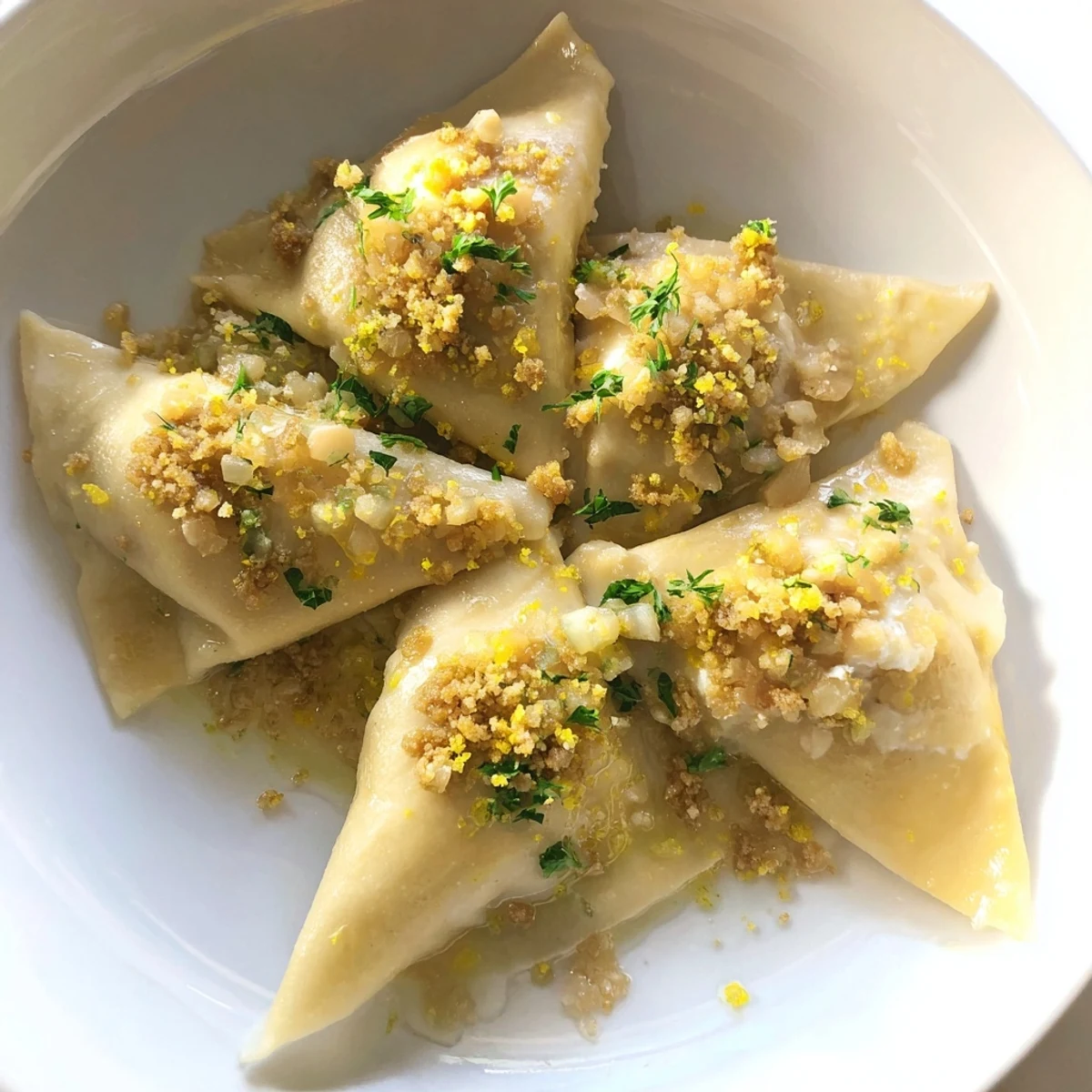
 These handmade pasta triangles are filled with a luscious mixture of creamy burrata and softly sautéed leeks brightened with lemon zest. Each triangoli is carefully folded and sealed, then gently cooked until tender.
Finished in a silky lemon butter sauce and crowned with crunchy, golden sourdough breadcrumbs infused with fresh parsley and citrus, this Italian-inspired dish delivers beautiful contrasts of texture and flavor.
The afternoon I attempted triangoli for the first time, flour somehow ended up on the ceiling and my cat watched from the counter like a disapproving culinary critic. Something about folding little pasta triangles by hand feels meditative in a way that makes you forget whatever was stressing you out. Burrata leaking into leeks while breadcrumbs toast in lemon butter is the kind of kitchen chaos that smells impossibly good. This recipe takes some patience but rewards every minute of effort.
I made a double batch of these for my neighbors after they helped me move a couch up three flights of stairs, and Maria stood in my doorway holding the plate with both hands telling me not to move. She called her mother in Naples to describe them, which remains the highest compliment my cooking has ever received. The lemon butter sauce pooled at the bottom of the plate and she sopped it up with bread without a hint of self consciousness. That is when I knew this recipe was a keeper.
Ingredients
Pasta Dough
- 00 flour (250 g plus extra for dusting): This finely milled Italian flour creates a silkier dough than all purpose and makes rolling thin sheets much easier.
- Large eggs (2): Room temperature eggs incorporate more smoothly into the flour and give you a more pliable dough to work with.
- Olive oil (1 tbsp): Just a small amount keeps the pasta tender and adds a subtle richness.
- Salt (pinch): Seasoning the dough itself means your pasta carries flavor even before the sauce.
Filling
- Leeks, white and light green parts only (2 medium): Clean these thoroughly because grit hides between every layer and nothing ruins delicate pasta faster than biting into sand.
- Burrata cheese, well drained (200 g): Drain the burrata in a fine mesh strainer for at least 20 minutes or your filling will be too wet to hold inside the triangles.
- Unsalted butter (2 tbsp): Cooking the leeks in butter rather than oil brings out their natural sweetness beautifully.
- Salt and freshly ground black pepper: Season the filling assertively because the pasta wrapper will mute the flavors slightly.
- Lemon zest (1/2 lemon): Just the zest in the filling adds brightness without making the burrata separate or turn runny.
Lemon Butter Breadcrumbs
- Fresh sourdough breadcrumbs (50 g): Tear sourdough into chunks and pulse in a food processor for irregular crumbs that toast into the most satisfying texture.
- Unsalted butter (2 tbsp): Butter toasts the crumbs more evenly than oil and gives them a rich golden color.
- Lemon zest (1 whole lemon): The zest blooms in the warm butter and perfume the breadcrumbs completely.
- Fresh parsley, finely chopped (1 tbsp): Add this off the heat so the parsley stays vivid green and fresh tasting.
- Salt (pinch): A tiny pinch lifts all the flavors in the topping.
Sauce
- Unsalted butter (60 g): This forms the luxurious base of the sauce and carries the lemon flavor beautifully across each piece of pasta.
- Lemon juice and zest (1/2 lemon): The juice adds tang while the zest contributes floral brightness that makes the whole dish sing.
- Freshly cracked black pepper: Generous pepper adds a gentle warmth that balances the richness of the butter.
Instructions
- Build the Pasta Dough:
- Mound the flour on your cleanest work surface and carve a deep well in the center like a tiny volcano. Crack the eggs right into that well along with the olive oil and salt, then use a fork to gently beat the wet ingredients while slowly pulling in flour from the walls. Once it becomes too thick for the fork, dive in with your hands and knead with conviction for about 8 to 10 minutes until the dough feels smooth and springs back when you press it. Wrap it tightly in plastic and let it rest for 30 minutes so the gluten relaxes and the dough becomes easy to roll.
- Cook Down the Leeks:
- Melt the butter in a wide pan over medium heat and add the chopped leeks, stirring them around so they coat evenly. Let them cook gently for 6 to 8 minutes, keeping the heat low enough that they soften and sweeten without taking on any color. You want them meltingly tender and fragrant, not browned or crispy. Set them aside to cool completely before you mix in the burrata.
- Bring the Filling Together:
- Once the leeks are completely cool, tear the drained burrata into pieces and fold it in with your hands or a spatula, handling it gently so you get creamy pockets rather than a homogeneous paste. Add the lemon zest, a good pinch of salt, and several grinds of pepper, then taste and adjust. The filling should be well seasoned because the mild pasta wrapper will tone everything down once assembled.
- Roll and Shape the Triangoli:
- Divide the rested dough in half and keep one piece wrapped while you work. Roll it out on a floured surface or run it through a pasta machine, thin enough that you can almost see the shadow of your hand through it. Cut into 8 cm squares and place a rounded teaspoon of filling in the center of each one. Fold each square diagonally into a triangle, pressing the edges firmly to seal, dabbing a tiny bit of water along the edges if the dough feels dry. Arrange them on a well floured tray as you go.
- Toast the Lemon Breadcrumbs:
- Melt the butter in a small skillet over medium heat and scatter in the sourdough breadcrumbs, stirring frequently so they toast evenly. After about 3 to 4 minutes they should be golden and fragrant, at which point you pull the pan off the heat and stir in the lemon zest, parsley, and salt. Spread them on a plate to cool so they stay crunchy rather than steaming into a clump.
- Cook and Assemble:
- Bring a large pot of well salted water to a gentle boil and slide the triangoli in carefully, giving them a quick stir so they do not stick to each other. They will float to the top after about 3 minutes but give them another 30 seconds to ensure the pasta is tender. Meanwhile, melt the sauce butter in a large skillet over medium heat, add the lemon juice and zest with a few cracks of pepper, and let it bubble gently. Use a slotted spoon to transfer the cooked triangoli straight into that lemon butter sauce, tossing them softly to coat. Serve immediately with a generous shower of the lemon breadcrumbs over the top.
 Pin It
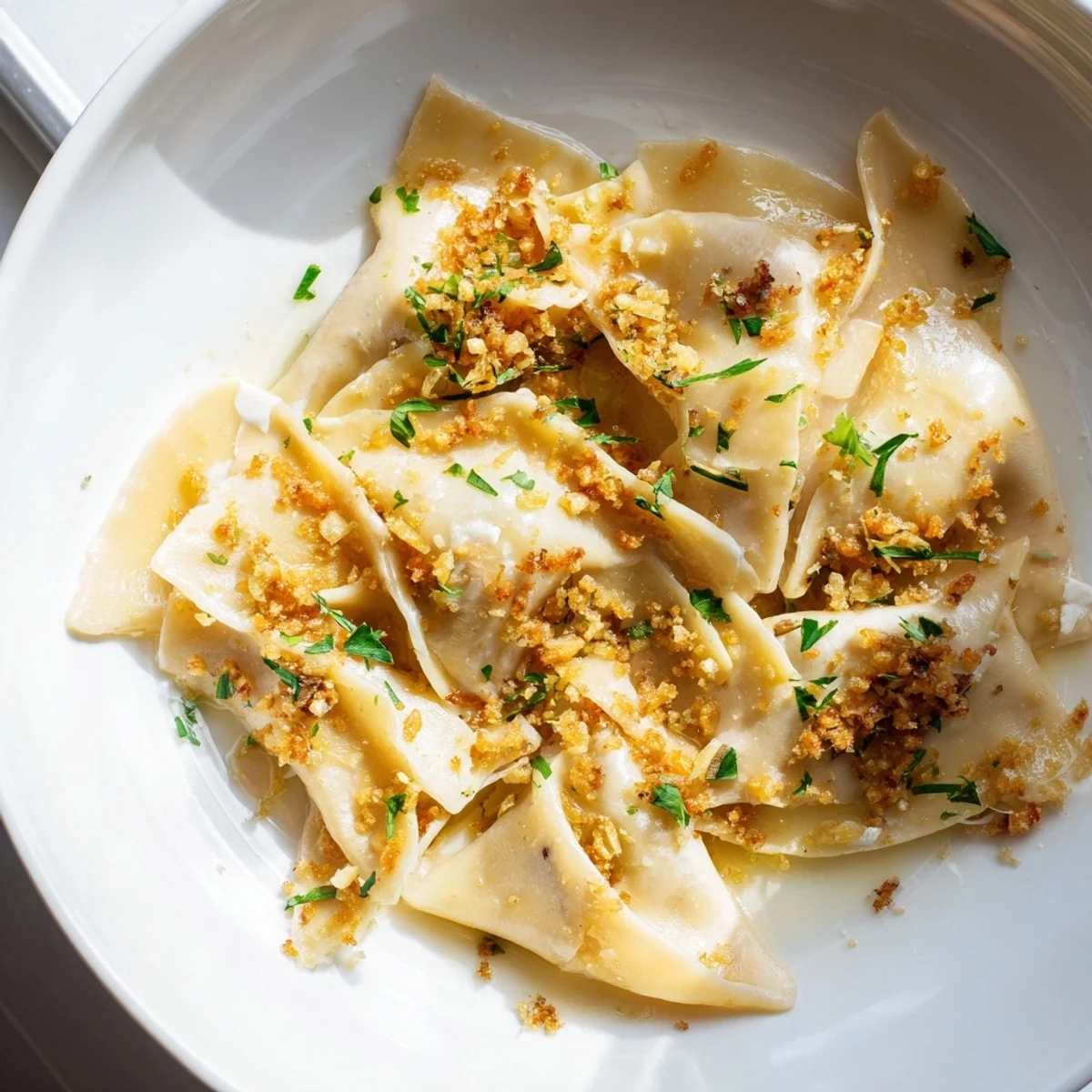
 There is something about placing a plate of handmade pasta in front of someone that communicates care in a way words rarely manage. These triangoli, golden with butter and bright with lemon, have a way of making any ordinary Tuesday feel like a proper occasion.
Getting the Pasta Thin Enough
When I first started making filled pasta I was terrified of rolling the dough too thin because I thought it would tear. The truth is you want it nearly translucent because it thickens slightly when cooked and a thick wrapper masks the delicate filling. If you are using a pasta machine, stop at the second to last setting. By hand, keep rolling until you can see the grain of your countertop through the dough.
Working with Burrata
Burrata is a moody ingredient and that is part of its charm. The outer shell is firm but the inside is a lush pool of cream and curds that wants to escape everywhere. For filling pasta you need to drain it well and handle it minimally so you get those gorgeous creamy pockets rather than a homogenous spread. Some batches are wetter than others so trust your instincts and add a tablespoon of breadcrumbs to the filling if it seems too loose.
Making It Your Own
This recipe is a blueprint that welcomes your personal touches once you feel confident with the basic technique. Try different herbs in the filling, swap the lemon for orange zest in winter, or add a pinch of chili flakes to the breadcrumbs for warmth. The breadcrumb topping is genuinely worth making even if you skip everything else and just scatter it over store bought pasta on a lazy night.
- Chopped fresh thyme in the filling pairs beautifully with the sweetness of the leeks.
- A grating of parmesan over the finished plate adds a savory depth that ties everything together.
- Always taste a corner piece before serving guests so you can adjust the seasoning one last time.
 Pin It
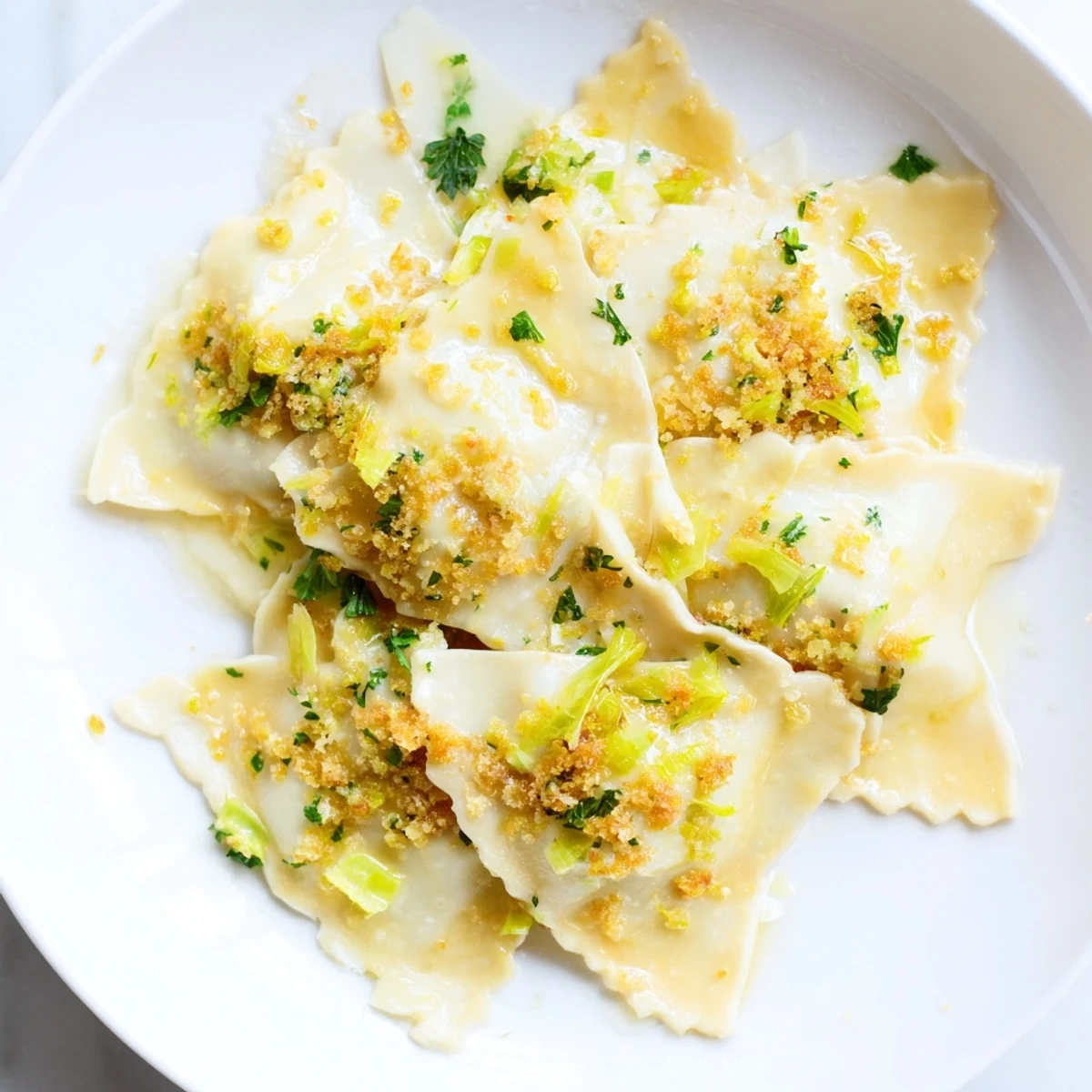
 Handmade pasta is a labor of love that feeds more than just hunger. These little triangles, bursting with burrata and crowned with lemony crunch, are worth every speck of flour on your counter.
Recipe FAQs
- → Can I make the pasta dough ahead of time?
-
Yes, you can prepare the pasta dough up to 24 hours in advance. Wrap it tightly in plastic wrap and refrigerate. Let it come to room temperature for about 15 minutes before rolling out for best results.
- → What can I substitute for burrata in the filling?
-
Well-drained ricotta works as a substitute, though the texture will be slightly less creamy. Mascarpone is another option. Whatever you choose, ensure it is thoroughly drained to prevent a watery filling that could compromise the pasta seal.
- → How do I prevent the triangoli from opening during cooking?
-
Make sure to press the edges firmly when sealing, using a tiny bit of water as glue if needed. Avoid overfilling — stick to about 1 teaspoon of filling per square. Also, keep cooked triangoli on a well-floured surface so they do not stick and tear before boiling.
- → Can I freeze assembled triangoli before cooking?
-
Absolutely. Arrange the assembled triangoli in a single layer on a floured baking sheet and freeze until solid, then transfer to an airtight container. Cook them directly from frozen, adding 1 to 2 minutes to the boiling time.
- → What wine pairs well with this dish?
-
A chilled Pinot Grigio complements the creamy burrata and bright lemon butter beautifully. Vermentino or a light Soave are also excellent choices that echo the dish's Italian roots and citrus-forward profile.
- → Do I need a pasta machine to roll the dough?
-
A pasta machine makes achieving an even 1 mm thickness much easier, but a rolling pin and patience work just fine. Roll on a well-floured surface, rotating the dough frequently, until it is thin enough to nearly see your hand through it.