
 Pin It
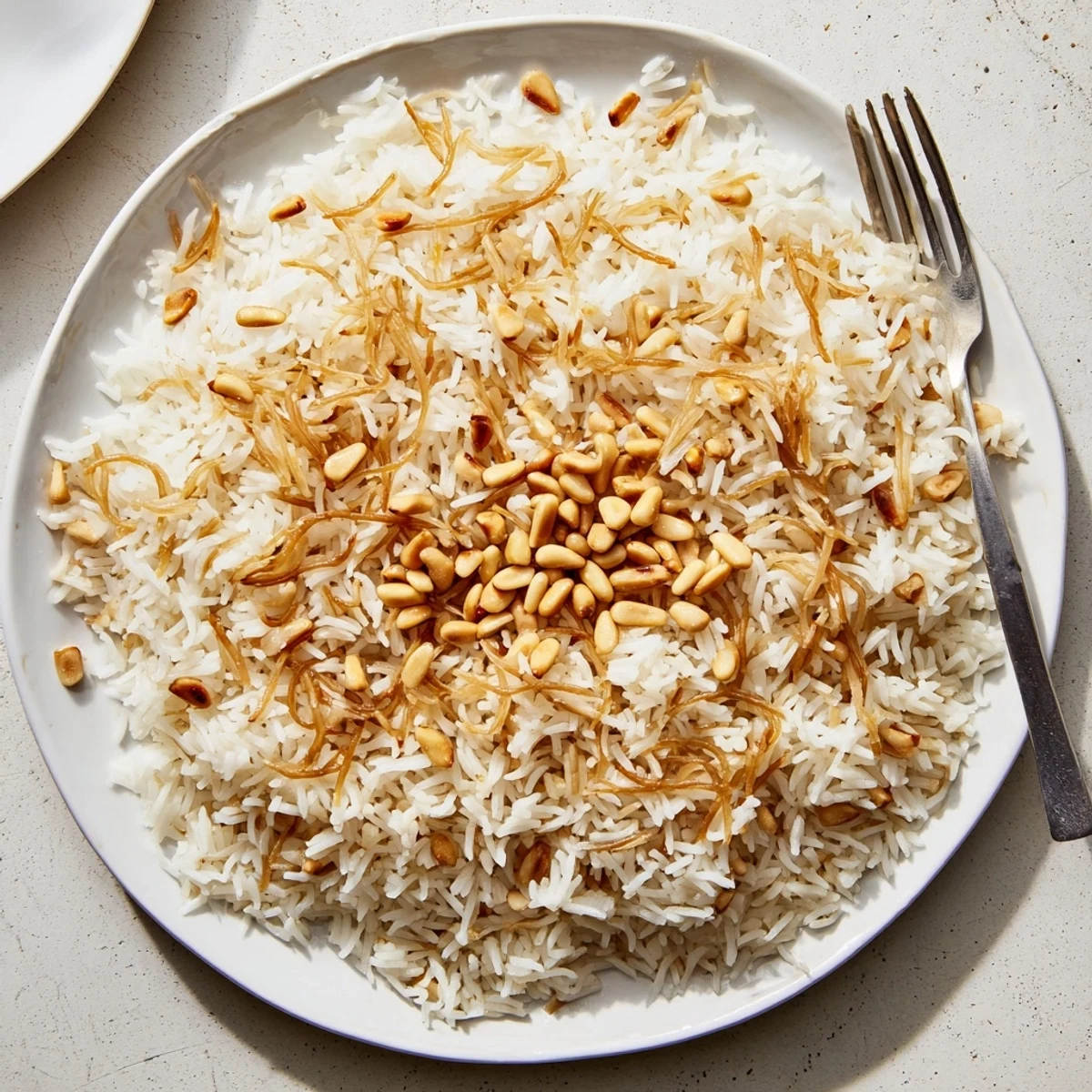
 Lebanese rice is a simple yet aromatic side dish built on three pillars: long-grain white rice, toasted vermicelli noodles, and butter. The vermicelli is sautéed until deeply golden, infusing the entire pot with a nutty, savory aroma.
Once the rice is added and coated in butter, water or broth brings everything together in a gentle simmer. After resting covered, the grains emerge perfectly fluffy and separate.
Ready in just 30 minutes, this versatile accompaniment pairs beautifully with grilled meats, stews, or roasted vegetables. Garnish with toasted pine nuts for an authentic finish.
The sound of vermicelli browning in butter is one of those small kitchen rituals that makes you stop whatever you are doing and pay attention. My neighbor Hala once told me that the color of the toasted noodles decides everything about the finished rice, and she was absolutely right. Lebanese rice is deceptively simple, relying on just a handful of ingredients, but the technique transforms everyday pantry staples into something fragrant and golden. Every pot I make reminds me of her tiny kitchen filled with the smell of toasting pasta and warm butter.
I served this alongside lamb kofta at a backyard dinner last summer, and three people asked for the rice recipe before they even touched the meat. There is something about those golden strands of pasta mixed through fluffy grains that makes everyone reach for seconds.
Ingredients
- Long-grain white rice (1 cup, basmati or jasmine): Rinsing until the water runs clear is the single step that separates clumpy rice from the fluffy, separated grains this dish is known for.
- Vermicelli noodles (1/2 cup, broken into 1-inch pieces): These thin pasta strands toast in butter and become the signature element, so snap them into uneven pieces for the best texture.
- Unsalted butter (2 tablespoons): Butter gives the rice its richness and helps the vermicelli brown evenly without drying out.
- Olive oil (1 tablespoon): A splash of oil keeps the butter from burning during the toasting step.
- Water or low-sodium chicken broth (2 cups): Broth adds a savory backbone, but water lets the toasted vermicelli flavor shine on its own.
- Salt (1 teaspoon): Seasoning the liquid directly ensures every grain is evenly flavored.
- Ground white pepper (1/4 teaspoon, optional): A gentle warmth that does not overpower the delicate butter and pasta flavors.
Instructions
- Wash the rice clean:
- Place the rice in a fine-mesh sieve and rinse under cold running water, swishing it around with your fingers until the water runs completely clear, then shake off the excess.
- Toast the vermicelli:
- Melt the butter with the olive oil in a medium saucepan over medium heat, then add the broken vermicelli and stir constantly for two to three minutes until the noodles turn a deep golden brown.
- Coat the rice:
- Add the drained rice to the pan and stir gently so every grain gets glossy with butter and oil, taking about thirty seconds.
- Simmer until tender:
- Pour in the water or broth, season with salt and white pepper, bring to a rolling boil, then reduce the heat to low, cover tightly, and let it cook undisturbed for fifteen minutes.
- Rest and fluff:
- Take the saucepan off the heat and let it sit with the lid still on for five minutes, then gently fluff the rice with a fork, lifting rather than stirring to keep the grains separate.
 Pin It
 One evening I doubled this recipe for a potluck and forgot to adjust the resting time, but those extra minutes of sitting under the lid actually made it the best batch I had ever produced.
Tools That Make It Easier
A saucepan with a tight-fitting lid is the one non-negotiable here, because any escaping steam means unevenly cooked grains. A wooden spoon or heatproof spatula will serve you better than metal for stirring the vermicelli, since it scrapes the bottom gently without scratching.
Serving Suggestions Worth Trying
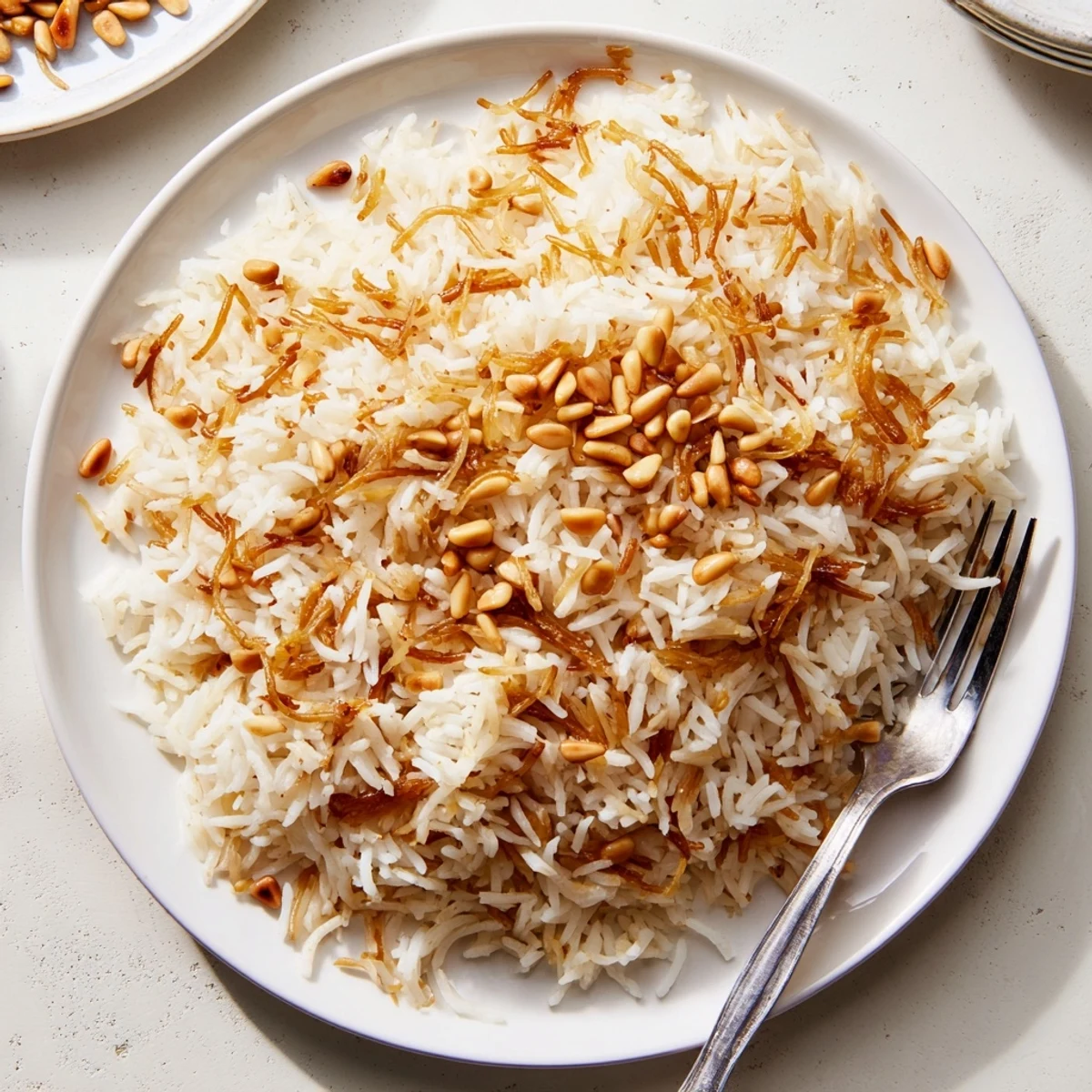
Scatter toasted pine nuts over the top just before serving for a crunch that mirrors the flavor of the vermicelli itself. This rice belongs beside anything grilled, especially lamb or chicken seasoned with warm spices, and it soaks up stews beautifully.
Making It Your Own
Once you have the basic technique down, small tweaks become second nature. A pinch of cinnamon in the cooking liquid adds warmth without stealing the spotlight. You can swap the butter for more olive oil to keep it vegan, and the toasting step still delivers that irresistible flavor.
- Toast pine nuts in a dry skillet right before serving for the best texture.
- Use gluten-free vermicelli to adapt this for gluten-sensitive guests without changing the method.
- Taste the rice after fluffing and add a pinch more salt if the broth was unsalted.
 Pin It
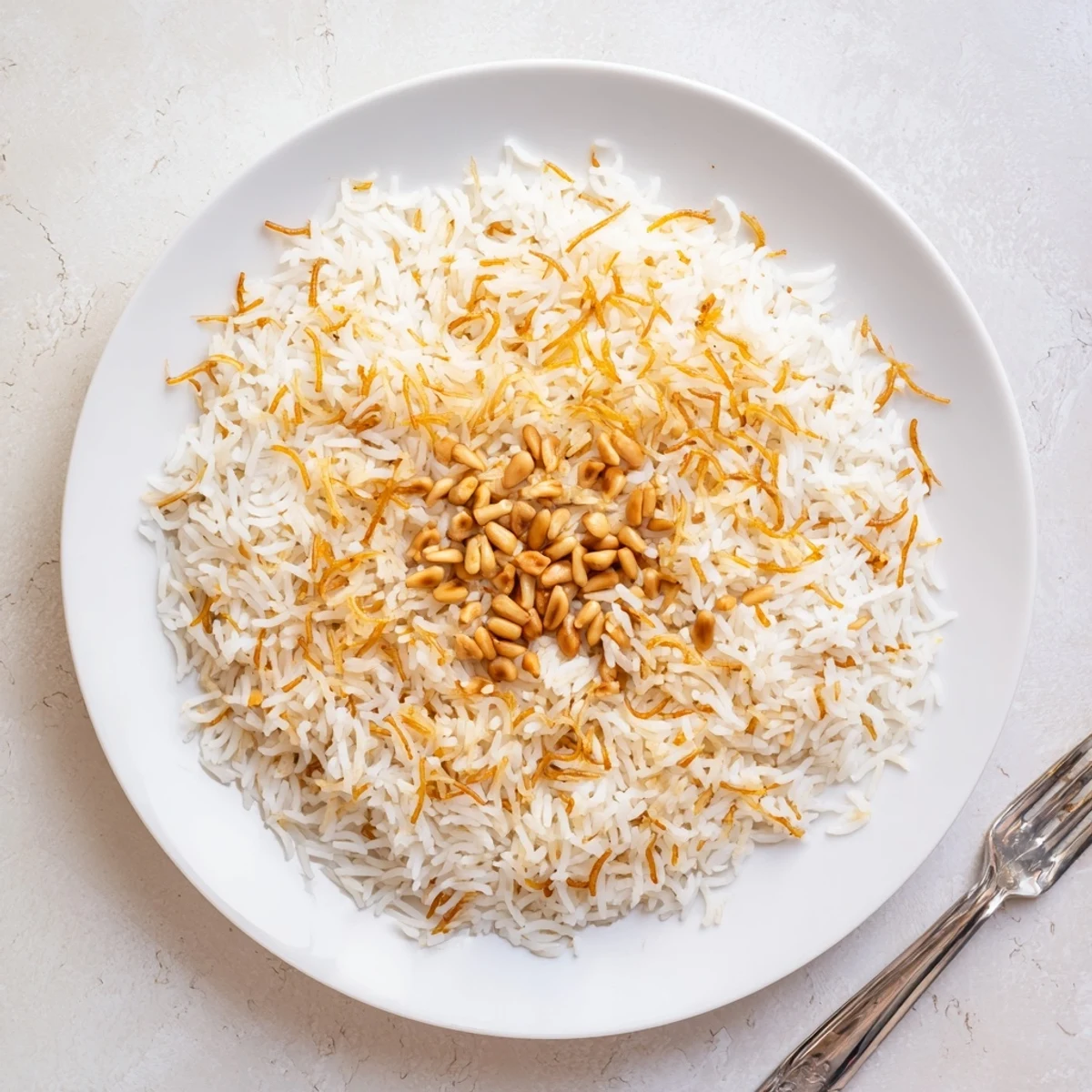
 A pot of Lebanese rice is proof that the simplest dishes, treated with care and patience, often leave the deepest impression at the table.
Recipe FAQs
- → What type of rice works best for Lebanese rice?
-
Long-grain white rice such as basmati or jasmine is ideal. These varieties produce fluffy, separate grains that don't clump together. Always rinse the rice thoroughly before cooking to remove excess starch.
- → Why do you toast the vermicelli noodles?
-
Toasting vermicelli in butter until golden brown creates a deep, nutty flavor that defines Lebanese rice. The browning also helps the noodles hold their texture during cooking, adding a pleasant subtle crunch to each bite.
- → Can I make Lebanese rice without butter?
-
Yes, you can substitute the butter with additional olive oil or a plant-based butter for a vegan version. The flavor will be slightly different, but the technique remains the same and the results are still delicious.
- → How do I prevent the vermicelli from burning?
-
Stir the noodles constantly while sautéing over medium heat. They can go from golden to burnt very quickly, typically within 2 to 3 minutes. Remove the pan from heat immediately once they reach a deep golden color.
- → What should I serve with Lebanese rice?
-
This rice pairs well with grilled meats like lamb or chicken, hearty stews, kibbeh, and roasted vegetables. It also works as a base for dishes like shawarma bowls or alongside hummus and falafel for a complete spread.
- → Can I use chicken broth instead of water?
-
Absolutely. Substituting water with low-sodium chicken broth adds an extra layer of savory depth to the rice. For a vegetarian option, vegetable broth works equally well and enhances the overall flavor profile.