
 Pin It
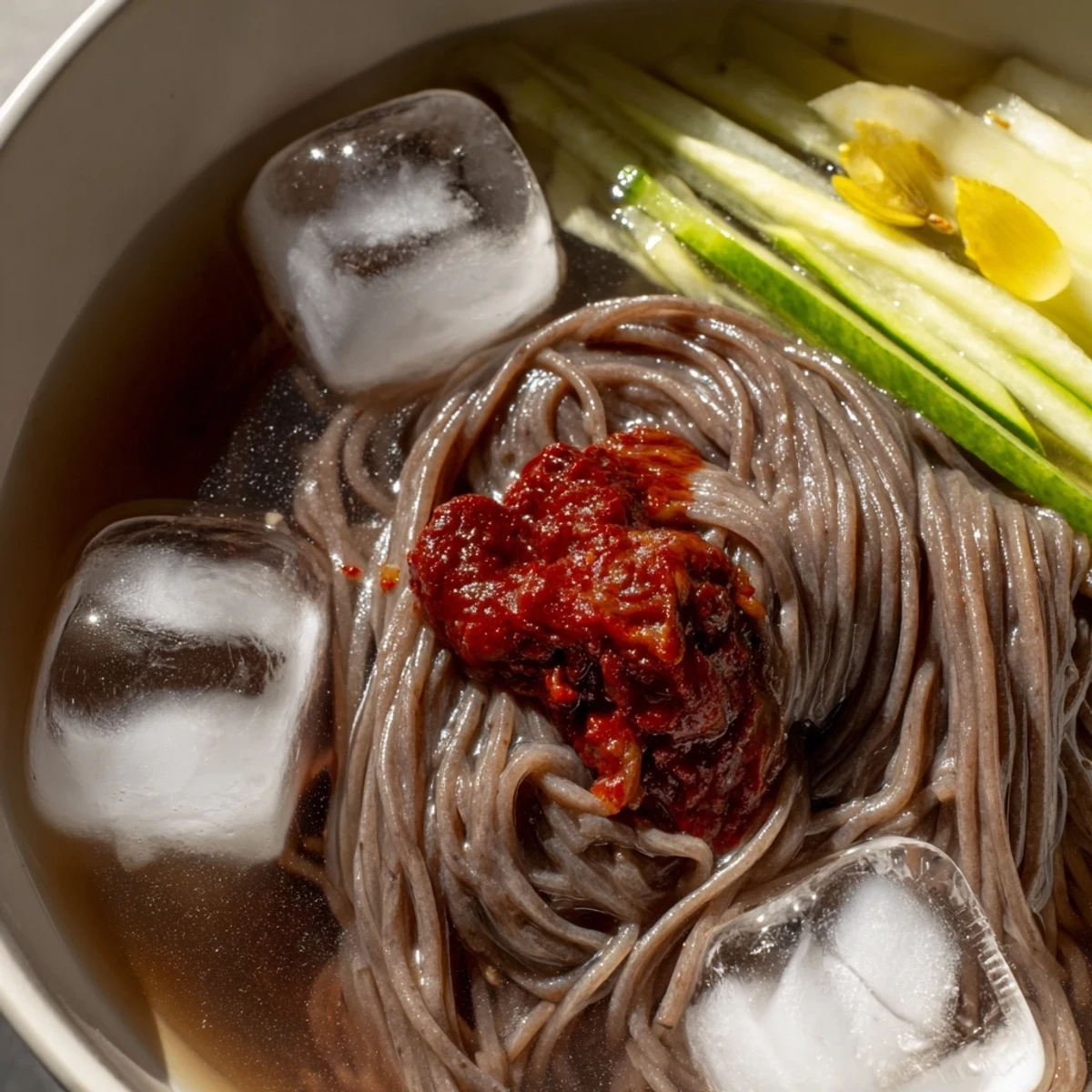
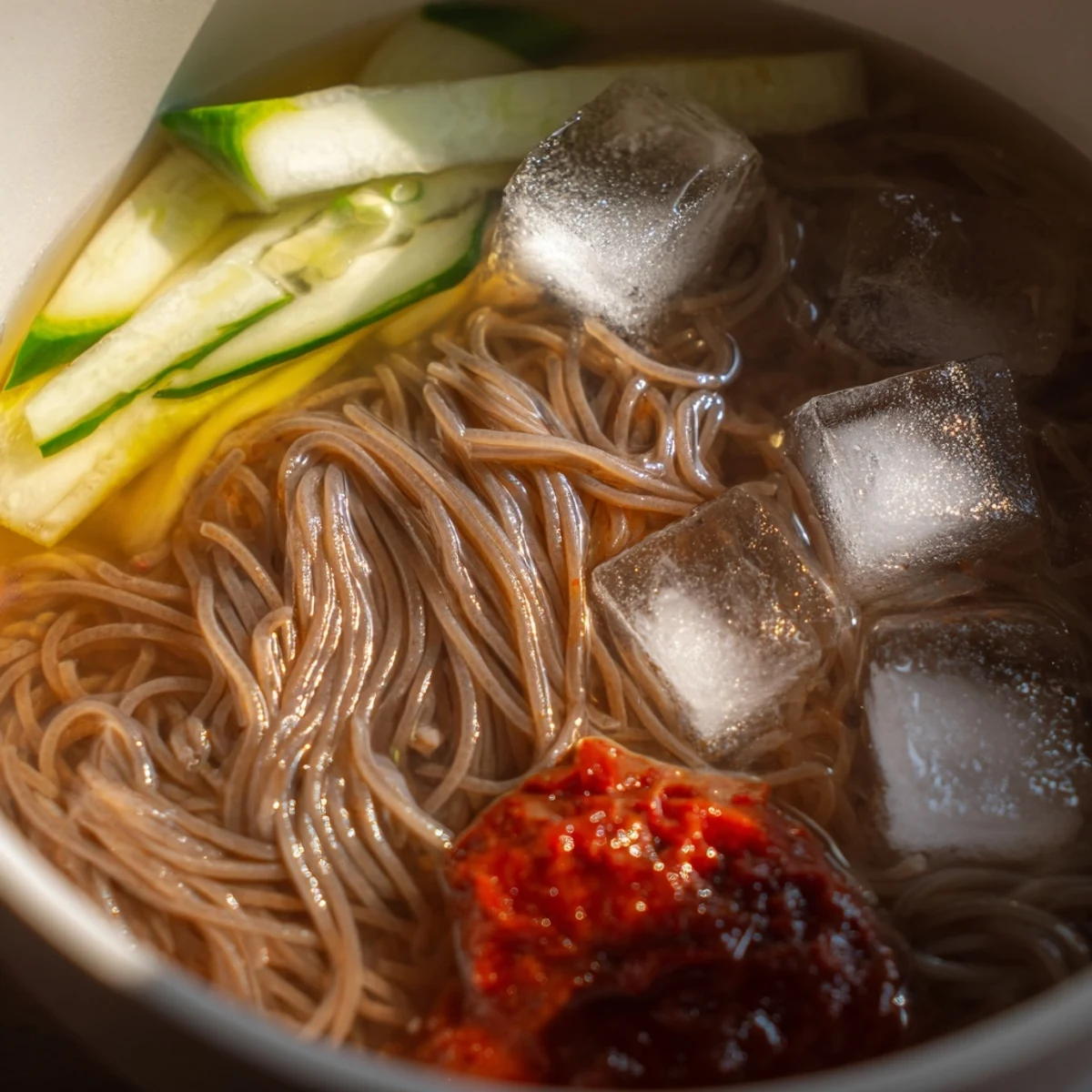
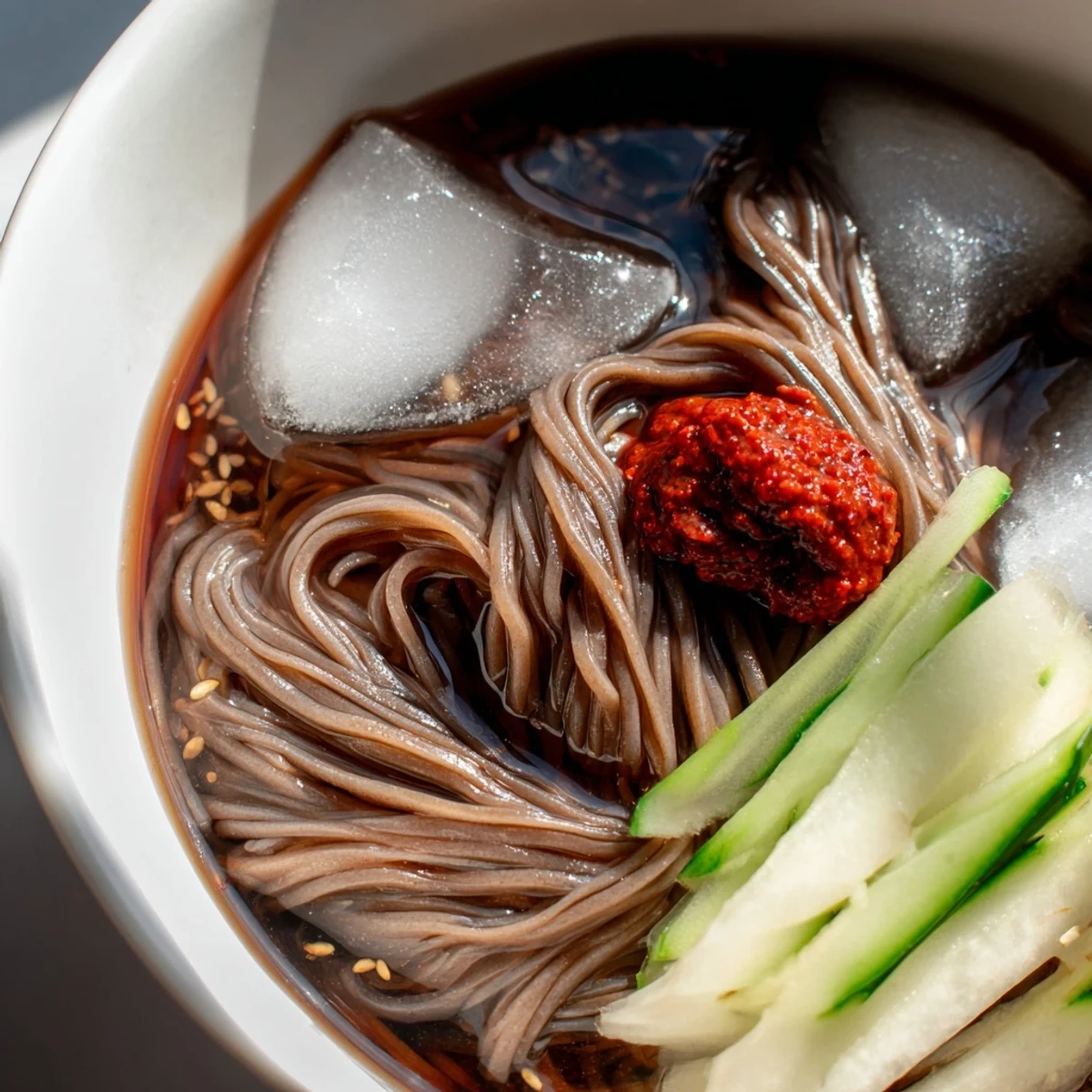
 Experience the refreshing flavors of authentic Korean naengmyeon, featuring springy buckwheat noodles submerged in an ice-cold tangy broth. This beloved summer dish combines the richness of beef broth with the bright acidity of rice vinegar, creating a perfectly balanced flavor profile. The noodles are cooked until just tender, then thoroughly chilled under cold water to achieve their signature chewy texture. Each bowl is generously topped with thinly sliced beef brisket, crisp Asian pear, refreshing cucumber, and creamy hard-boiled eggs. The addition of ice cubes keeps everything extra cold, while toasted sesame seeds and optional gochujang add layers of nutty warmth and subtle heat. This dairy-free main dish serves four and comes together in just 40 minutes, making it an impressive yet manageable option for introducing Korean cuisine to your table.
The first time I encountered naengmyeon was at a tiny Korean restaurant in Los Angeles where the waiter warned me about the scissors on the table. In Korea, cold noodle soup is apparently serious business—the noodles are so long and chewy that you're expected to cut them with scissors, a practice that seemed both theatrical and completely necessary once I took my first bite. That lunch happened on a sweltering July afternoon, and I've been chasing that refreshing, slightly spicy, perfectly chilled sensation ever since.
Last summer, when my apartment AC broke during a heatwave, I made a massive batch of this for my roommates. We sat on the floor in front of the fan, slurping noodles and adding extra ice cubes to our bowls, and for twenty minutes nobody complained about the temperature. The combination of cold broth, crisp vegetables, and that optional dollop of gochujang became our emergency cooling system.
Ingredients
- Beef broth: Homemade beef broth gives the richest flavor base, but if youre using store-bought, reach for low-sodium brands so the tangy vinegar and sugar can shine without becoming overwhelmingly salty
- Rice vinegar: This is what gives naengmyeon its characteristic bright tangdont substitute with other vinegars unless you absolutely must, as rice vinegar has a gentler acidity that plays beautifully with the cold broth
- Naengmyeon noodles: Korean buckwheat noodles are specifically designed to stay chewy even after thorough chilling, and their slightly earthy flavor grounds the otherwise bright and refreshing soup
- Asian pear: The pear adds this incredible subtle sweetness and crisp texture that balances the vinegar, and if you cant find Asian pear, a firm Bosc pear works surprisingly well
- Ice cubes: This might seem unusual, but ice is absolutely essential for keeping the broth at that teeth-chilling temperature that makes cold noodle soup so refreshing
Instructions
- Build your icy foundation:
- Whisk together the beef broth, cold water, rice vinegar, sugar, soy sauce, sesame oil, and salt until everything dissolves completely. Tuck this mixture into the refrigerator for at least 30 minutes—you really want it bone-cold before serving, so dont skip this chilling step
- Prep like youre running a restaurant line:
- Boil your eggs for exactly 10 minutes, then plunge them into an ice bath for easy peeling later. Slice your beef brisket paper-thin against the grain, cut your cucumber and pear into delicate ribbons, and have all your toppings ready to go before you even think about cooking the noodles
- Cook and chill those noodles:
- Boil the naengmyeon noodles for 3 to 4 minutes until theyre tender but still have that characteristic chew. Drain them and rinse under frigid cold running water for a full minute, tossing them constantly to remove every bit of starchy surface—this is what keeps the broth clear and the noodles from clumping together
- Assemble your masterpiece:
- Divide the noodles between four bowls and ladle that icy cold broth over them. Arrange your toppings in a pretty pattern on top—cucumber, pear, beef, egg halves—and tuck a few ice cubes into each bowl to maintain that arctic temperature
- Finish with flourish:
- Sprinkle toasted sesame seeds over everything and add that gochujang dollop if you want some gentle heat. Serve immediately with scissors on the table, and maybe warn your guests about the noodles remarkable length
 Pin It
 My friend Sarah from Korea told me that in Seoul, restaurants compete to have the coldest naengmyeon in town, sometimes keeping their metal bowls in freezers. While I haven't gone that far, I do chill my serving bowls in the fridge for at least an hour, and honestly, that tiny ritual makes the whole experience feel special.
The Art of Broth Balance
Finding the perfect balance between tangy, savory, and slightly sweet takes a little trial and error. I always make the broth a few hours ahead and taste it after its thoroughly chilled—cold temperatures dull sweetness and enhance acidity, so what tastes balanced at room temperature might need tweaking when its ice cold. Keep a small bottle of rice vinegar at the table for guests who love that extra punch.
Noodle Wisdom
The beauty of naengmyeon noodles is their remarkable texture—they should spring back when you bite them, never turning mushy even after sitting in cold broth. If you can only find soba noodles as a substitute, reduce the cooking time by about 30 seconds since buckwheat noodles vary wildly between brands, and soba tends to cook faster. The key is tasting frequently during that final minute of cooking.
Customization Station
While traditional naengmyeon is beautiful on its own, I love setting out little bowls of extras so everyone can personalize their bowl. Korean mustard and extra vinegar are classic additions, but Ive seen people add everything from pickled garlic to fresh Korean perilla leaves. The noodles are the canvas, and the toppings are your palette.
- Thinly sliced Korean radish adds the most incredible crisp texture that somehow stays crunchy even after sitting in broth
- A drizzle of sesame oil right before serving releases an aromatic intensity that transforms the whole bowl
- Keep those scissors handy—theres no elegant way to eat yard-long noodles, and thats absolutely part of the charm
 Pin It
 Cold noodle soup might seem strange the first time you encounter it, but after one bowl of icy, tangy, chewy perfection on a hot day, youll understand why Koreans have been obsessed with this dish for generations. Theres nothing quite like it.
Recipe FAQs
- → What makes naengmyeon noodles unique?
-
Naengmyeon noodles are distinctive for their exceptionally chewy and springy texture, achieved through a combination of buckwheat and sweet potato starch. Unlike other Asian noodles, they maintain their firmness even when soaked in cold broth for extended periods, making them perfect for this dish.
- → Can I make the broth ahead of time?
-
Absolutely! In fact, the broth tastes better when prepared in advance and allowed to chill thoroughly in the refrigerator. You can make it up to 2 days ahead—the flavors meld together beautifully, and the cold temperature is essential for the authentic experience.
- → What can I substitute for naengmyeon noodles?
-
Soba noodles made from buckwheat are the closest alternative, though they're slightly less chewy. Some specialty stores also sell memoria noodles, another Korean cold noodle variety. Avoid using rice noodles or udon, as their texture doesn't complement the cold broth preparation.
- → Is it necessary to rinse the noodles after cooking?
-
Yes, rinsing under cold running water is crucial. This step removes excess starch that would make the noodles gummy, stops the cooking process instantly, and chills the noodles thoroughly. The cold shock also helps achieve that signature bouncy texture essential to authentic naengmyeon.
- → Can naengmyeon be served warm?
-
While traditional naengmyeon is specifically served cold, there is a warm variation called on-naengmyeon. However, this recipe follows the classic cold preparation method, which is most popular during summer months and prized for its refreshing qualities.
- → How spicy is this dish?
-
The base dish is not spicy—the focus is on tangy, refreshing flavors. The optional gochujang adds mild heat and depth, but diners typically control their own spice level at the table using mustard, vinegar, or additional chili paste according to preference.