
 Pin It
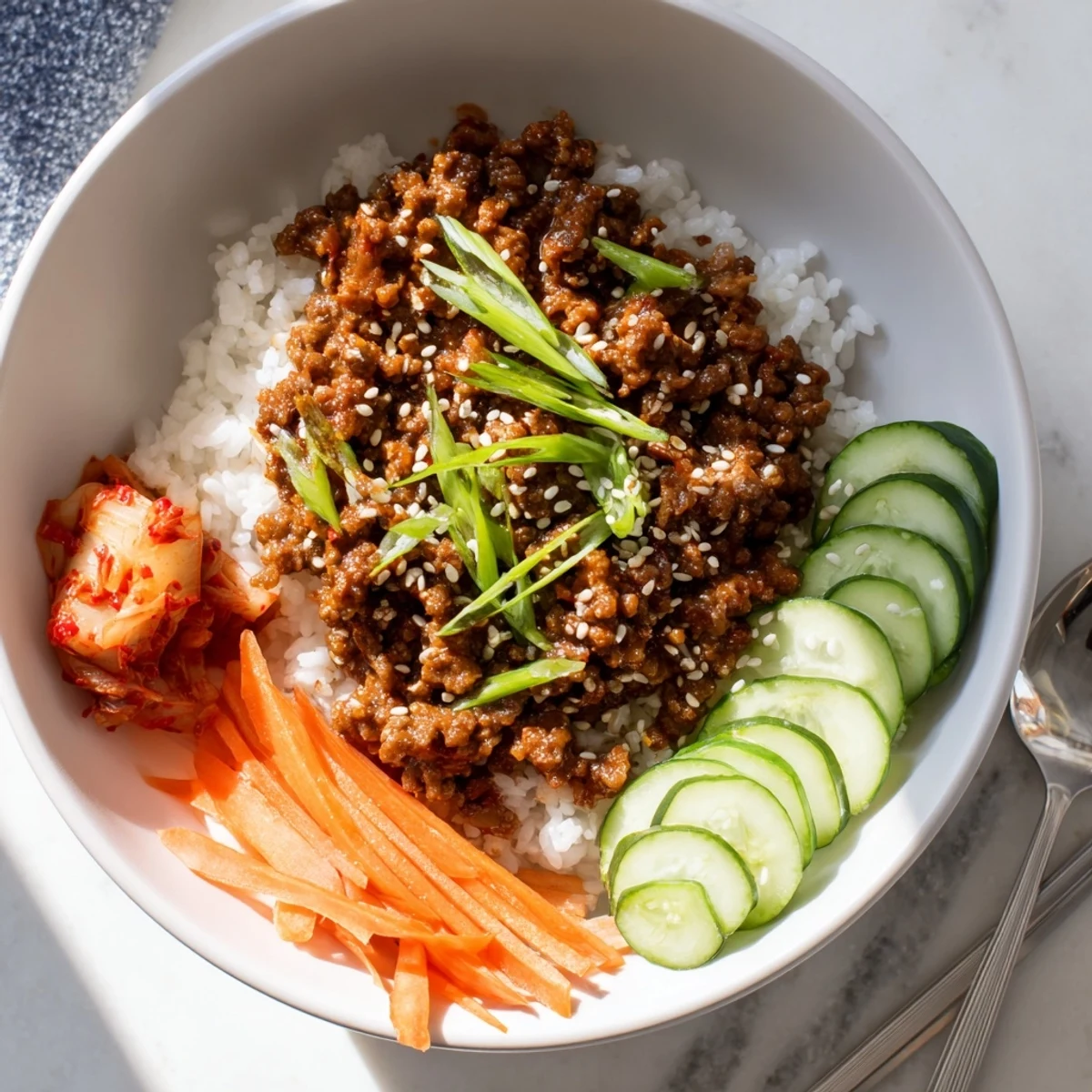
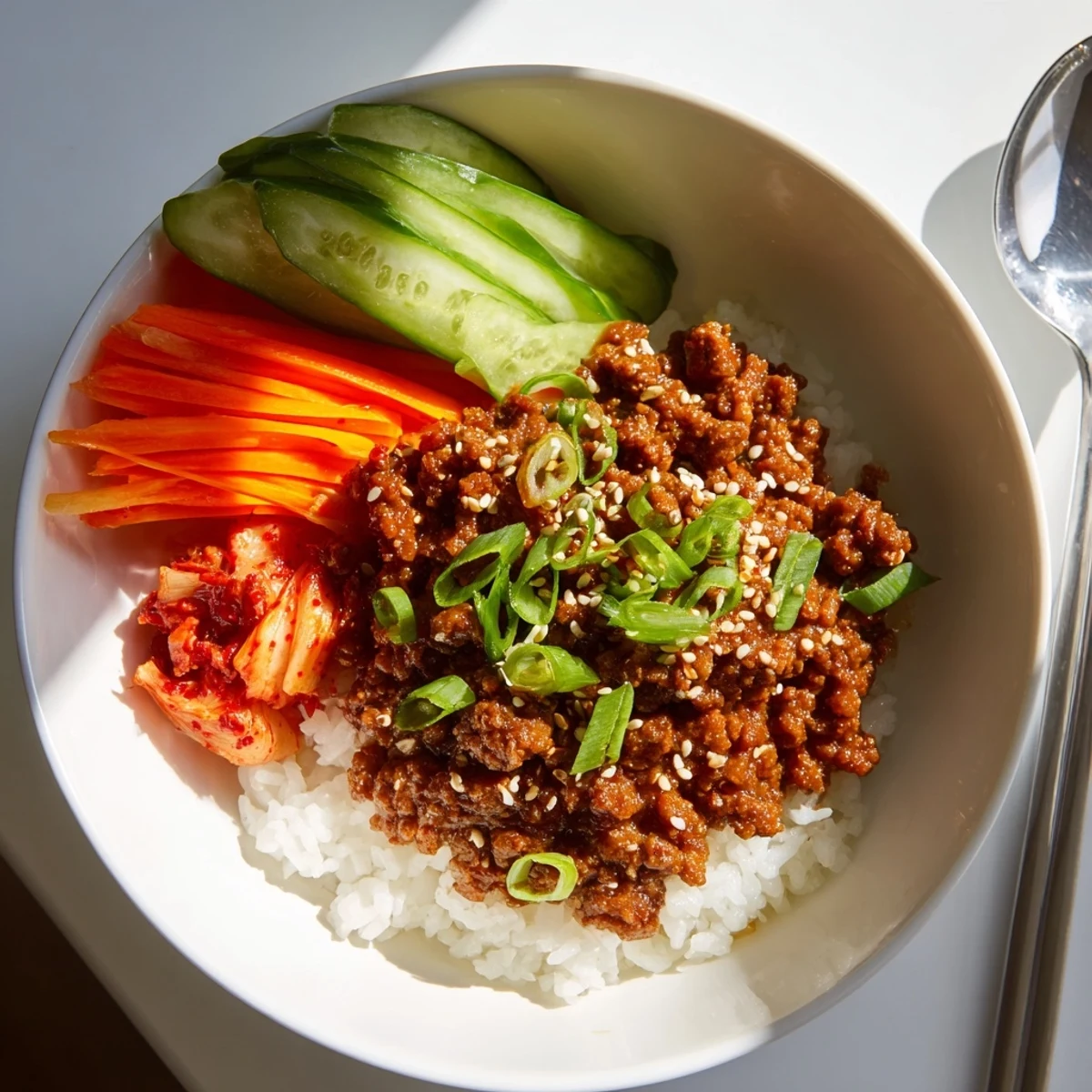
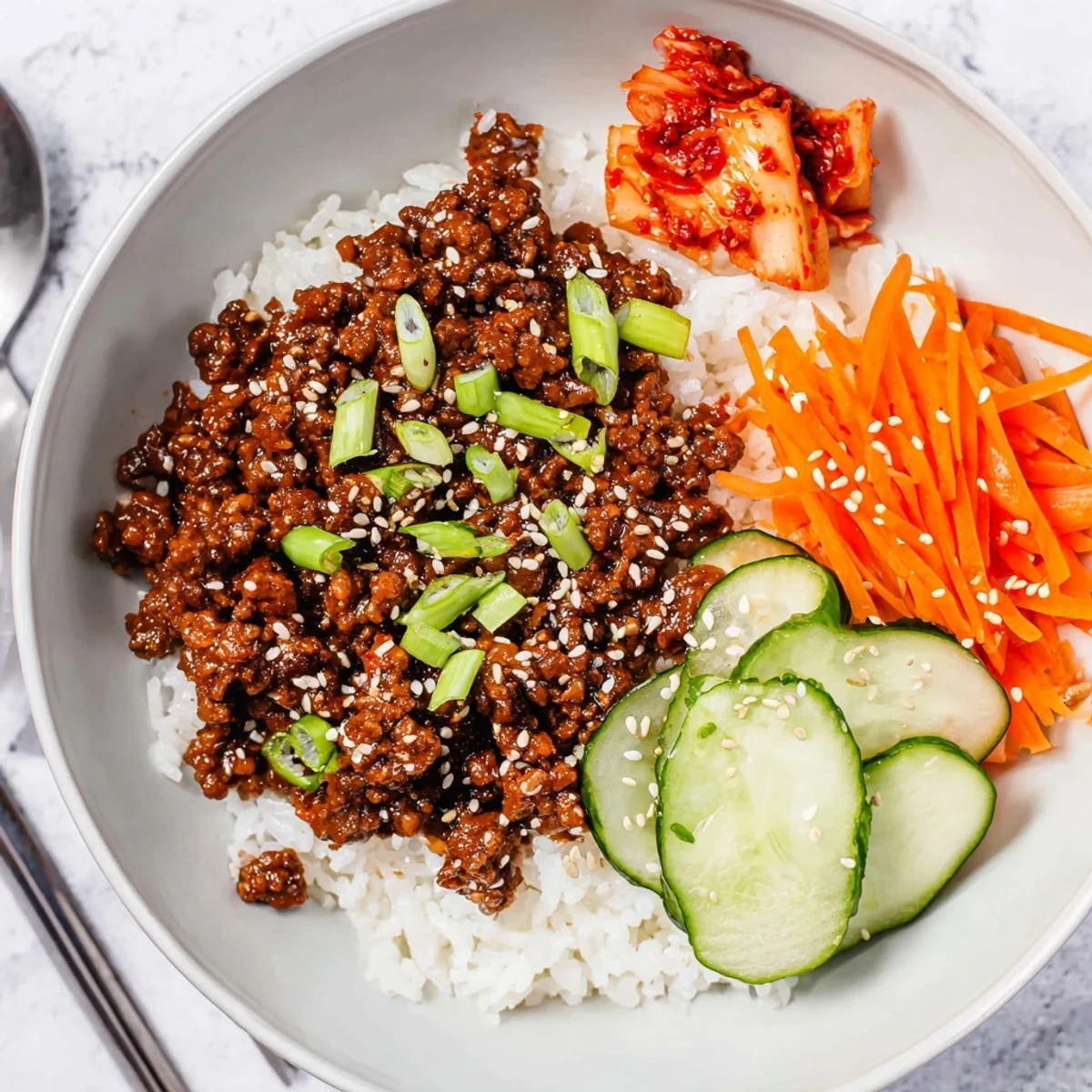
 This Korean ground beef bowl brings together lean browned beef and a bold sweet-and-spicy sauce made with soy, ginger, garlic, and gochujang. Served over fluffy jasmine rice and finished with sesame seeds, julienned carrot, cucumber, and green onions, it delivers a satisfying balance of savory, sweet, and heat.
Ready in just 25 minutes with minimal prep, this dish is perfect for busy weeknights. You can easily swap the beef for ground chicken or turkey, adjust the spice level to your liking, or top it with a fried egg for extra richness.
The sizzle of ground beef hitting a hot skillet on a Tuesday evening is one of those sounds that instantly signals dinner is close. I started making Korean ground beef bowls during a phase when takeout felt too expensive and real cooking felt too ambitious. The sauce came together from whatever bottles lived in my fridge door, and somehow it worked. That first batch was messy, a little too sweet, and absolutely devoured in ten minutes flat.
A friend once walked into my kitchen while I was building bowls for four people and declared it looked like a restaurant setup. I had bowls lined up on the counter, toppings scattered everywhere, and rice steaming in the background. We ended up eating standing around the kitchen island because nobody wanted to wait long enough to sit down. There is something about assembling your own bowl that makes everyone a little giddy.
Ingredients
- 1 lb (450 g) lean ground beef: Lean works best here because the sauce provides all the richness you need, and excess fat can make the bowl greasy.
- 2 cups cooked jasmine or short grain rice: Short grain rice clumps beautifully and soaks up sauce, but jasmine brings a lovely floral fragrance that works just as well.
- 1/4 cup low sodium soy sauce: Low sodium lets you control the salt level without losing that deep umami backbone.
- 2 tbsp brown sugar: This balances the salty soy and fiery chili flakes, creating that addictive sweet savory glaze.
- 1 tbsp sesame oil: A little goes a long way and adds an unmistakable toasty warmth unique to Korean cooking.
- 3 cloves garlic, minced: Fresh garlic minced right before cooking delivers a pungency that jarred garlic simply cannot match.
- 1 tbsp grated fresh ginger: Grate it finely so it melts into the sauce rather than leaving stringy bits behind.
- 1/2 to 1 tsp crushed red pepper flakes: Start with half a teaspoon and taste before adding more, the heat builds as the sauce simmers.
- 2 tsp rice vinegar: A subtle acidity that brightens the whole dish and keeps the sweetness from becoming cloying.
- 1 tbsp gochujang (optional): This Korean chili paste adds depth and a fermented kick that takes the flavor from good to extraordinary.
- 2 green onions, sliced: Slice them thinly on a sharp diagonal for visual appeal and a mild oniony crunch.
- 1 tbsp toasted sesame seeds: Toast them in a dry pan for a minute until golden and fragrant, it makes a surprising difference.
- 1 carrot, julienned: Thin strips add color and a refreshing crunch that breaks up the richness of the beef.
- 1 small cucumber, thinly sliced: Peel it or leave the skin on, either way it brings coolness to each bite.
- Kimchi (optional, for serving): Fermented, tangy, and spicy, kimchi is the traditional companion that ties everything together.
Instructions
- Whisk the sauce together:
- In a small bowl, combine the soy sauce, brown sugar, sesame oil, garlic, ginger, red pepper flakes, rice vinegar, and gochujang if you are using it. Whisk until the sugar dissolves and the mixture looks glossy and unified.
- Brown the beef:
- Heat a large skillet over medium high heat and add the ground beef, breaking it apart with a spatula as it cooks. Let it sit undisturbed for a minute here and there so real browning happens, which takes about 5 to 7 minutes total.
- Coat with sauce:
- Pour the sauce over the browned beef and stir well so every crumb gets covered. Let it simmer for 2 to 3 minutes until the sauce thickens slightly and clings to the meat like a glaze.
- Build the bowls:
- Divide the steamed rice among four bowls and spoon the saucy beef generously over each bed of rice. The warmth of the rice and beef together is what makes this dish so comforting.
- Finish with toppings:
- Scatter green onions, sesame seeds, julienned carrot, sliced cucumber, and kimchi over each bowl. Serve immediately while everything is hot and the toppings are still crisp.
 Pin It
 One winter evening I brought a massive pot of this beef to a potluck thinking it would be a humble contribution. It disappeared first, and three people texted me the next day asking for the recipe. That is when I realized a simple bowl of rice and saucy beef could genuinely bring people together.
Smart Swaps and Variations
Ground chicken or turkey works beautifully if you want something lighter, though you may need a splash of extra sesame oil to compensate for the lower fat content. Tamari swaps in seamlessly for a gluten free version without sacrificing any depth of flavor. A fried egg on top turns the whole bowl into something luxurious, with the runny yolk acting as an extra sauce.
What You Need in Your Kitchen
A large skillet with plenty of surface area lets the beef brown properly instead of steaming in a crowded pile. A sturdy spatula or wooden spoon for breaking up the meat is truly the only tool that matters here. Beyond that, a mixing bowl for the sauce and a sharp knife for the toppings will get you across the finish line.
Getting the Spice Level Right
The beauty of this recipe is how adjustable it is depending on who is eating. I learned the hard way that a full teaspoon of red pepper flakes plus gochujang is too much for friends who did not grow up with spicy food. Now I keep the heat modest in the pot and set extra gochujang and chili oil on the table so everyone can dial it to their own comfort.
- Start with less heat than you think you want and build up gradually.
- A dollop of sour cream or extra rice on the side can rescue a bowl that got too spicy.
- Always let people season their own bowls at the table for the happiest outcome.
 Pin It
 Keep this recipe in your back pocket for any night when you want something fast, bold, and deeply satisfying. It asks almost nothing of you and gives back far more than it should.
Recipe FAQs
- → Can I use ground chicken or turkey instead of beef?
-
Yes, ground chicken or turkey works well as a leaner alternative. Cook it the same way, breaking it apart until fully browned and no longer pink throughout.
- → How do I make this dish gluten-free?
-
Replace the soy sauce with tamari, which is gluten-free. Double-check that your gochujang and rice vinegar labels are also certified gluten-free.
- → What can I substitute for gochujang?
-
If you don't have gochujang on hand, you can use a mix of sriracha and a touch of miso paste. It won't be identical, but it adds similar depth and mild fermented heat.
- → How should I store leftovers?
-
Store the beef and rice separately in airtight containers in the refrigerator for up to 3 days. Reheat the beef in a skillet or microwave, and prepare fresh toppings when serving again.
- → What rice works best for this bowl?
-
Short-grain white rice or jasmine rice are ideal because they absorb the sauce well and have a slightly sticky texture. Brown rice also works if you prefer a nuttier, heartier base.
- → Can I meal-prep this in advance?
-
Absolutely. Cook the beef with the sauce and store it in portioned containers. Cook rice fresh or reheat pre-cooked rice, and keep toppings pre-chopped in separate containers for quick assembly.