
 Pin It
 This Japanese ramen brings together a deeply flavorful broth built from chicken or pork stock, miso paste, soy sauce, and aromatics like garlic and ginger. The broth simmers for 20 minutes, developing layers of umami richness before being strained to a silky consistency.
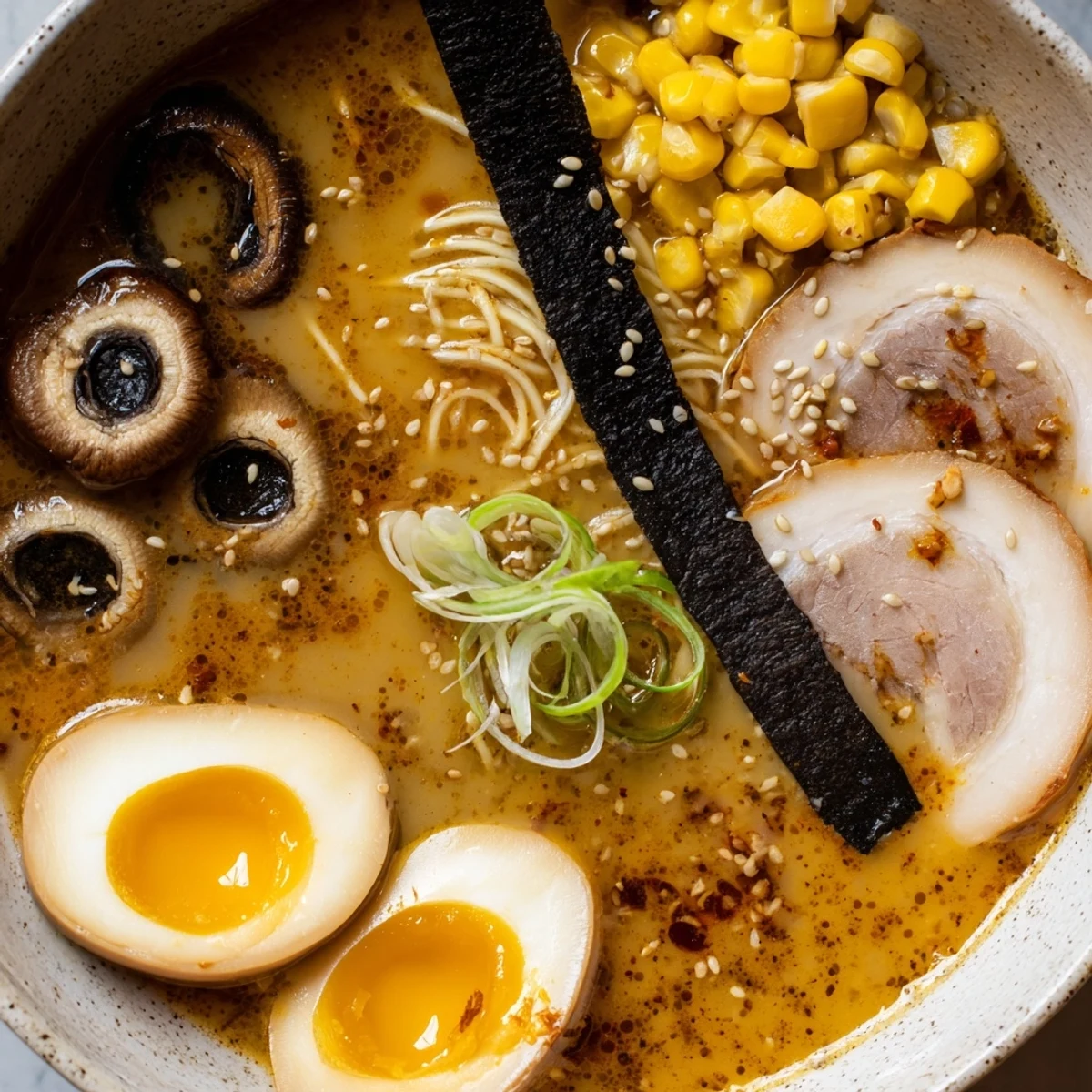
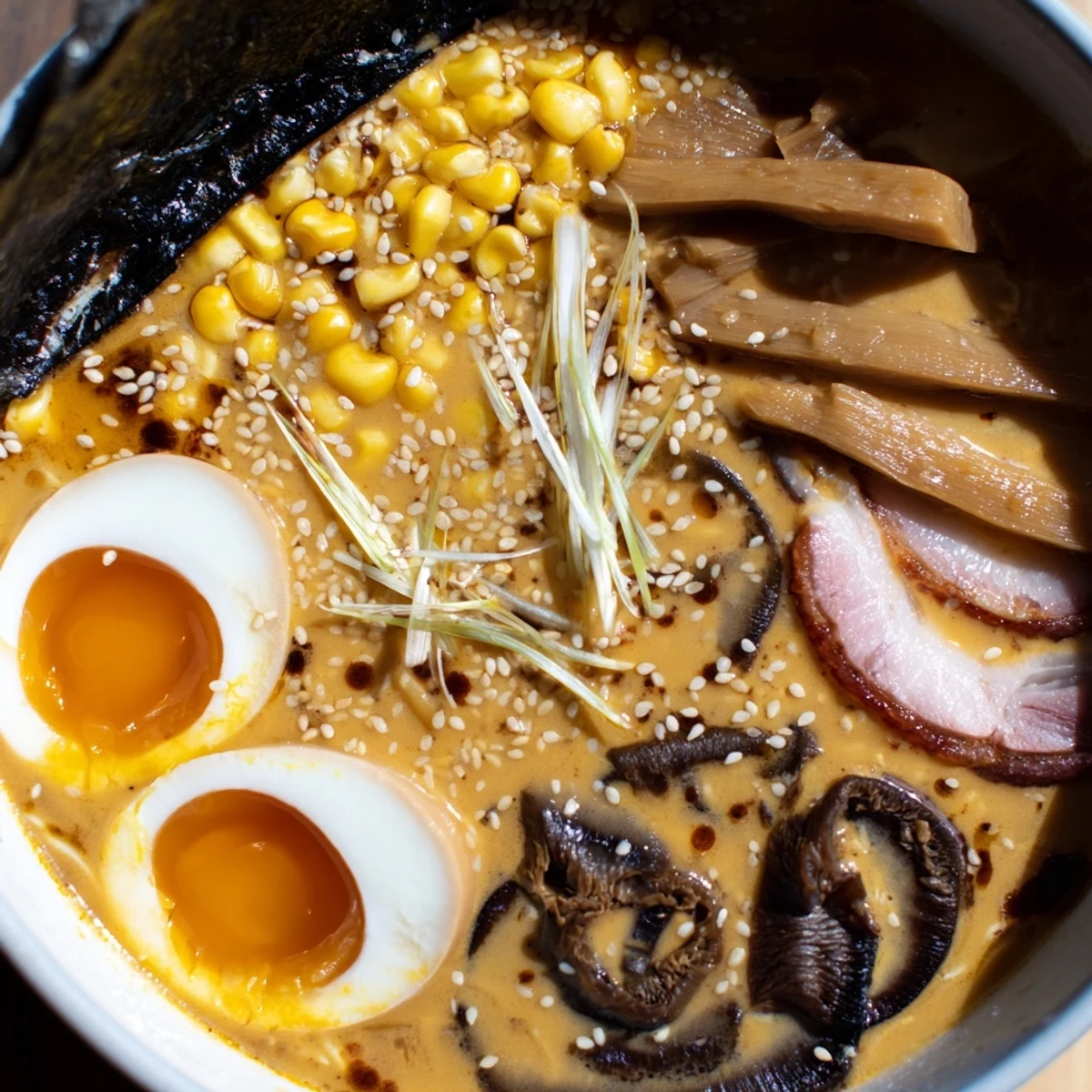
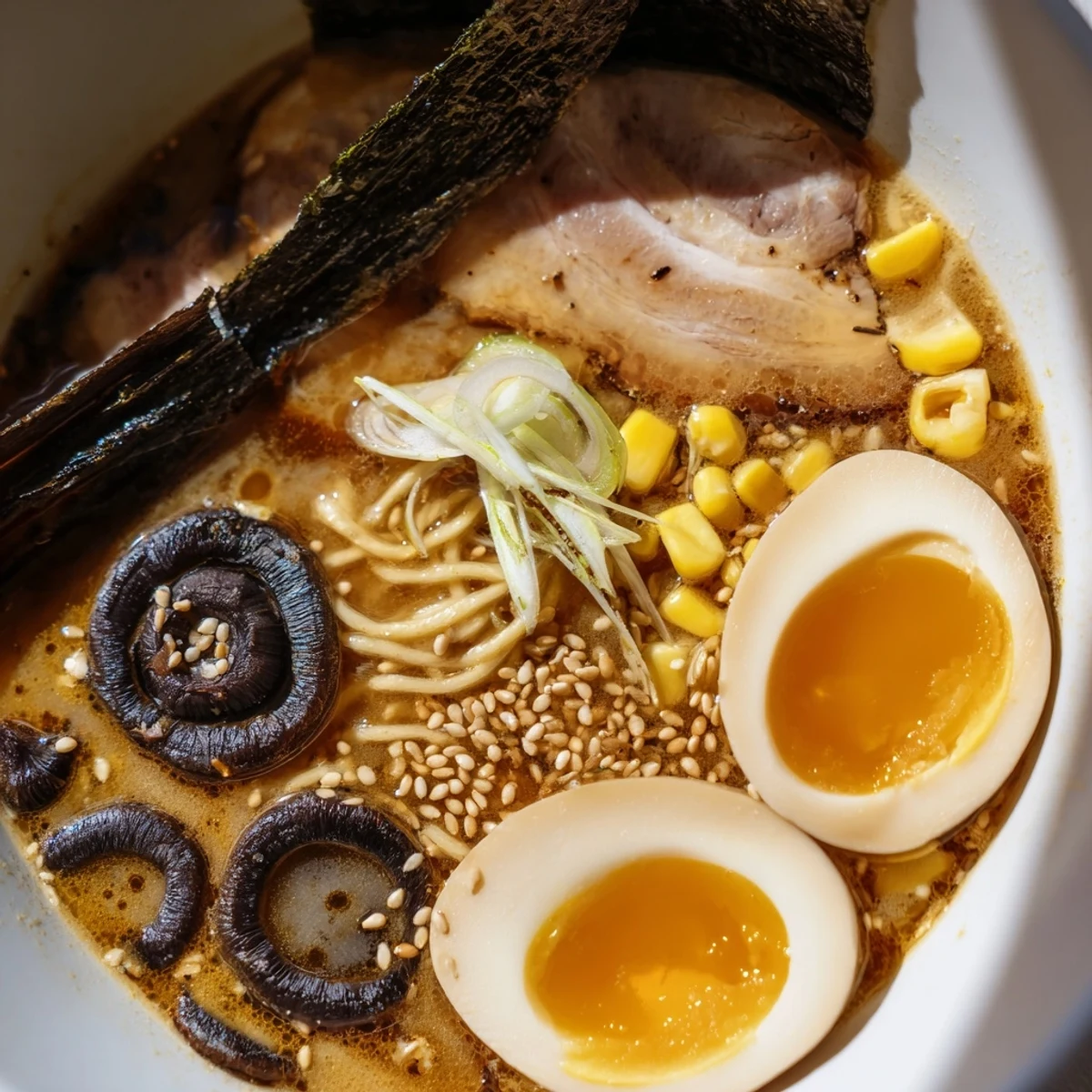
Fresh ramen noodles are cooked separately and divided among bowls, then generously ladled with the hot broth. Toppings transform each bowl into a complete meal: tender slices of pork belly or chicken breast, jammy soft-boiled eggs halved to reveal creamy yolks, earthy shiitake mushrooms, strips of nori, crisp spring onions, and crunchy bamboo shoots.
Finished with a scattering of toasted sesame seeds and customizable with chili oil or additional vegetables, this ramen delivers restaurant-quality results in about 50 minutes from start to finish.
The steam hit my face before I even lifted the bowl, carrying that deep, savory miso fragrance that instantly transported me to a tiny ramen shop in Osaka where I once waited forty minutes in the rain for a seat. That bowl cost eight dollars and changed everything I thought I knew about soup. Now I make it at home whenever the weather turns crisp and the kitchen feels like the only sane place to be.
My roommate walked in once while I was straining the broth and stood silently over the pot for a full minute before whispering that it smelled like his grandmothers kitchen in Sapporo. We ate in complete silence that night, which is honestly the highest compliment any meal can receive.
Ingredients
- Chicken or pork broth (1.5 liters): Use a good quality broth since this is the backbone of every spoonful you will taste.
- Soy sauce (2 tbsp): Adds that essential umami depth, so do not skip it or substitute with something timid.
- Miso paste (1 tbsp): Dissolve it into the hot broth off heat to preserve its live cultures and mellow sweetness.
- Sesame oil (2 tsp): Toasted sesame oil is what gives the broth its nutty, aromatic personality right from the first sauté.
- Garlic (2 cloves, minced): Fresh garlic makes a difference you can actually smell before it even hits the pan.
- Ginger (1 thumb-sized piece, sliced): Slice rather than mince so you can fish it out later without losing its warming bite.
- Mirin (1 tbsp): A splash of mirin rounds out the saltiness with a gentle sweetness that balances everything.
- Fresh ramen noodles (400 g): Fresh noodles have a springy chew that dried ones simply cannot replicate, so seek them out if possible.
- Soft-boiled eggs (2, halved): Cook them exactly six minutes for a jammy, golden yolk that looks beautiful in the bowl.
- Cooked pork belly or chicken breast (200 g, sliced): Pork belly is traditional and luxurious, but sliced chicken works beautifully when you want something lighter.
- Shiitake mushrooms (100 g, sliced): They soak up the broth and add an earthy, meaty bite that makes every spoonful more interesting.
- Nori (1 sheet, cut into strips): Tuck a few strips against the side of the bowl for that classic ramen shop presentation.
- Spring onions (2, thinly sliced): Scatter them on last for a fresh, sharp contrast to the rich broth.
- Bamboo shoots (100 g): They add a satisfying crunch and a subtle tang that cuts through the richness.
- Corn kernels (to taste): A handful of sweet corn kernels is surprisingly good and adds little bursts of sweetness.
- Toasted sesame seeds (to garnish): A final sprinkle ties everything together with color and a gentle crunch.
Instructions
- Build the broth:
- Heat sesame oil in a large pot over medium heat, then add garlic and ginger, stirring until your kitchen smells incredible. Pour in the broth, soy sauce, miso paste, and mirin, then let everything simmer gently for twenty minutes before straining out the solids.
- Cook the noodles:
- Follow the package instructions for your fresh ramen noodles, drain them well, and set aside while you prepare the rest. Do not overcook them because they will sit in hot broth and soften further.
- Prepare the toppings:
- Soft-boil your eggs for exactly six minutes in gently bubbling water, plunge them into ice water, peel, and halve them carefully. Slice your cooked meat, mushrooms, spring onions, and any other toppings you are using so everything is ready to assemble.
- Assemble the bowls:
- Divide the drained noodles among four warm bowls and ladle the hot strained broth generously over each portion. Arrange your sliced meat, halved eggs, mushrooms, nori strips, bamboo shoots, corn, and spring onions artfully on top, then finish with a scatter of sesame seeds.
- Serve immediately:
- Ramen waits for no one, so call everyone to the table before you even lift the ladle. Hand out chopsticks and spoons and enjoy while the broth is piping hot and the noodles are at their best.
 Pin It
 One January evening I served this to a friend who had just gone through a brutal breakup, and she paused mid-slurp to say it was the first thing in weeks that tasted like life was worth bothering with. Food does that sometimes.
What to Serve Alongside
A cold Japanese beer or a small cup of sake pairs beautifully with the rich, salty broth and somehow makes the whole meal feel like an occasion rather than just dinner. If you want something non-alcoholic, sparkling water with a squeeze of lime cuts through the richness perfectly.
Adapting for Dietary Needs
Vegetarian ramen is absolutely possible by swapping in a robust vegetable broth and replacing the meat with pan-fried tofu or extra mushrooms. Use gluten-free tamari instead of soy sauce and seek out rice-based noodles to make the entire bowl safe for gluten-sensitive guests.
Storing and Reheating
Store the broth separately from the noodles and toppings in the refrigerator for up to three days, since everything holds up well on its own but turns into a soggy mess combined. Reheat the broth until steaming and cook fresh noodles rather than reheating old ones.
- Fresh noodles truly are better the same day, so only cook what you plan to eat.
- Broth actually deepens in flavor overnight, making leftovers something to look forward to.
- Never microwave the egg unless you enjoy the smell of regret in your kitchen.
 Pin It
 Make this once and you will understand why people wait in long lines outside ramen shops in every city on earth. It is warm, deeply satisfying, and somehow worth every minute spent hovering over the stove.
Recipe FAQs
- → What type of noodles work best for ramen?
-
Fresh ramen noodles are ideal for their springy texture and ability to hold up in hot broth. If unavailable, look for dried ramen noodles or thin Chinese egg noodles as a substitute. Avoid instant ramen noodles unless you're short on time, as they lack the chewy texture that makes a great bowl.
- → Can I make ramen broth ahead of time?
-
Yes, ramen broth actually improves when made in advance. You can prepare it up to 3 days ahead and store it refrigerated in an airtight container. The flavors deepen and meld overnight. Reheat gently on the stovetop before assembling your bowls. You can also freeze broth for up to 2 months.
- → How do I achieve the perfect soft-boiled egg for ramen?
-
Bring water to a gentle boil, then lower the eggs in carefully. Cook for exactly 6 minutes for a jammy, slightly runny yolk. Immediately transfer to an ice bath to stop cooking. Peel gently under running water. For extra flavor, you can marinate peeled eggs in a mixture of soy sauce, mirin, and water for 2 to 4 hours before serving.
- → What can I substitute for pork belly?
-
Chicken breast works well as a lighter alternative. For a vegetarian version, use extra-firm tofu pressed and pan-fried until golden. Sliced tempeh or seitan also provide satisfying protein. Chashu-style braised pork shoulder is another traditional option if you want to invest more preparation time.
- → How do I store and reheat leftover ramen?
-
Store broth and noodles separately to prevent noodles from becoming mushy. Keep broth in the refrigerator for up to 3 days and cooked noodles for up to 2 days. Reheat broth on the stovetop until simmering, then pour over noodles. Toppings like eggs and meat should be stored separately and reheated gently or served at room temperature.
- → Is there a gluten-free option for ramen noodles?
-
Traditional ramen noodles contain wheat, but gluten-free alternatives exist. Look for rice-based ramen noodles or gluten-free varieties made from millet or buckwheat. You'll also need to substitute tamari for soy sauce and use gluten-free miso paste. Always check labels to ensure all ingredients meet your dietary needs.