
 Pin It
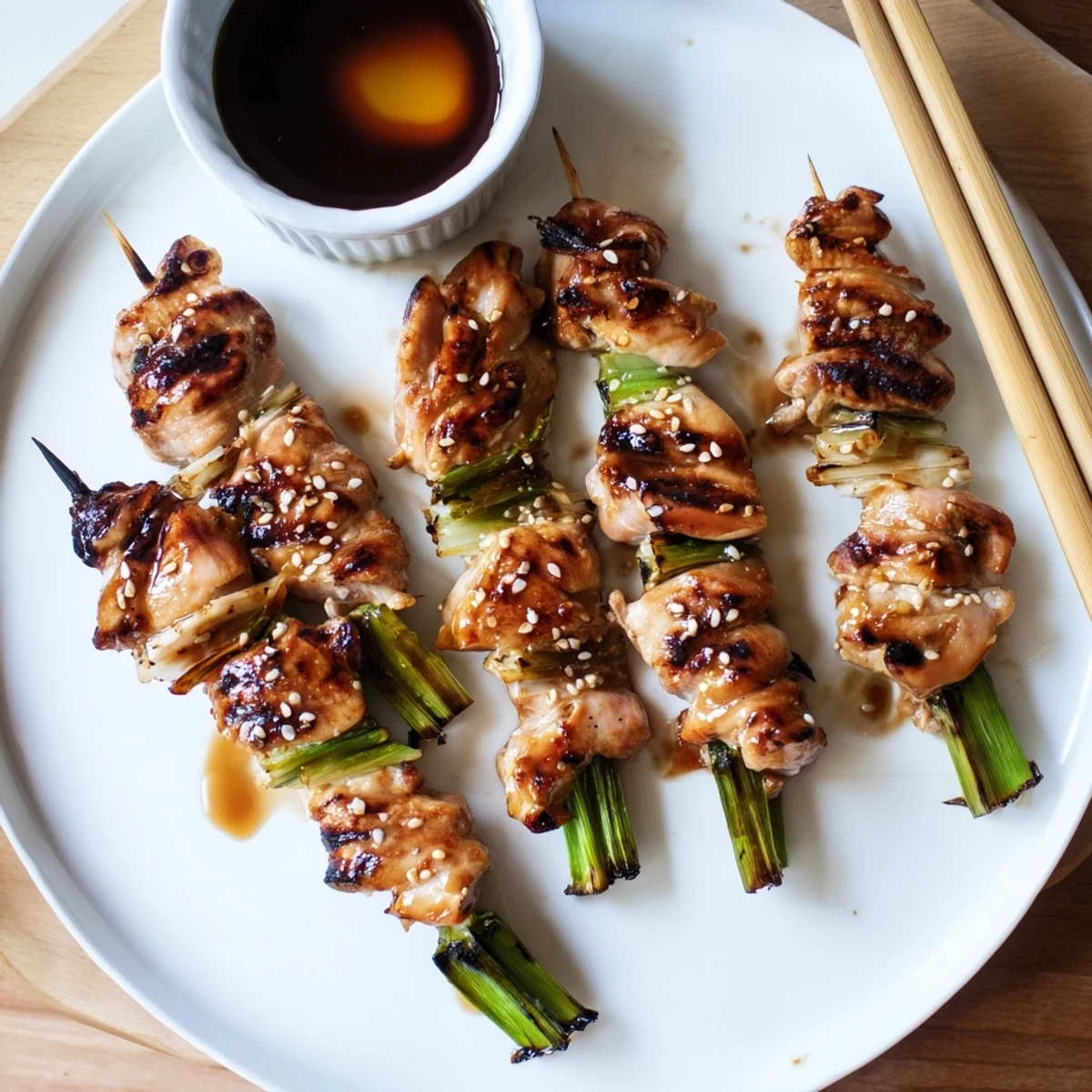
 Cut boneless chicken thighs into even 3-4 cm pieces and thread with scallions onto soaked bamboo skewers. Simmer soy, mirin, sake, sugar, garlic and ginger until slightly thickened; reserve half for basting. Grill over medium-high heat 8-10 minutes, turning and frequently basting until glossy and cooked through. Serve hot with extra tare, shichimi or sesame, and steamed rice.
The smell of charcoal and caramelized soy sauce drifting from a tiny stall near Shinjuku station changed everything I thought I knew about chicken. I watched the vendor baste skewers with practiced flips, barely glancing down, while the sauce hissed and blackened just slightly against the grill. Back home in my own kitchen, I became obsessed with recreating that glossy, sticky perfection without a yard or a hibachi. Turns out, a broiler and a little patience get you remarkably close.
I made these for my neighbor Kenji one humid July evening when the air conditioner had given up and cooking inside felt unbearable. We stood by the broiler taking turns with the basting brush, laughing at how ungraceful my first attempts at threading skewers looked compared to his neat, even rows. He told me his grandmother in Osaka never measured anything for her tare, just poured and tasted until it felt right.
Ingredients
- 600 g boneless, skinless chicken thighs: Thighs are nonnegotiable here because the extra fat renders during grilling and keeps each bite succulent in a way breast meat simply cannot manage.
- 2 spring onions (scallions), cut into 3 cm pieces: These provide a mild, sweet crunch that breaks up the richness of the chicken between bites.
- 8 bamboo skewers: Soak them well or they will char into ash before the chicken is done, a lesson I learned with a kitchen full of smoke.
- 100 ml soy sauce: Use a decent Japanese brand if you can find one because the saltiness and depth vary wildly between bottles.
- 50 ml mirin: This sweet rice wine is what gives the glaze its lacquered shine and gentle sweetness.
- 2 tbsp sake: It deglazes the saltiness of the soy and adds a subtle complexity that sugar alone cannot replicate.
- 2 tbsp sugar: Plain white sugar works beautifully to thicken the sauce as it reduces.
- 1 garlic clove, minced (optional): I always include it because raw garlic simmered into tare adds a savory punch that feels essential, not optional.
- 1 tsp grated fresh ginger: Grate it finely so it melts into the sauce rather than catching in clumps.
Instructions
- Soak the skewers:
- Submerge your bamboo skewers in a tall glass or pitcher of water for at least 30 minutes so they survive the heat without igniting.
- Cut and thread the chicken:
- Slice the thighs into even, bite sized pieces about 3 to 4 cm across, then thread them onto skewers alternating with spring onion pieces so every skewer looks balanced.
- Make the tare sauce:
- Combine soy sauce, mirin, sake, sugar, garlic, and ginger in a small saucepan, bring it to a bubbling boil over medium heat, then let it simmer for 5 to 7 minutes until it coats the back of a spoon, splitting the batch so half stays clean for serving.
- Heat the grill or broiler:
- Crank your grill, broiler, or barbecue to medium high and let it get properly hot before the skewers go anywhere near it.
- Grill and baste:
- Lay the skewers over the heat and cook for 8 to 10 minutes, turning them every couple of minutes and brushing generously with the reserved basting sauce until the chicken gleams and chars at the edges.
- Serve immediately:
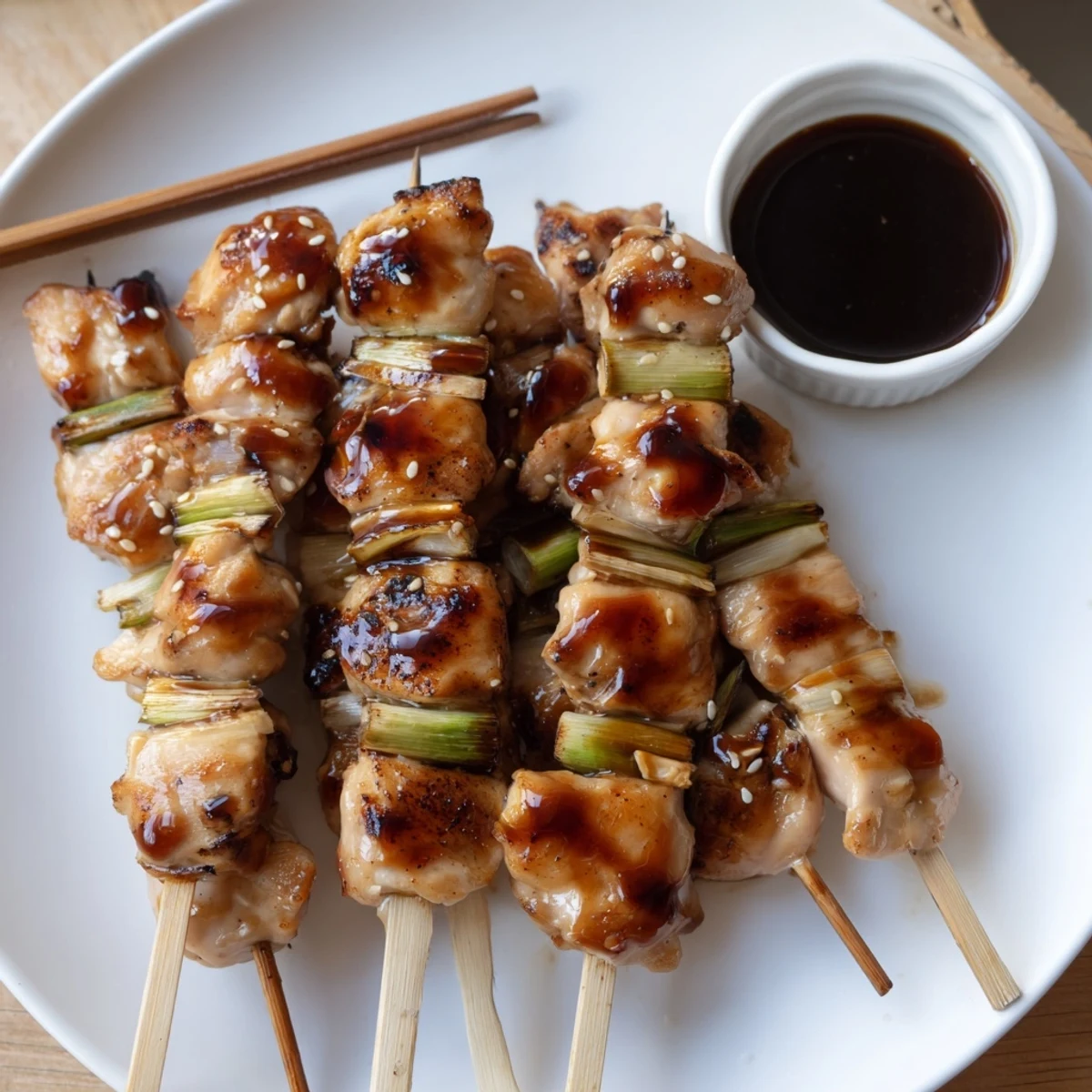
- Pull the skewers off the heat and serve them hot with the remaining sauce drizzled on top, because yakitori waits for no one.
 Pin It
 There is something about handing someone a warm skewer glazed with sticky sauce that makes conversation flow more easily than any dinner plate ever could.
What to Serve Alongside
Steamed short grain rice is the obvious companion, but a cold beer or chilled sake alongside these skewers turns a weeknight dinner into something that feels like a celebration. I have also served them with a simple cucumber sunomono salad when I want something sharp and acidic to cut through the sweetness.
Making It Your Own
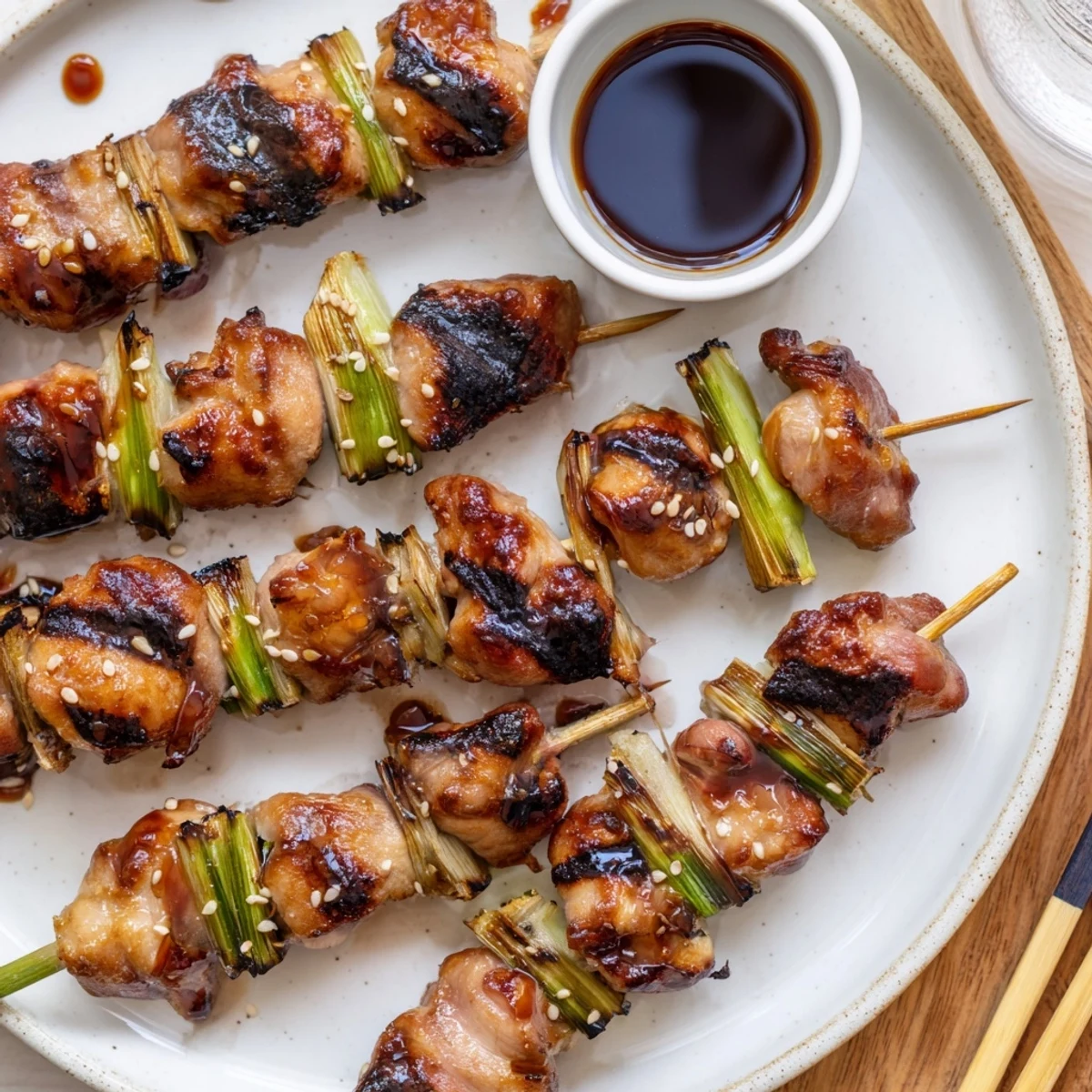
Sometimes I thread shiitake mushrooms or pieces of Japanese leek between the chicken for variety, and a shake of shichimi togarashi at the end gives the glaze a prickly warmth that catches in the back of your throat in the best way. Toasted sesame seeds scattered over the top add a nutty crunch that photographs beautifully but also genuinely tastes good.
Storing and Reheating
Leftover yakitori keeps well in the refrigerator for up to two days and reheats under a broiler in about three minutes, though honestly it rarely lasts that long in my house. The sauce on its own stores in a jar for a week and improves as the flavors meld.
- Reheat gently because aggressive heat will burn the sugar in the glaze before the chicken warms through.
- Freeze extra skewers without sauce for up to a month, then baste fresh when you cook them.
- Always make extra tare because you will run out and wish you had more.
 Pin It
 Once you master this tare, you will find yourself reaching for it on random Tuesday nights when nothing else sounds right. Keep a batch in your fridge and weeknight dinners suddenly have a little more magic in them.
Recipe FAQs
- → How long should bamboo skewers soak?
-
Soak bamboo skewers for at least 30 minutes to prevent burning; longer soaking helps with thicker skewers. Keep them submerged in cold water until ready to use.
- → Can I use chicken breast instead of thighs?
-
Yes. Chicken breast is leaner and cooks faster, so cut into uniform small pieces and watch closely to avoid drying. Thighs stay juicier and more forgiving on the grill.
- → How can I tell when the chicken is cooked through?
-
Pieces should be opaque with no pink in the center and reach about 74°C (165°F) at the thickest point. Juices should run clear and the glaze should appear glossy and slightly caramelized.
- → What are good substitutes for mirin?
-
Use a mix of rice vinegar plus a little sugar, or a dry sherry with added sugar. Adjust sweetness to mimic mirin's subtle sweetness without overpowering the tare.
- → How do I get a shiny, sticky tare glaze?
-
Simmer the sauce until it reduces slightly, baste frequently while cooking, and finish with a few quick high-heat turns to caramelize the sugars without burning for a glossy finish.
- → What are simple serving and seasoning suggestions?
-
Serve hot with steamed rice, pickles, or grilled vegetables. Sprinkle with shichimi togarashi or toasted sesame seeds, and pair with chilled sake or a light beer for balance.