
 Pin It
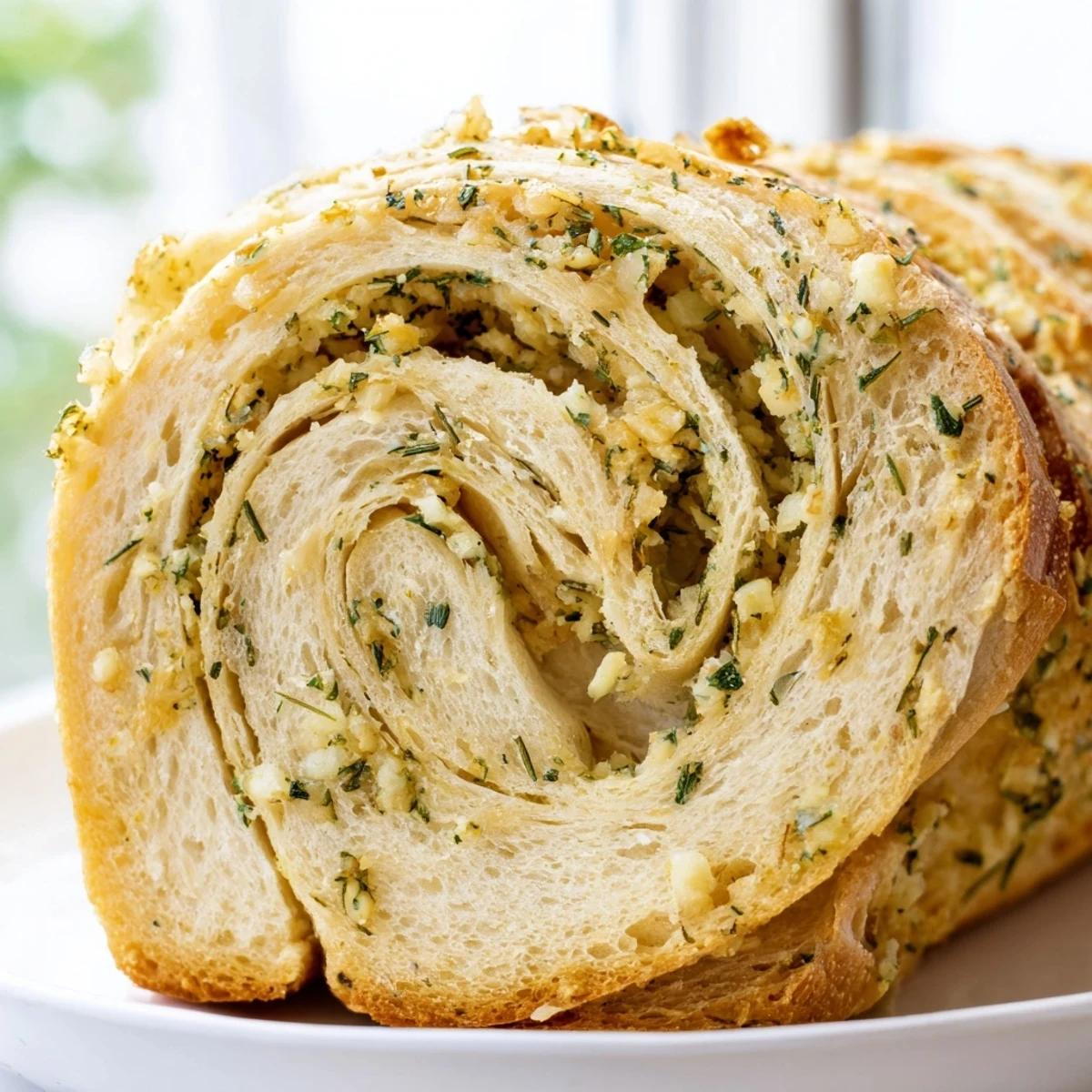
 Master the art of creating bakery-style garlic and herb bread with this straightforward method. The dough combines flour, yeast, and warm water, then rises until doubled. Meanwhile, blend softened butter with minced garlic, parsley, rosemary, chives, and seasonings.
After kneading the dough until smooth and elastic, roll it into a rectangle and spread the aromatic butter mixture evenly. Roll tightly, place in a loaf pan, and let rise again before baking at 350°F for 30-35 minutes. The result is a golden, fragrant loaf that sounds hollow when tapped—indicating perfect doneness.
This versatile bread pairs wonderfully with soups, pasta dishes, or serves as an impressive appetizer. The combination of fresh herbs creates layers of flavor, while the butter ensures a tender, moist crumb throughout.
The smell of garlic butter melting into warm bread still transports me back to my first apartment, where I'd bake this on Sunday mornings just to make the whole floor smell amazing. My neighbor actually knocked on my door once to ask what kind of restaurant I was running in there. That's when I knew this recipe was something special—it turns a regular dinner into an occasion.
Last winter my sister came over after a terrible week at work, and I pulled this fresh loaf out of the oven right as she walked through the door. She took one bite, closed her eyes, and said this was exactly what she needed—warm, comforting, and homemade. We ate almost the entire thing standing at the counter while catching up.
Ingredients
- 3 cups all purpose flour: This creates just the right structure—too little and the bread collapses, too much and it becomes dense. I've learned to measure by weight when possible.
- 1 packet active dry yeast: Make sure your water is warm, not hot—about 110°F feels like bathwater to your wrist. Hot water kills yeast, and cold water makes it sluggish.
- 1 tsp sugar: This isn't for sweetness. It feeds the yeast and helps it bloom faster. I once skipped it thinking it didn't matter, and my rise took twice as long.
- 1 tsp salt: Essential for flavor and structure. It tightens the gluten network, so don't omit it even if you're watching sodium.
- 1 cup warm water: The temperature matters more than you'd think. Too cold and the yeast sleeps, too hot and it dies.
- 2 tbsp olive oil: Keeps the dough tender and adds subtle richness. Any neutral oil works here, but olive gives the best flavor.
- 4 tbsp unsalted butter: Room temperature spreads so much more evenly. I've tried melting it, but it just pools in the spiral instead of coating everything.
- 4 cloves garlic: Fresh is absolutely worth it here. The sharp, raw sweetness transforms into something mellow and magical when baked.
- 2 tbsp fresh parsley: Adds bright, grassy notes that cut through the richness. Dried works in a pinch, but fresh makes it taste restaurant quality.
- 1 tbsp fresh rosemary: Piney and aromatic. A little goes a long way, so chop it finely to distribute evenly.
- 1 tbsp fresh chives: Mild onion flavor that rounds out the garlic. They add a beautiful green speckle throughout.
- ½ tsp black pepper: Adds a gentle warmth that makes all the herbs pop more.
- ¼ tsp salt: Just enough to season the butter without overpowering the herbs.
Instructions
- Wake up the yeast:
- Stir sugar, yeast, and warm water in a large bowl and walk away for 5 minutes. You should see bubbles forming and a foamy layer on top—that's how you know it's alive and working.
- Build the dough:
- Add flour, salt, and olive oil to the yeast mixture. Mix with a spoon until it looks shaggy and messy, then turn it onto a floured surface.
- Knead with confidence:
- Push the dough away with your palm, fold it back, turn it slightly, and repeat. After 8 to 10 minutes, it should feel smooth, elastic, and bounce back when you poke it.
- Let it rise:
- Place dough in an oiled bowl, turning once to coat all sides. Cover and put it somewhere warm—my oven with just the light on works perfectly. Wait about an hour until it's doubled in size.
- Make the magic butter:
- While dough rises, mix softened butter with garlic, parsley, rosemary, chives, pepper, and salt until combined. Letting this sit helps the flavors meld.
- Roll and spread:
- Punch down the dough gently and roll it into roughly a 9 by 13 inch rectangle. Spread the garlic butter evenly, leaving a small border around the edges.
- Roll it tight:
- Starting from a short end, roll the dough into a tight cylinder. Pinch the seam closed and place it seam side down in a greased loaf pan.
- Second rise:
- Cover and let it rest for 30 minutes. It should puff up noticeably but doesn't need to double again. Preheat your oven to 350°F.
- Bake until golden:
- Bake for 30 to 35 minutes until the top is deeply golden and the loaf sounds hollow when you tap the center.
- Rest before slicing:
- Cool in the pan for 10 minutes, then turn out onto a wire rack. Cutting too soon will steam the bread and make it gummy inside.
 Pin It
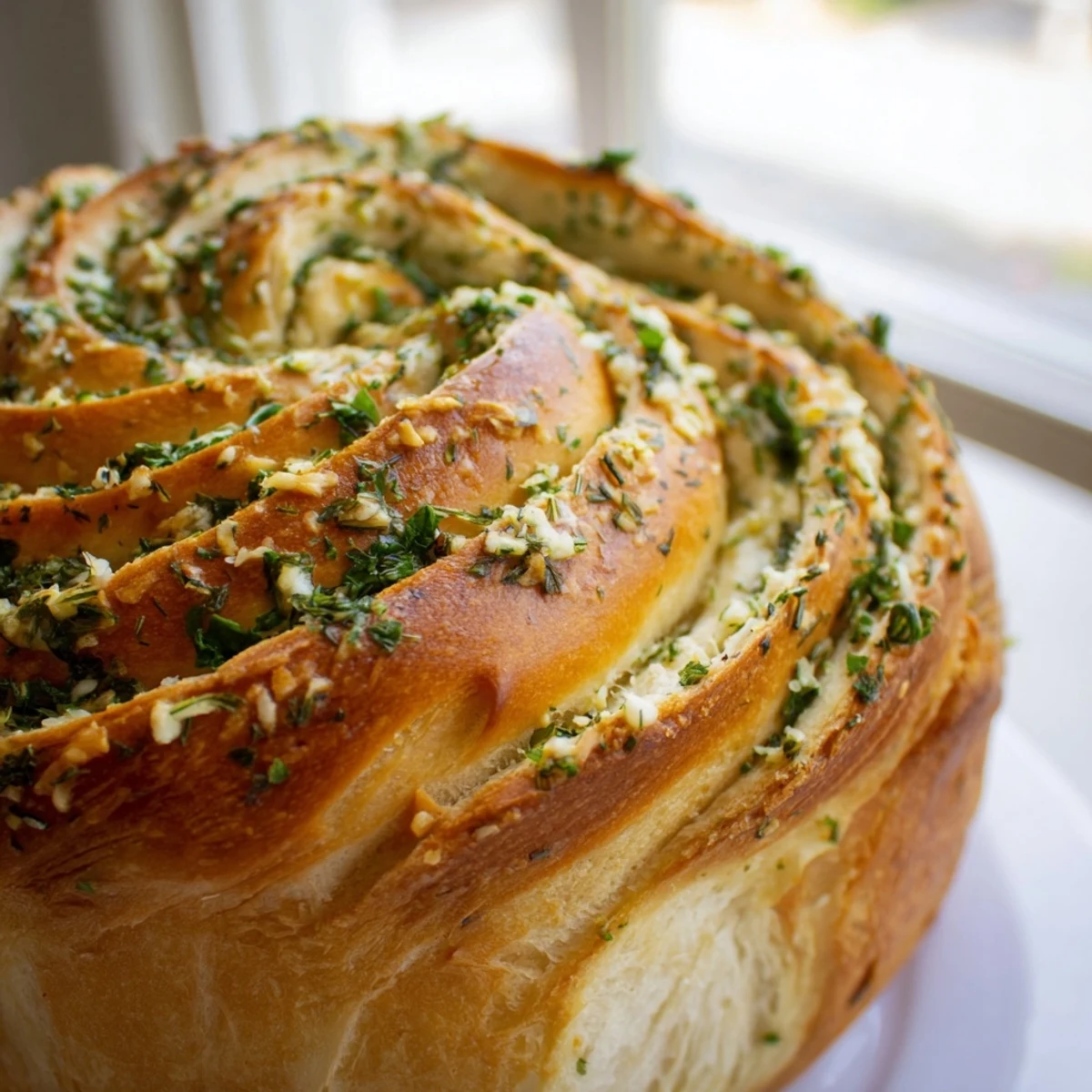
 This bread became my go-to housewarming gift after I brought it to a friend's dinner party and everyone kept asking who made it. There's something about pulling apart warm, herb spiraled bread that makes people immediately comfortable.
Making It Your Own
I've experimented with adding grated parmesan to the butter mixture, and let me tell you—that's a game changer. Just ½ cup mixed into the garlic butter creates these savory, salty pockets that everyone fights over. Sometimes I'll add a pinch of red pepper flakes too, just to give it a gentle kick.
Timing Secrets
The dough needs warmth to rise properly. In winter, I'll preheat my oven for exactly 60 seconds, turn it off, then place the dough inside with the door closed. The residual heat creates the perfect cozy environment. Another trick—put your bowl on top of your refrigerator while it rises, the heat from the motor helps.
Storage And Serving
This bread is best eaten the same day, but if you have leftovers, wrap them tightly and freeze within 24 hours. Reheat frozen slices in a 350°F oven for about 10 minutes to recrisp the crust. Never store garlic bread in the refrigerator—the cold makes the butter solid and the bread tough.
- Warm slices for 30 seconds in the microwave if you're in a hurry
- Wrap extra loaves in foil and freeze before baking for homemade convenience bread
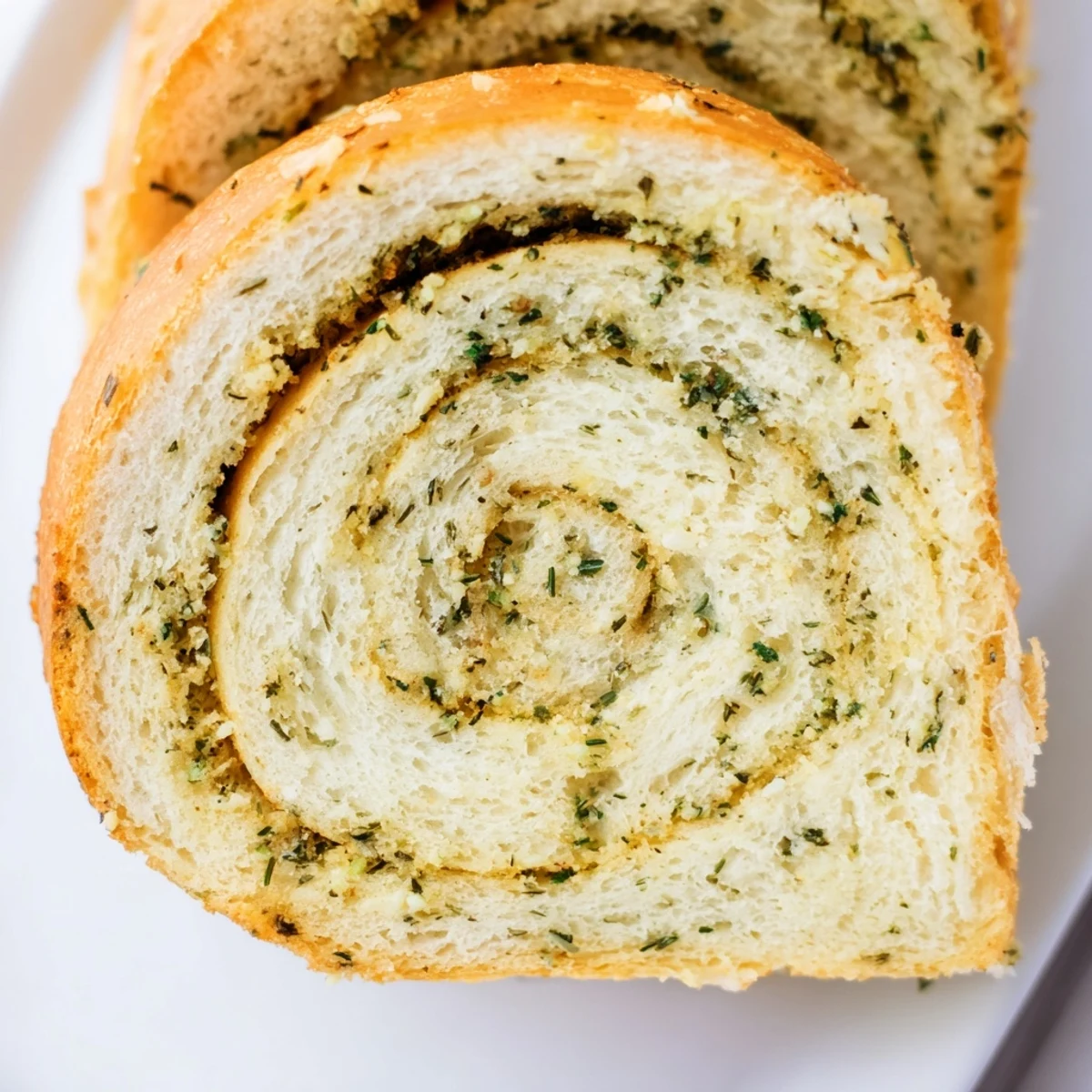
- Slice with a serrated knife using a gentle sawing motion to preserve those beautiful spirals
 Pin It
 There's honestly nothing better than tearing into a warm slice of this bread, watching steam rise off those garlicky spirals. Hope it becomes a staple in your kitchen like it has in mine.
Recipe FAQs
- → Can I use dried herbs instead of fresh?
-
Yes, substitute the fresh herbs with 1½ teaspoons of dried mixed Italian herbs. Reduce the amount slightly as dried herbs are more concentrated in flavor than fresh.
- → How do I know when the bread is fully baked?
-
The bread is done when it achieves a deep golden brown color and sounds hollow when tapped on the bottom. An instant-read thermometer inserted into the center should read 190-200°F.
- → Can I make this bread vegan?
-
Absolutely. Replace the unsalted butter with plant-based butter or vegan margarine. The texture and flavor will remain equally delicious while accommodating dairy-free dietary needs.
- → How should I store leftover bread?
-
Wrap the cooled loaf tightly in plastic wrap or foil and store at room temperature for up to 2 days. For longer storage, slice and freeze in a resealable bag for up to 3 months. Reheat in a 350°F oven for 10 minutes.
- → Why did my dough not double in size?
-
This typically indicates inactive yeast or insufficient warmth for rising. Ensure your water temperature is between 110-115°F—too hot kills yeast, while too cold slows activation. Find a warm, draft-free spot for rising, ideally 75-80°F.
- → Can I prepare the dough ahead of time?
-
Yes, after the first rise, punch down the dough, wrap tightly, and refrigerate overnight. Let it come to room temperature for 30 minutes before proceeding with shaping and the second rise.