
 Pin It
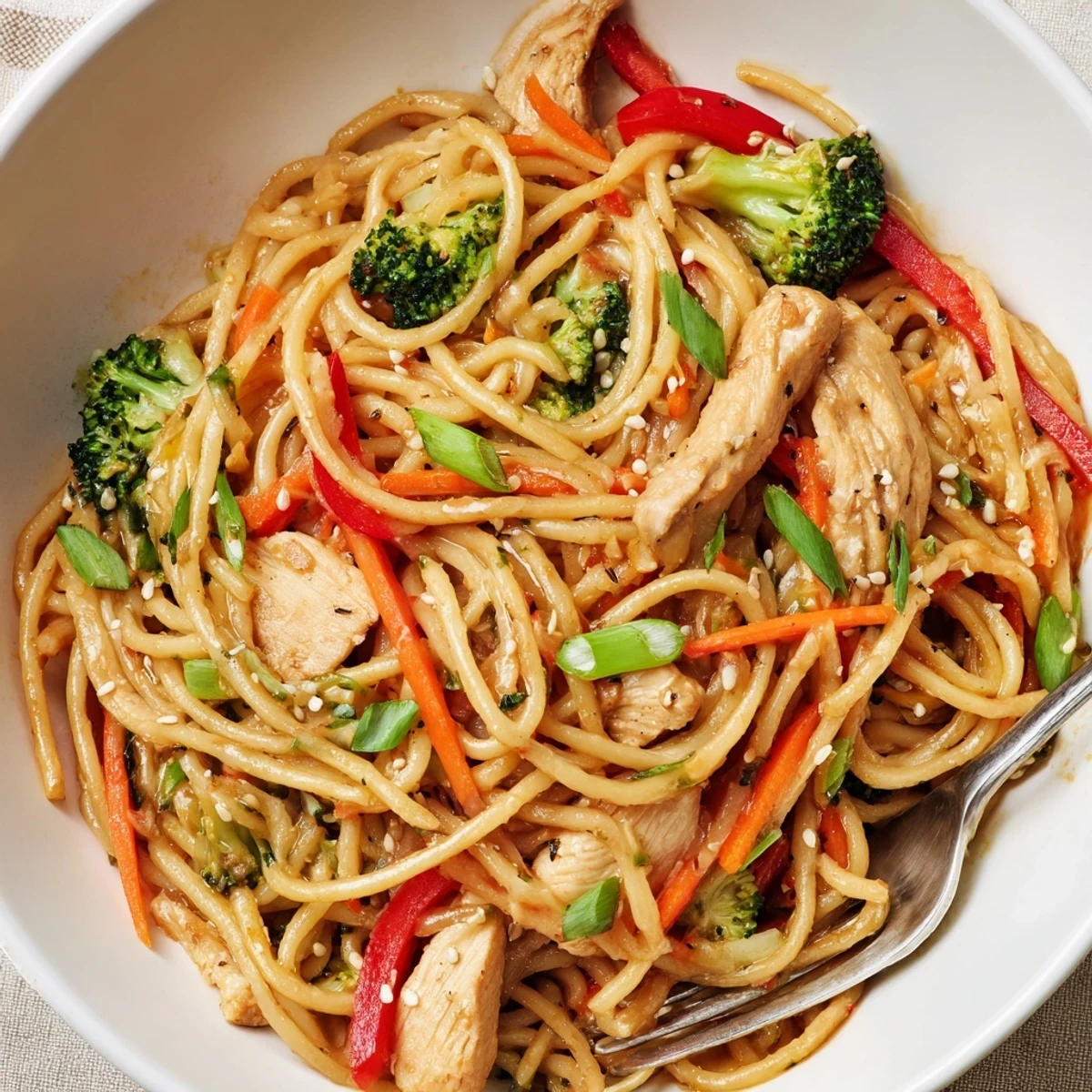
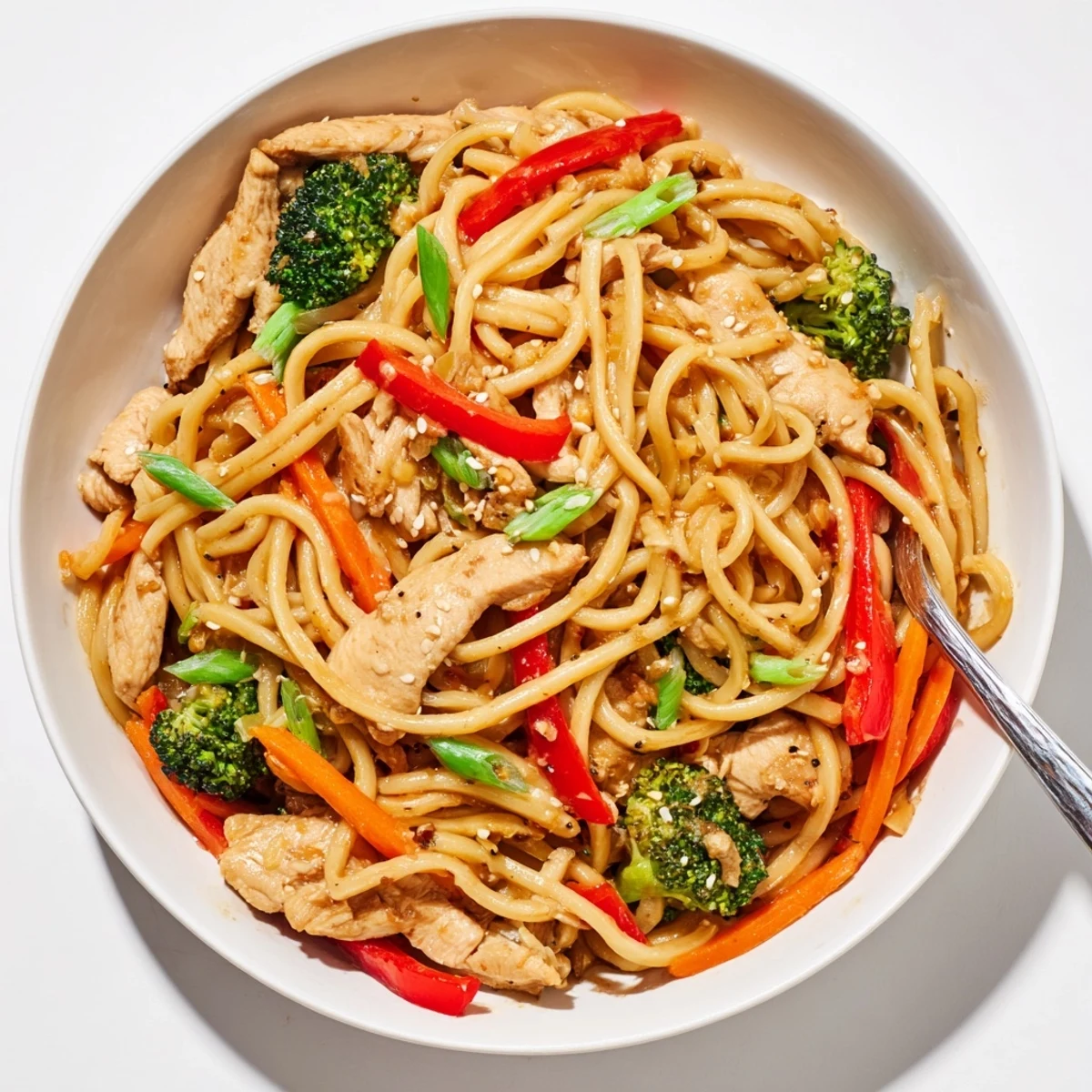
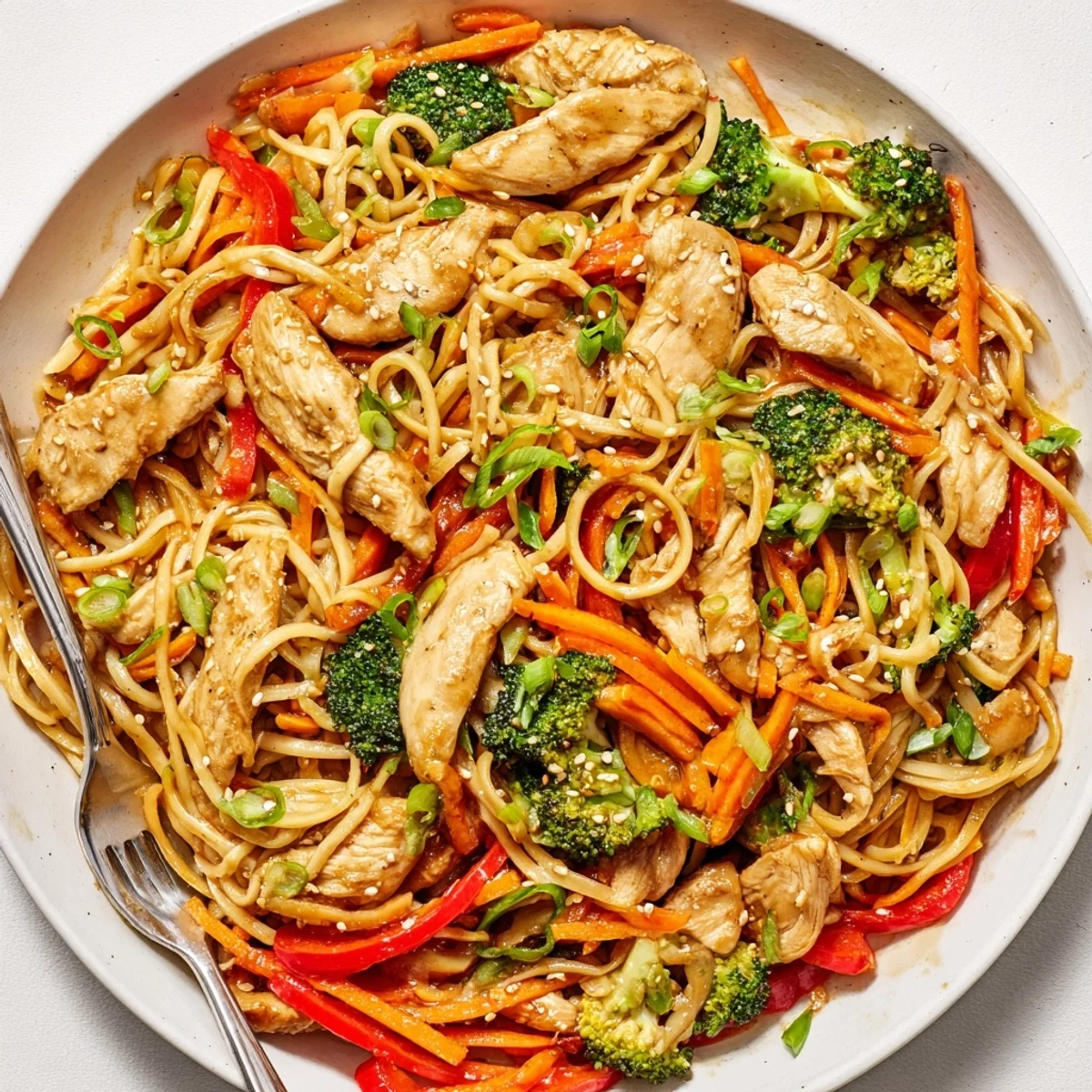
 Ready in about 40 minutes, this lo mein combines thinly sliced chicken with broccoli, bell pepper and carrots, all tossed with lo mein noodles in a savory garlic-ginger sauce. Cook noodles first and set aside, stir-fry chicken until just cooked, soften vegetables briefly, then return everything to the wok and toss with the sauce to glaze. Finish with sesame oil and green onions for brightness; add snap peas or tofu for variation.
The first time the fragrant sizzle of garlic hit the wok for this dish, the whole apartment seemed to pause. I wasn’t aiming for restaurant perfection—just something that would satisfy the craving for takeout on a Tuesday night. With each handful of bright veggies and tangles of noodles, it’s the savory aroma that called everyone to the kitchen. Now, even rainy evenings feel warmer when this lo mein is on the stove.
I still laugh thinking back to the time my friend tried to help and sent a flurry of lo mein noodles flying across the counter. We ended up picking them up, dusting ourselves off, and making an extra plate. Moments like that transformed this recipe from a weeknight meal into a group adventure in stir-fry chaos. Even clean-up somehow felt lighter that night.
Ingredients
- Boneless, skinless chicken breast: Slicing the chicken thinly lets it absorb the sauce and stay tender; flash freezing for 15 minutes before cutting makes it easier.
- Broccoli florets: Quick-stir-frying keeps them crisp and green—don’t overcrowd the wok or they’ll steam.
- Red bell pepper: This adds both sweetness and vibrant color; slice thin for even cooking.
- Carrots: Julienned carrots disappear beautifully into the mix and soak up flavor; peel them first for best texture.
- Green onions: Sprinkle these in at the end for freshness and a pop of color.
- Lo mein noodles: Fresh noodles bring chew but dried are still delicious; avoid overcooking—just barely tender is perfect.
- Garlic: There’s no shortcut for fresh garlic here, and finely mincing it helps it disperse in every bite.
- Fresh ginger: The zing makes every ingredient brighter; use a spoon to easily peel ginger roots.
- Vegetable oil: Neutral oil lets the aromatics shine; heat it hot for a good sear.
- Sesame oil: Only a dash at the end brings deep, toasted notes—don’t skip it.
- Low-sodium soy sauce: Balances saltiness; keep an eye on the label for sodium content.
- Oyster sauce: Brings classic umami richness, but vegetarian substitutes work nicely.
- Hoisin sauce: Gives a hint of sweet complexity and a glossy finish.
- Sugar: A little balances all that savory depth.
- Cornstarch: Thickens the sauce to coat everything evenly; whisk until smooth before pouring in.
- Chicken broth or water: A splash helps carry flavor through all the noodles; adjust for your sauciness preference.
- Freshly ground black pepper: Add to taste at the very end for a subtle kick.
Instructions
- Noodle prep:
- Boil the lo mein noodles in generous salted water just shy of tender, then toss with sesame oil to keep them slippery and separate.
- Sauce stirring:
- Whisk soy, oyster, and hoisin sauces with sugar, cornstarch, and broth until it’s smooth and glossy—no cornstarch lumps allowed.
- Searing chicken:
- With wok blazing hot, lay in the chicken strips and let them sizzle undisturbed, then toss until barely cooked through and set aside.
- Aromatics awakening:
- Drop in garlic and ginger and let the kitchen fill with their cloud-like aroma, but watch close—they’ll scorch in seconds.
- Veggie toss:
- Add broccoli, bell pepper, and carrots, stirring briskly, letting the colors brighten and edges char just a touch.
- Bringing it together:
- Return chicken and scatter in green onions, breathing in that fresh, grassy scent as everything mingles.
- Noodle reunion:
- Slide in the noodles, pour on the sauce, and use tongs to tumble it all so every strand gets a glossy, garlicky coat.
- Finishing move:
- Drizzle with more sesame oil, grind over pepper, and, off heat, plate while it’s piping hot and fragrant.
 Pin It
 The first night I served this for my family, my niece insisted on using chopsticks for the first time. Watching her determined little hand chase a bell pepper across the plate turned dinner into an event to remember. That mess of noodles was the start of her kitchen confidence, and now she requests this recipe every time she visits.
Secrets to Stir-Fry Success
Stir-fry is all about timing and temperature. I’ve found it’s best to have all the ingredients chopped and ready, lined up like a little assembly line. Only then do I dare turn on the heat and trust the sizzle. Rushing to chop between steps is where I’ve missed those golden, crispy edges.
Working with Aromatics
The scent of garlic and ginger frying is how I know it’s all going right, but don’t get distracted. It’s only a matter of seconds before they jump from fragrant to burned. I learned to keep everything else within reach so nothing smolders while I’m searching for a spoon. A deep breath is all it takes to slow down and savor the start.
Serving and Storage Smarts
Leftovers of this dish never last long, and honestly, they taste even better the next day as the flavors meld.
- If the noodles clump up in the fridge, splash a tablespoon of water over them before reheating.
- A quick toss in a hot pan revives that just-cooked texture.
- Remember to store extra sauce separately so it doesn’t soak in overnight.
 Pin It
 May your kitchen be filled with the sounds of a happy sizzle and the aroma of garlic—this lo mein is always ready to bring people together. Don’t be surprised if it becomes your new weeknight tradition.
Recipe FAQs
- → How do I prevent soggy noodles?
-
Cook noodles until just al dente, drain well, and toss with a little sesame oil to keep them separated. Stir-fry quickly over high heat and combine noodles at the end to avoid overcooking.
- → How can I thicken the sauce without altering flavor?
-
Use the cornstarch slurry called for in the sauce and add it to the hot liquid while stirring. Reduce briefly over medium-high heat until the sauce becomes glossy and coats the noodles evenly.
- → What can I substitute for chicken?
-
Firm tofu, tempeh, or thinly sliced seitan are good plant-forward swaps. For other proteins, try shrimp or thinly sliced beef, adjusting cooking time so proteins remain tender.
- → Can this be made ahead and reheated?
-
Prepare components separately: cook noodles and keep them slightly underdone, cook chicken and vegetables, then cool. Reheat in a hot wok, toss with warmed sauce briefly to revive texture and flavor.
- → How do I adjust saltiness from the soy and oyster sauces?
-
Use low-sodium soy sauce as listed and taste before serving. Dilute with a splash of broth or water if too salty, and balance with a pinch of sugar or a squeeze of citrus if needed.
- → Which add-ins enhance texture and flavor?
-
Snap peas, mushrooms, baby corn, or toasted sesame seeds add crunch and depth. Finish with a drizzle of sesame oil and sliced green onions for aromatic lift.