
 Pin It
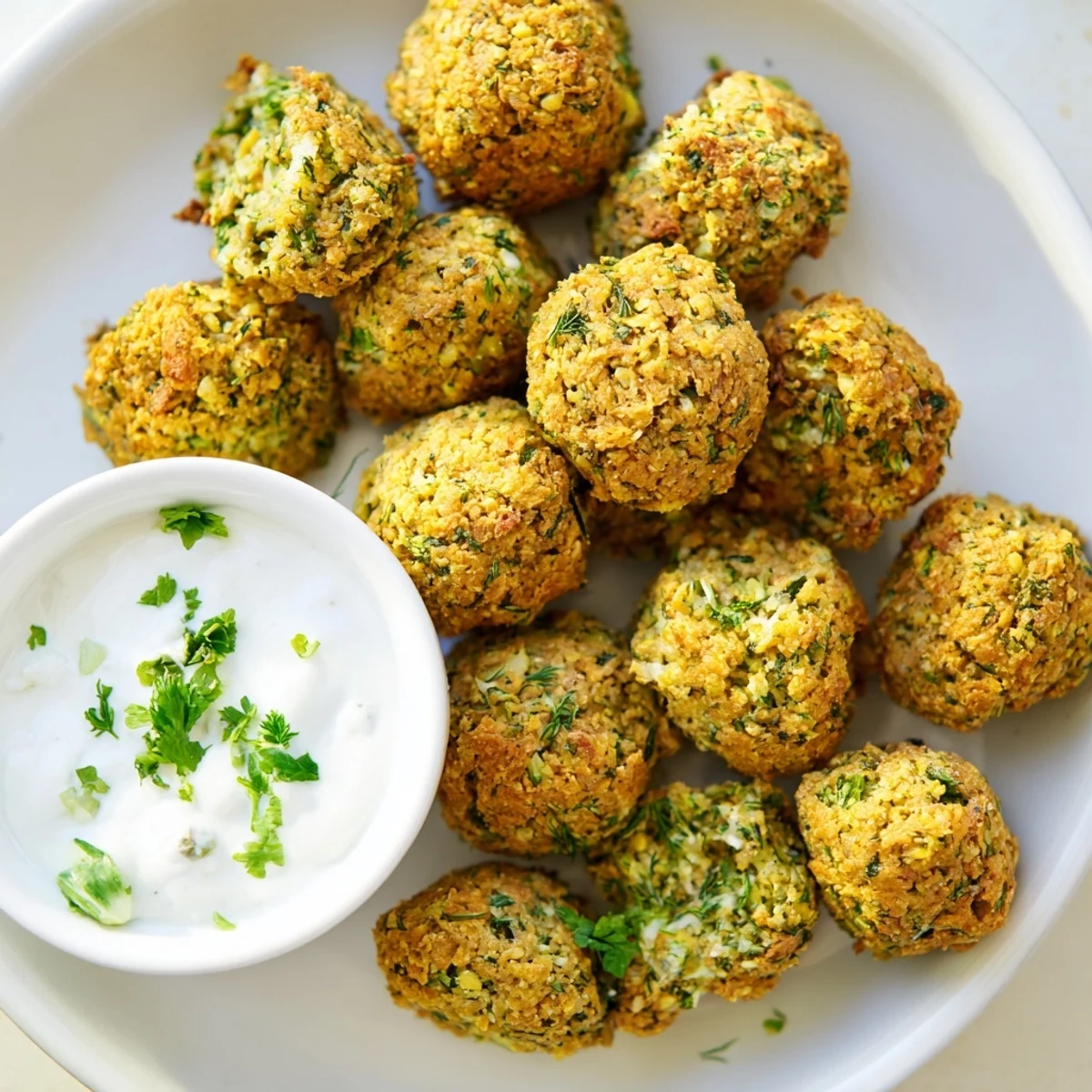
 These golden falafel bites start with dried chickpeas soaked overnight, then pulsed with onion, garlic, fresh parsley, cilantro and warm spices like cumin and coriander into a coarse mixture.
A brief rest in the fridge helps the flavors meld and the texture firm up before shaping into bite-sized balls and frying to a deep golden crisp.
The cooling garlic yogurt sauce—Greek yogurt brightened with lemon juice, fresh herbs and pungent garlic—provides the perfect creamy contrast to each crunchy bite.
The smell of cumin toasting in a pan is enough to make me drop whatever I am doing and head straight for the kitchen. There is something about that warm, earthy aroma that pulls up memories of crowded street markets and paper cones stuffed with hot falafel, handed over with a wink. These crispy herb falafel bites came together one rainy Tuesday when the fridge was bare except for a forgotten bag of chickpeas soaking in a jar. Forty five minutes later, the whole apartment smelled like a little corner of Beirut.
A friend once stood in my kitchen watching me pulse the food processor and asked why I did not just buy frozen falafel like a normal person. I handed her a warm one fresh from the oil, and she never asked that question again.
Ingredients
- Dried chickpeas (1 1/2 cups, soaked overnight): Canned chickpeas will make the mixture too wet and you will never get that proper crunch, so plan ahead and soak dried ones.
- Small onion (1, roughly chopped): Adds moisture and a subtle sweetness that balances the spices.
- Garlic (3 cloves): Raw garlic gives falafel its characteristic bite.
- Fresh parsley leaves (1 cup): This is what makes the inside of a falafel green and vibrant, so do not skimp.
- Fresh cilantro leaves (1/2 cup): Pairs beautifully with cumin and coriander for that classic Middle Eastern flavor.
- Fresh dill (1/4 cup, optional): Not traditional everywhere, but it adds a lovely lemony note.
- Ground cumin (1 tsp): The backbone spice of any good falafel.
- Ground coriander (1 tsp): Brings a citrusy warmth that rounds out the cumin.
- Cayenne pepper (1/2 tsp, optional): Just enough heat to keep things interesting without overpowering.
- Baking powder (1 tsp): Helps the falafel puff slightly during frying for a lighter interior.
- All purpose flour (2 tbsp): Binds everything together, and you can swap in chickpea flour for a gluten free version.
- Salt (1 tsp) and black pepper (1/2 tsp): Seasoning is everything with chickpeas, so taste and adjust.
- Vegetable oil (for frying): You need about two inches of oil in your pan for proper frying.
- Plain Greek yogurt (3/4 cup): The thick, tangy base for the garlic sauce.
- Garlic (1 clove, finely minced): One clove is enough since raw garlic is potent in yogurt.
- Fresh lemon juice (1 tbsp): Brightens the sauce and ties it to the falafel.
- Chopped fresh parsley or mint (2 tbsp): A fresh finish for the sauce.
Instructions
- Prep the chickpeas:
- Drain and rinse your soaked chickpeas thoroughly, then pat them dry with a clean kitchen towel. The drier they are, the crispier your falafel will be.
- Build the falafel mixture:
- Add the chickpeas, onion, garlic, parsley, cilantro, dill if using, cumin, coriander, cayenne, salt, and pepper to a food processor. Pulse until you get a coarse, sandy texture that holds together when pinched but is not a paste.
- Rest the mixture:
- Transfer everything to a bowl, stir in the baking powder and flour, then cover and refrigerate for 20 to 30 minutes. This rest time is when the flavors meld and the texture firms up.
- Whip up the sauce:
- While the mixture chills, stir together the yogurt, minced garlic, lemon juice, herbs, salt, and pepper in a small bowl. Taste it and add more lemon or salt until it sings.
- Heat the oil:
- Pour two inches of oil into a heavy skillet and bring it to 350 degrees Fahrenheit over medium high heat. You can test with a small piece of falafel mixture, which should sizzle immediately.
- Shape and fry:
- Scoop tablespoons of the mixture and roll them into balls or flatten into small patties about one inch across. Fry in batches without crowding the pan, turning once or twice, until deeply golden all over, about 2 to 3 minutes per batch.
- Drain and serve:
- Lift the falafel out with a slotted spoon and drain on paper towels. Serve them warm with the garlic yogurt sauce alongside for dipping.
 Pin It
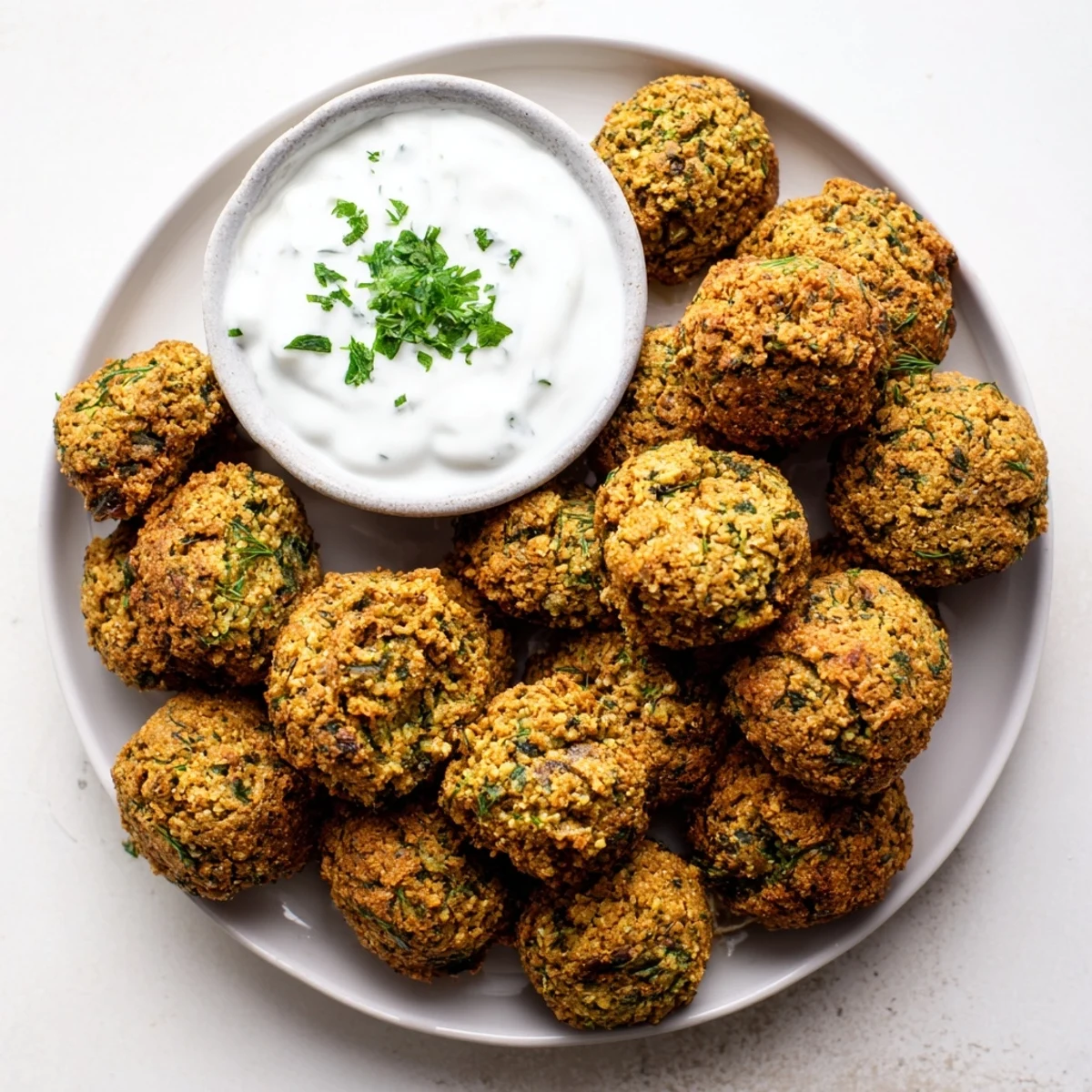
 There was a summer evening when I set a plate of these on the balcony table with cold drinks and watched people walk by below, and somehow the falafel disappeared before the sun even set.
Frying Versus Baking
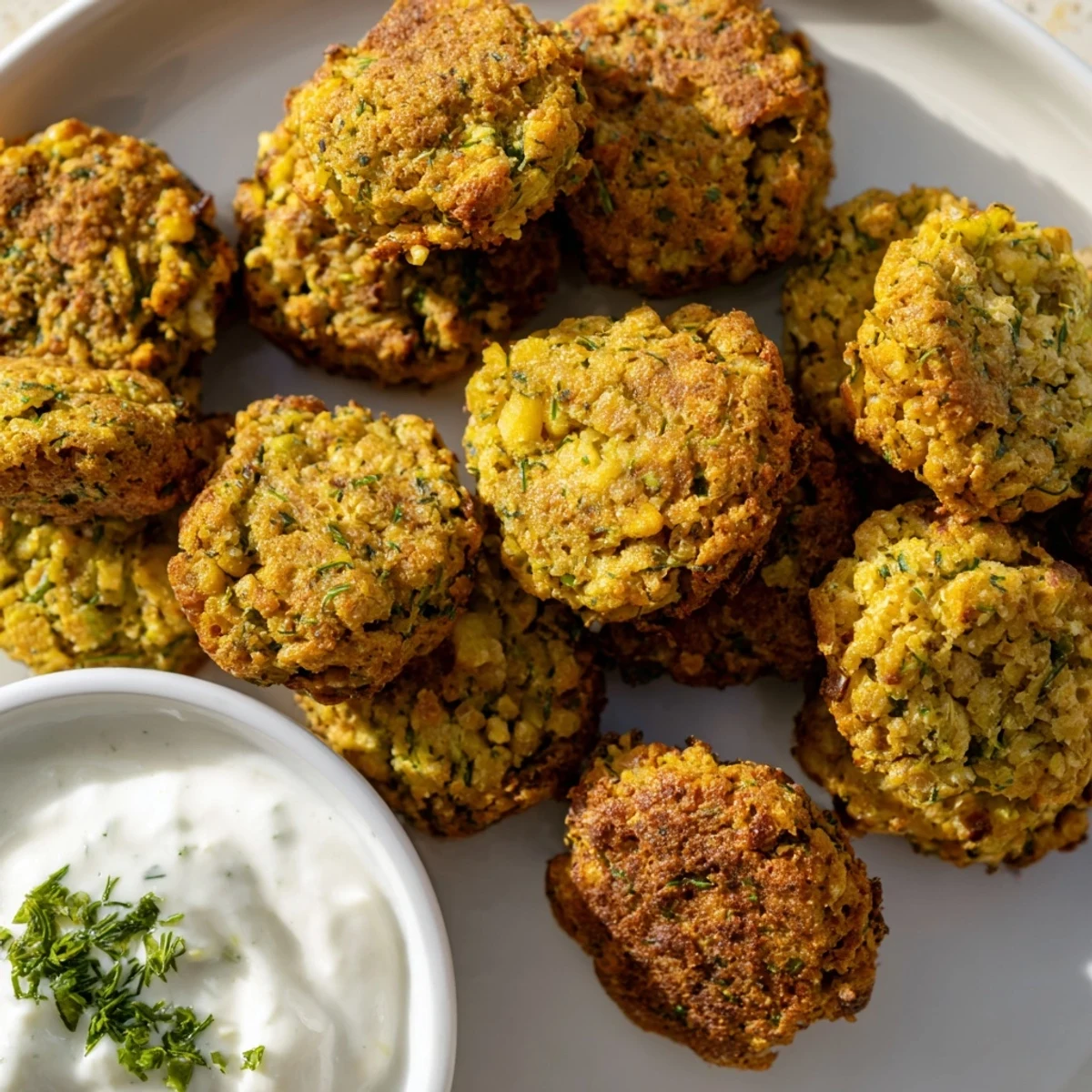
I have tried baking these falafel many times when I wanted something lighter, and it works well if you brush them generously with oil and flip them halfway through at 400 degrees Fahrenheit. The texture is different, more like a firm herb cake, but still satisfying in its own way. Frying gives you that shatteringly crisp exterior that is hard to replicate in an oven, so I usually fry when I am cooking for others and bake when it is just me.
Serving Ideas Beyond the Plate
Stuff three or four of these into a warm pita with shredded lettuce, diced tomatoes, pickled turnips, and a generous drizzle of that garlic yogurt sauce. They also make a stunning addition to a mezze spread arranged alongside hummus, baba ganoush, marinated olives, and warm flatbread. Sometimes I crumble leftover falafel over a grain bowl with tahini and roasted vegetables for lunch the next day.
Getting the Texture Right
The texture of your falafel mixture is everything, and it takes a little practice to recognize the sweet spot between too coarse and too smooth. Think of wet sand that holds together when you squeeze it in your fist but crumbles if you press too hard.
- If the mixture feels too wet, add flour one teaspoon at a time until it firms up.
- If it feels too dry and crumbles, a tiny splash of water or lemon juice will bring it together.
- Always do a test fry with one small piece before shaping the whole batch.
 Pin It
 Keep it simple, fry with confidence, and share them while they are still warm. That is really all there is to it.
Recipe FAQs
- → Can I use canned chickpeas instead of dried?
-
Dried chickpeas are strongly recommended for falafel because they provide the right texture and help the bites hold together during frying. Canned chickpeas contain too much moisture and will result in a mushy, soft interior that falls apart in the oil.
- → Why does the falafel mixture need to rest in the fridge?
-
Refrigerating the mixture for 20 to 30 minutes allows the chickpeas to absorb moisture from the herbs and onion while the flour and baking powder firm everything up. This resting period makes shaping easier and produces a crispier exterior when fried.
- → What oil temperature works best for frying falafel?
-
Maintain the oil at 350°F (175°C) for optimal results. Too hot and the outside burns before the inside cooks through; too cool and the falafel absorbs excess oil becoming greasy. A deep-fry or instant-read thermometer is helpful for monitoring.
- → Can these falafel bites be baked instead of fried?
-
Yes, brush the shaped falafel generously with oil and bake at 400°F (200°C) for 25 to 30 minutes, flipping once halfway through. They will be slightly less crispy than the fried version but still delicious and lighter.
- → How should leftover falafel be stored and reheated?
-
Store cooled falafel in an airtight container in the refrigerator for up to 3 days. Reheat in a 375°F oven or air fryer for 8 to 10 minutes to restore crispness. Microwaving will make them soft and soggy.
- → What can I substitute for the yogurt in the garlic sauce?
-
For a dairy-free or vegan version, use plain unsweetened non-dairy yogurt such as coconut, almond or cashew-based varieties. You can also substitute with a tahini-based sauce thinned with lemon juice and water for a similarly creamy, tangy accompaniment.