
 Pin It
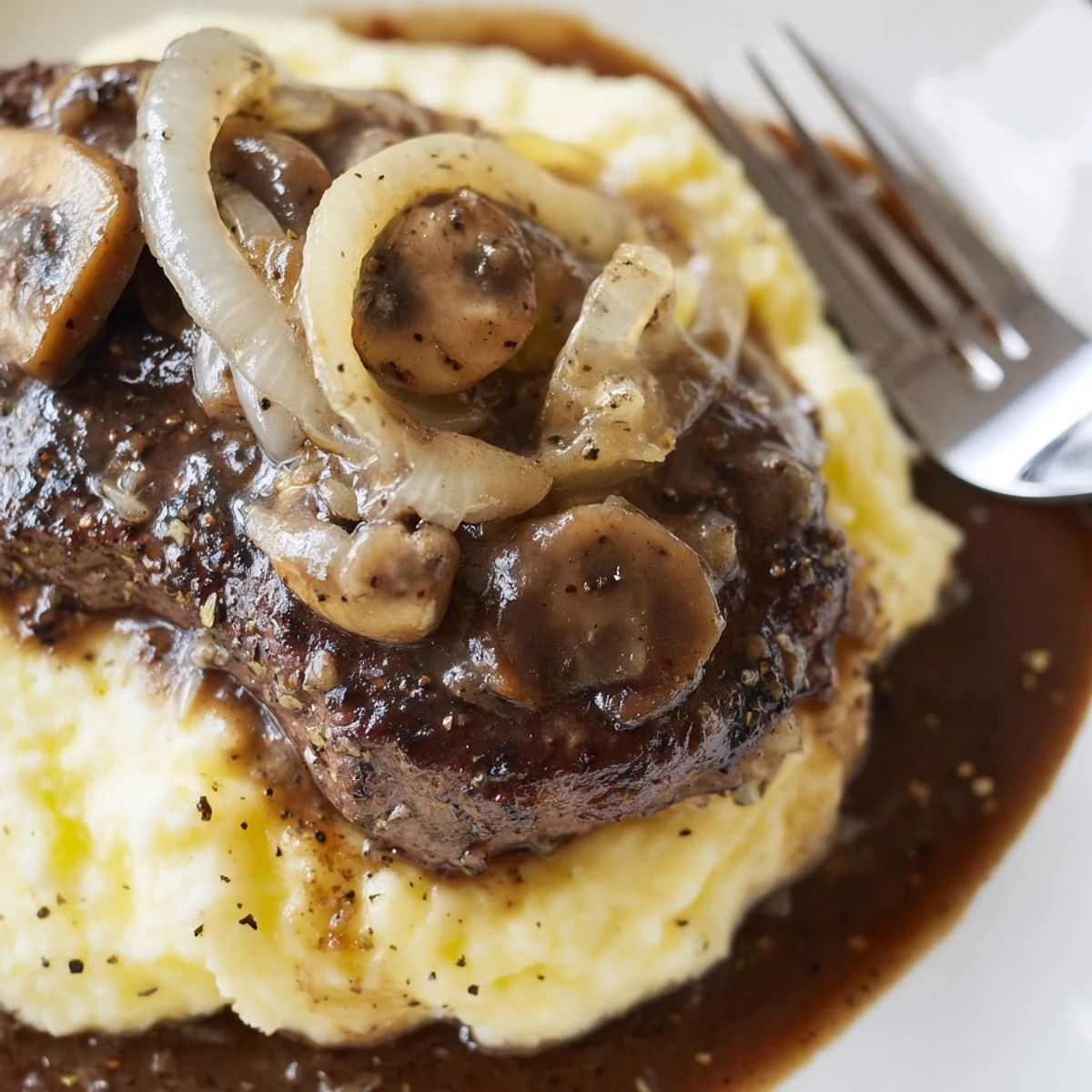
 Tender cube steaks are dredged in seasoned flour, quickly seared to brown the exterior, then nestled into a skillet of softened onions and mushrooms. Brown in batches for an even crust and avoid overcrowding. Beef broth and Worcestershire are added, simmering covered 30-35 minutes until fork-tender; finish with a splash of cream for a silkier gravy. Serve over mashed potatoes, rice, or buttered noodles and adjust salt and pepper to taste.
The rain was hammering the kitchen window so hard that Tuesday evening that all I wanted was something that would make the house smell like my grandmothers kitchen. I had a pack of cube steaks sitting in the fridge and zero plan beyond that. Forty five minutes later I was standing over the stove, spooning onion mushroom gravy over mashed potatoes, wondering why I ever bothered with fancy weeknight dinners when this existed.
My roommate walked in halfway through the simmer and just stood near the stove breathing it in, not even pretending to be casual about it. I handed her a fork and we ate standing at the counter, no plates, tearing into the meat and sopping up gravy with bread. That dinner cost maybe twelve dollars total and neither of us stopped talking about it for a week.
Ingredients
- Cube steaks (about 500g total, 4 pieces): These are already tenderized at the butcher, which saves you a step and keeps the texture forgiving even if you overcook slightly.
- All purpose flour (1/2 cup, 60g): This does double duty, creating a crust on the meat and thickening the gravy as it simmers.
- Salt (1 tsp): Seasoned flour is the secret to meat that tastes like something from edge to edge.
- Black pepper (1/2 tsp): Freshly cracked if you have it, but the pre ground stuff works fine here since the long cook mellows everything.
- Paprika (1/2 tsp): Adds a subtle warmth and helps the flour coating brown up beautifully in the pan.
- Large yellow onion, thinly sliced: One big onion might look like a lot raw but it melts down into sweetness and becomes part of the gravy body.
- Sliced mushrooms (1 cup, 100g): Cremini or button both work, and they absorb the beef broth like little sponges.
- Beef broth (2 cups, 480ml): Low sodium lets you control the salt level, and this forms the backbone of your entire gravy.
- Worcestershire sauce (2 tbsp): This is the ingredient people always forget and the one that makes the gravy taste like it simmered all day.
- Heavy cream (1/4 cup, 60ml, optional): Stirred in at the end for a silky, pale gravy that feels a little more special.
- Vegetable oil (3 tbsp): A neutral oil with a high smoke point gives you that initial sear without burning.
- Unsalted butter (2 tbsp): Split between searing the meat and sauteing the vegetables, it adds richness that oil alone cannot.
Instructions
- Season and dredge the steaks:
- Stir together the flour, salt, pepper, and paprika in a wide shallow dish. Press each cube steak into the mixture, flipping once, and shake off any excess so you get an even thin coat.
- Sear the meat:
- Heat the vegetable oil and one tablespoon of butter in a large skillet over medium high heat until the butter foams. Lay in the steaks without crowding and cook two to three minutes per side until you see a deep golden crust, then transfer them to a plate.
- Build the flavor base:
- Drop the remaining tablespoon of butter into the same skillet and toss in the sliced onions, stirring until they soften and pick up color, about five minutes. Add the mushrooms and cook three more minutes until they release their liquid and shrink down.
- Start the gravy:
- Pour in the beef broth and Worcestershire sauce, then take a wooden spoon and scrape every last brown bit off the bottom of the pan. Bring the liquid to a simmer and watch it darken as those stuck bits dissolve.
- Braise until tender:
- Nestle the seared steaks back into the skillet so they settle into the onion mushroom mixture. Turn the heat to low, clamp on the lid, and let everything bubble gently for thirty to thirty five minutes until a fork slides through the meat with no resistance.
- Finish with cream:
- If you are using the heavy cream, stir it in during the last five minutes and let the gravy thicken slightly. Taste for salt and pepper, then serve right away with extra spooned over the top.
 Pin It
 I once made this for a potluck where everyone brought elaborate casseroles and I showed up with a scruffed up skillet of smothered steak. It was the first pan scraped clean and someone actually asked if I would teach their teenage son how to make it.
What to Serve Alongside
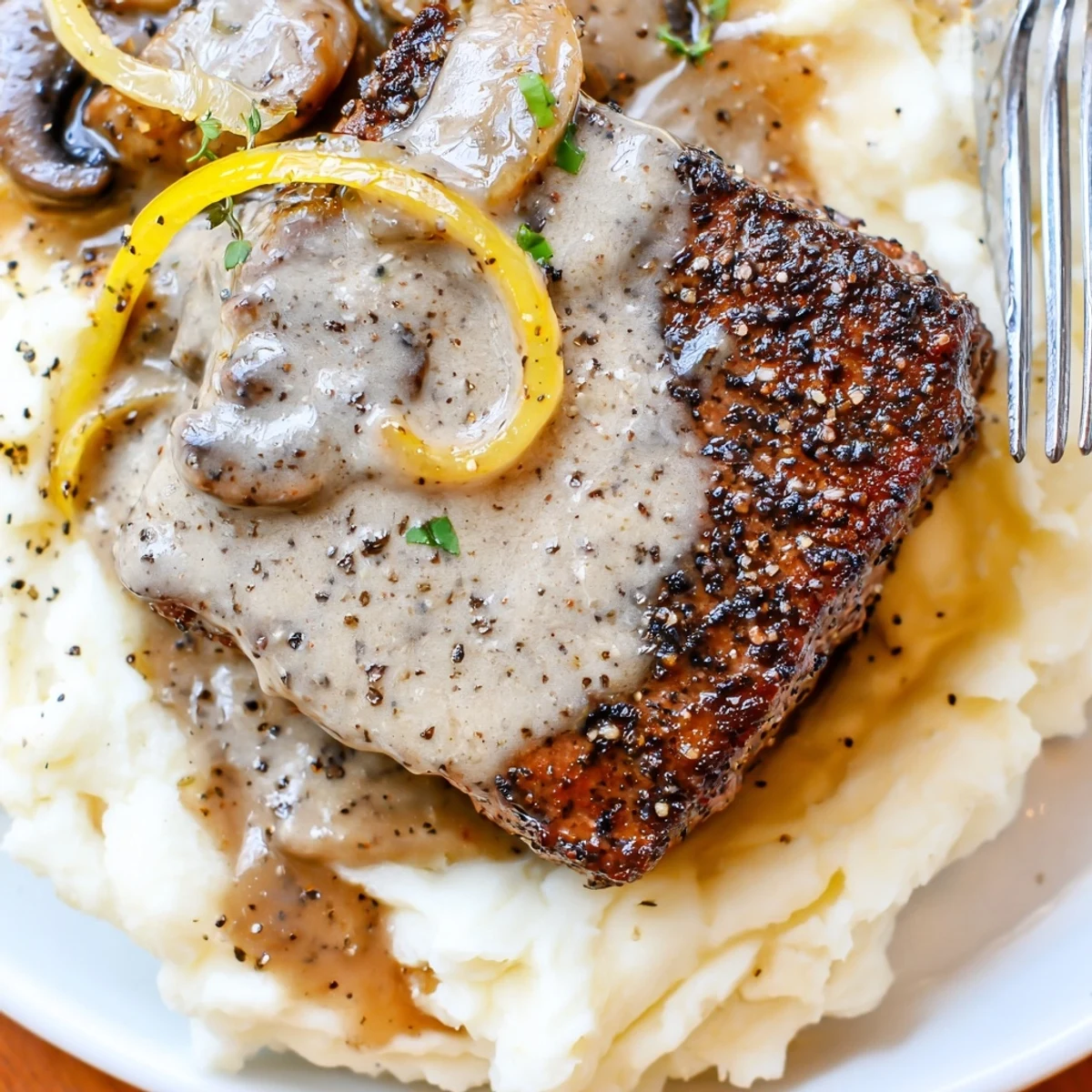
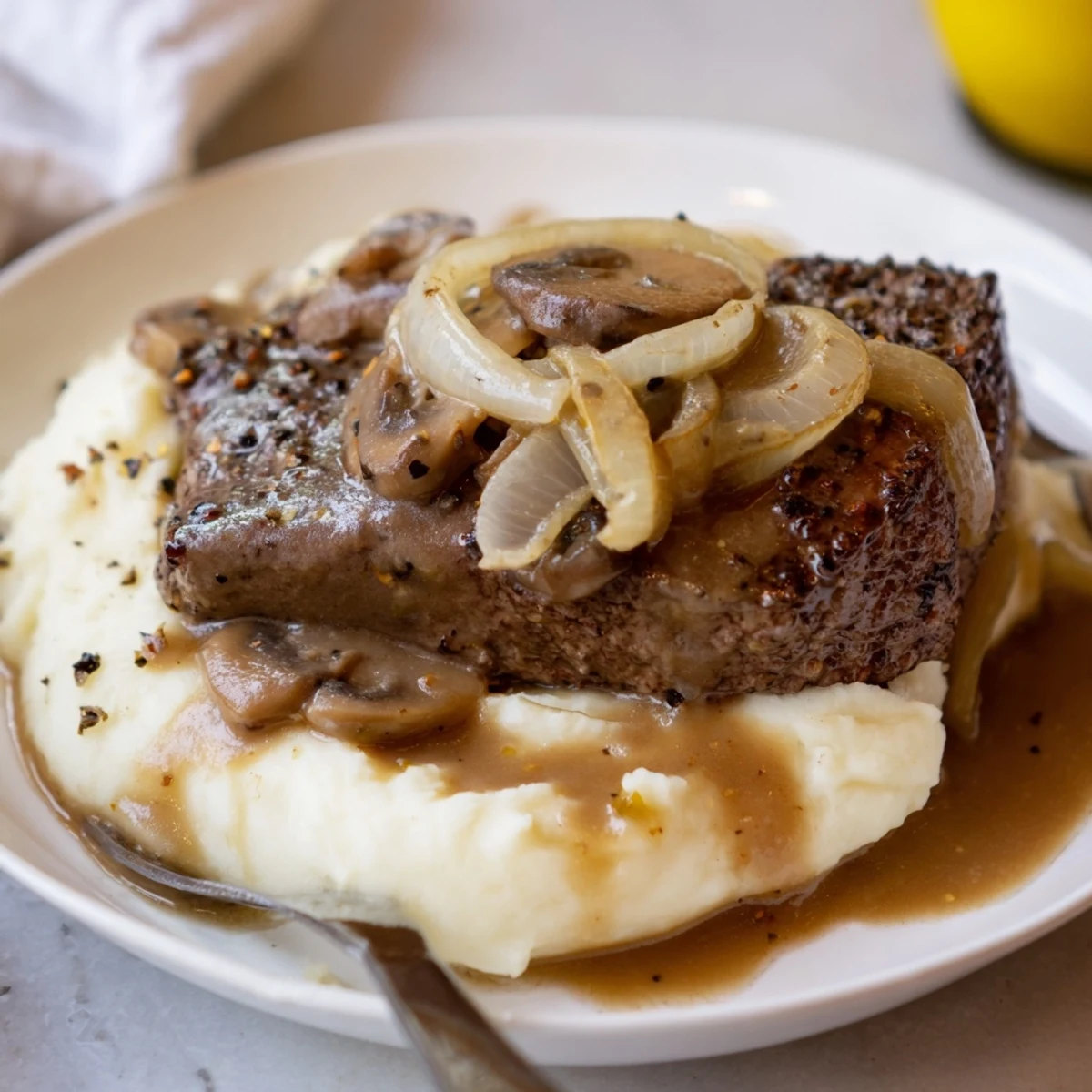
Mashed potatoes are the obvious answer and honestly the correct one, because you need something sturdy to catch every drop of that gravy. Buttered egg noodles are a close second on nights when boiling water feels like all you can manage. Steamed green beans or a simple side salad with a sharp vinaigrette cut through the richness and round out the plate without any fuss.
Making It Your Own
A pinch of garlic powder in the flour coating is a small addition that quietly makes everything taste more rounded. If you like a little heat, cayenne in place of half the paprika wakes the whole dish up without turning it spicy. Sour cream swapped in for heavy cream at the end gives the gravy a pleasant tang that works especially well in colder months.
Storage and Reheating
Leftovers keep beautifully in the fridge for up to three days and honestly the gravy tastes even better on day two when the flavors have settled. Reheat gently in a covered skillet over low heat, adding a splash of broth if the gravy has thickened too much overnight. Freeze portions in airtight containers for up to two months and thaw overnight in the fridge before warming.
- Let the dish cool completely before covering and refrigerating to avoid condensation making the crust soggy.
- A microwave works in a pinch but the stovetop preserves the texture of the meat far better.
- Always taste and reseason after reheating because cold storage can dull salt and pepper noticeably.
 Pin It
 Some recipes are about showing off and some are about feeding people well with what you have, and this one has always been the latter for me. Keep it in your back pocket for the nights when comfort matters more than impression.
Recipe FAQs
- → How do I keep cube steak tender?
-
Lightly dredge and sear quickly to lock in juices, then simmer gently covered in broth until fork-tender. Low, steady simmering breaks down connective tissue without drying the meat.
- → What thickens the onion-mushroom gravy best?
-
Use a flour-based dredge plus pan drippings for a natural roux, or stir in a cornstarch slurry toward the end to thicken without cloudiness. Reduce the liquid for deeper flavor.
- → Can I make this gluten-free?
-
Yes. Swap the all-purpose flour for a gluten-free flour blend for dredging, or avoid flour and use a cornstarch slurry to thicken the gravy after simmering.
- → Are there good substitutions for heavy cream?
-
Stirring in a dollop of sour cream off the heat adds tang and richness, or use a splash of half-and-half for lighter silkiness. Add near the end of cooking to prevent separation.
- → What cuts can replace cube steak?
-
Thin, tenderized cuts such as top round or sirloin pounded thin work well; adjust simmer time as needed. Thicker cuts may require longer braising to become tender.
- → What should I serve alongside?
-
Classic pairings include creamy mashed potatoes, steamed rice, or buttered egg noodles. Simple steamed vegetables or a crisp green salad balance the richness.