
 Pin It
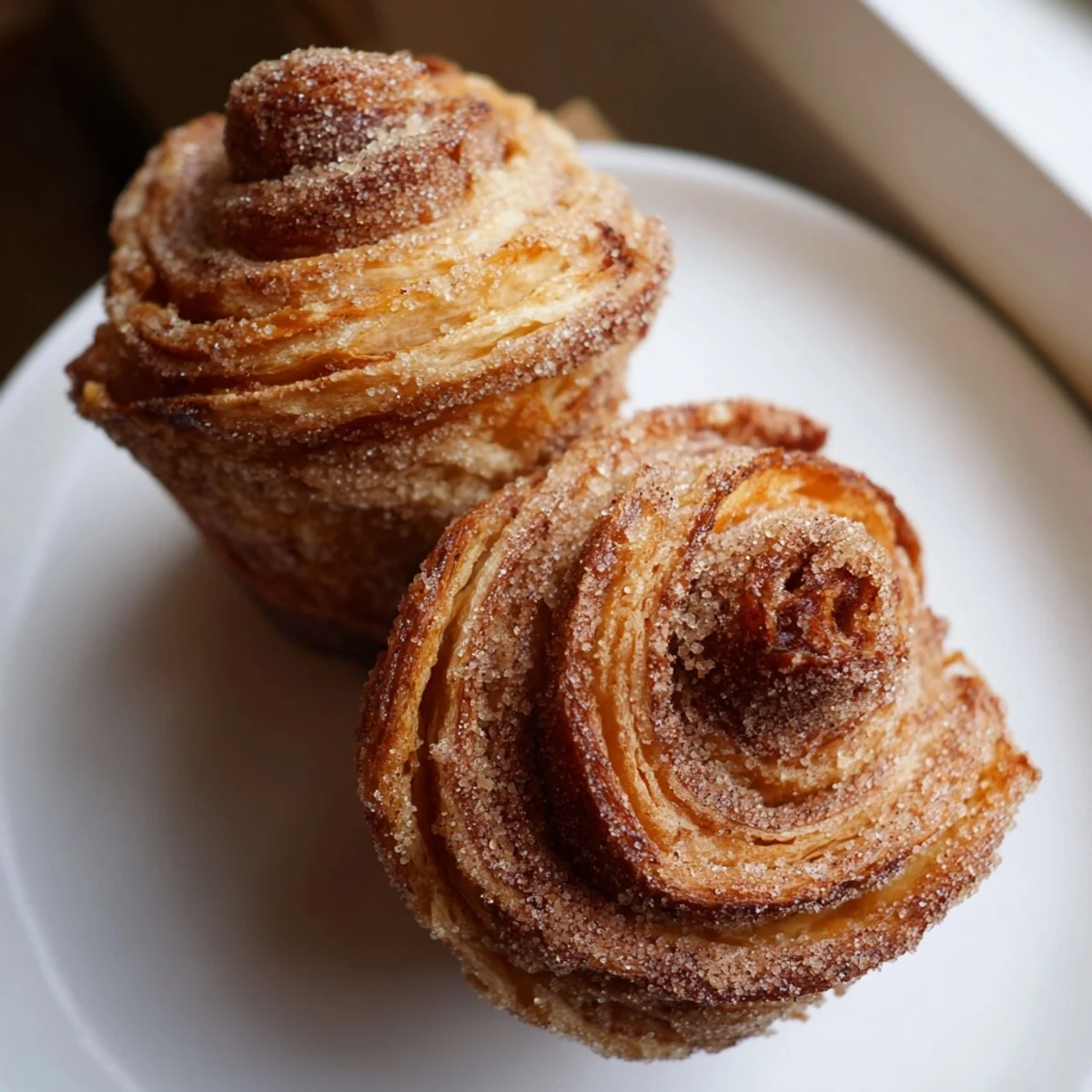
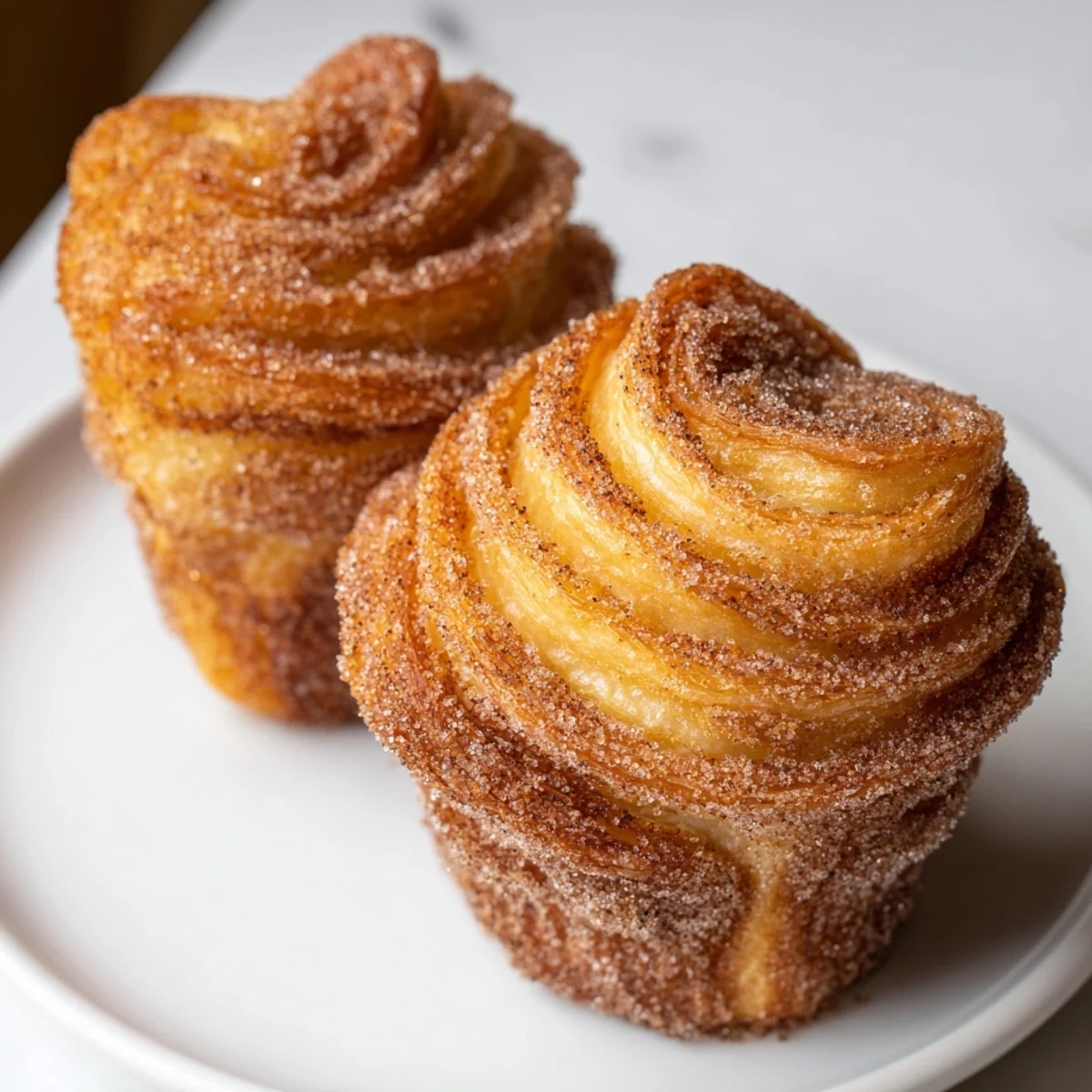
 Cruffins bring together the best of two beloved bakes: the shatteringly flaky layers of a croissant and the charming portability of a muffin. Made by laminating butter into a yeasted dough, then rolling, cutting, and twisting strips into muffin tins, they bake up golden and irresistibly light.
The process takes patience with resting and chilling periods, but the active hands-on time is roughly one hour. A cinnamon sugar coating adds a warm, sweet crunch, though you can fill them with jam or chocolate for extra indulgence. Best served warm and fresh from the oven.
The kitchen smelled like a French bakery had a secret rendezvous with a roadside diner, and I was completely here for it. Cruffins had been popping up on my screen for weeks, those impossible looking spirals of laminated dough stuffed into muffin tins, and my curiosity finally overpowered my good sense about working with butter in July. What hooked me was the promise of croissant architecture in a handheld shape, no fussy shaping, no worrying about symmetry, just layers doing their thing in a tin.
My neighbor wandered over midway through the folding process and declared the whole project absurd, then proceeded to eat three cruffins warm from the oven and ask when I was making them again. That afternoon turned into an unexpected kitchen session where I learned the dough is remarkably patient if you are even half patient with it.
Ingredients
- 375 g all-purpose flour: This gives the dough enough structure to hold its layers without becoming tough or bready.
- 7 g instant yeast: Instant yeast skips the blooming step and integrates directly into the flour for a reliable rise.
- 40 g granulated sugar: Just enough sweetness to support the butter without making the dough soft and hard to handle.
- 8 g salt: Do not skip or reduce this, it is essential for flavor and actually strengthens the gluten network.
- 180 ml lukewarm water: Should feel like warm bath water, not hot, because heat kills yeast and cold slows it to a crawl.
- 70 ml whole milk lukewarm: The milk adds tenderness and a subtle richness that water alone cannot achieve.
- 30 g unsalted butter melted: This small amount enriches the base dough and makes it smoother to knead.
- 150 g unsalted butter room temperature: This is your laminating butter and it needs to be pliable but not melting, think the texture of cream cheese.
- 60 g granulated sugar optional: For rolling the finished cruffins if you want that classic bakery style coating.
- 1 tsp ground cinnamon optional: Mixed into the sugar it transforms these from elegant to downright irresistible.
Instructions
- Build the dough:
- Combine the flour, yeast, sugar, and salt in a large bowl, then pour in the lukewarm water, milk, and melted butter, mixing until everything comes together into a shaggy mass that already smells faintly sweet.
- Knead until proud:
- Work the dough for about six minutes until it transforms from sticky and unkempt into a smooth, springy ball that bounces back when you press it with a fingertip, then cover it and let it rise in a warm spot until doubled, roughly one hour.
- Prepare the butter slab:
- While the dough rises, place your room temperature butter between two sheets of parchment paper and beat it with a rolling pin until pliable, then shape it into a neat rectangle about fifteen by twenty centimeters and chill it just enough that it holds its shape but still bends without cracking.
- First lamination fold:
- Roll the risen dough out on a floured surface into a large rectangle roughly thirty by fifty centimeters, lay the butter slab over two thirds of it, and fold the unbuttered third over the center followed by the remaining third on top, like folding a letter.
- Second fold and chill:
- Rotate the folded dough ninety degrees, roll it back out to the same large rectangle, fold it into thirds once more, then wrap it and let it rest in the refrigerator for one full hour so the butter firms up and the gluten relaxes.
- Cut into strips:
- Roll the chilled dough out one final time into that thirty by fifty centimeter rectangle and use a sharp knife or dough scraper to cut it into twelve even strips lengthwise, keeping them as uniform as you can manage.
- Shape the cruffins:
- Take one strip at a time, gently stretch it if needed, roll it up tightly like a little snail, then slice it straight down the middle to expose all those gorgeous buttery layers you just worked so hard to create.
- Coil into the tin:
- Twist each half into a loose spiral and coil it into a generously greased muffin tin cavity with the cut layers facing outward so they fan open dramatically during baking.
- Final rest:
- Cover the tin loosely and let the shaped cruffins rest at room temperature for forty five minutes to one hour until they look puffy and have visibly expanded in their cups.
- Bake until golden:
- Preheat your oven to two hundred degrees Celsius and bake the cruffins for eighteen to twenty two minutes, watching for that deep golden color and dramatic rise that tells you the layers have fully separated and crisped.
- Finish and serve:
- Let them cool just long enough that you can handle them without burning your fingers, then roll each one in cinnamon sugar if using, and serve them warm while the layers still shatter delicately with every bite.
 Pin It
 Sunday morning, coffee going cold beside me, I pulled the first tray from the oven and actually laughed out loud at how ridiculous and beautiful they looked, golden spirals tumbling over the edges of the tin like they were trying to escape.
What I Learned About Timing
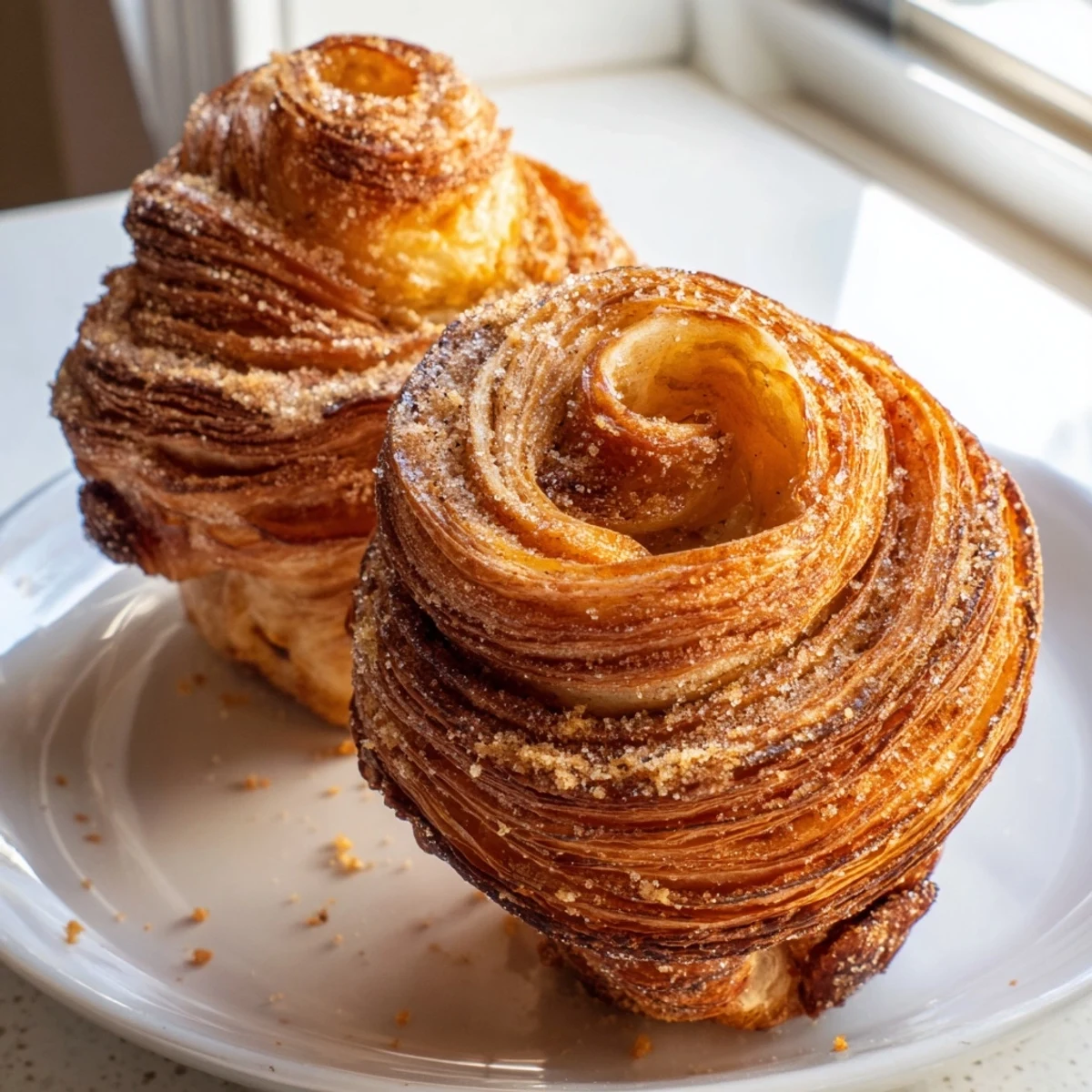
The resting periods are not suggestions, they are the entire architecture of the recipe. I tried rushing the second chill once because guests were arriving and ended up with dense, bready muffins that barely had any discernible layers. Give the dough its full hour in the fridge and it rewards you with those dramatic honeycomb like separations that make people ask if you bought them from a bakery.
Playing With Flavors
Before shaping, you can spread a whisper thin layer of raspberry jam or softened chocolate across the rolled dough for a filled version that oozes slightly when you pull the cruffins apart. A friend suggested orange zest mixed into the dough once and it was a revelation, subtle but bright, especially with the cinnamon sugar coating on the outside.
Storage and Reheating
These are unequivocally at their peak within the first two hours of baking when the exterior still shatters and the interior stays soft and slightly steamy. They will keep in an airtight container for up to two days but you must warm them briefly in a low oven to wake the layers back up, microwaving just makes them soggy and sad.
- Freeze unbaked shaped cruffins in the tin, then transfer to a bag and bake from frozen with an extra ten minutes added.
- Always grease the tin generously even if it is nonstick because the butter in the layers will caramelize and stick stubbornly.
- If your kitchen is very warm, work with only half the dough at a time while the other half stays in the fridge.
 Pin It
 Every time I make cruffins now I think about that absurd summer afternoon with flour on my forehead and a neighbor who became my most honest taste tester. Some recipes earn their place in your rotation not because they are easy, but because the result makes the effort feel like a gift you gave yourself.
Recipe FAQs
- → Why does the dough need to chill for so long?
-
Chilling firms the butter layer so it doesn't melt into the dough during rolling. This preserves the distinct layers that create cruffins' signature flakiness. Without adequate chilling, the butter merges with the dough, resulting in a denser, less airy texture.
- → Can I prepare the dough the night before?
-
Yes, you can refrigerate the laminated dough overnight after the folding steps. This actually improves flavor by slowing fermentation. Let it sit at room temperature for about 20 minutes before rolling and shaping so the butter becomes pliable again.
- → What if my butter layer is too hard or too soft?
-
The butter should be pliable but not greasy, roughly the same consistency as the dough. If too hard, it will crack and tear the dough during rolling. If too soft, it will squeeze out the edges. Let cold butter sit at room temperature briefly, or refrigerate soft butter until it firms up.
- → How do I get the layers to show on the outside?
-
Cutting each rolled strip down the center lengthwise exposes the inner laminations. When you coil each half into the muffin cavity, position the cut side facing outward. This ensures the beautiful spiral layers are visible after baking.
- → Can I add fillings inside the cruffins?
-
Absolutely. Spread a thin layer of jam, chocolate spread, or even lemon curd onto the dough strips before rolling them up. Be careful not to overfill, as excess filling can leak out during baking and cause sticking.
- → How should I store leftover cruffins?
-
Store them in an airtight container at room temperature for up to two days. To revive their texture, warm them briefly in a 160°C (320°F) oven for about 5 minutes. Avoid microwaving, as it softens the flaky layers and makes them soggy.