
 Pin It
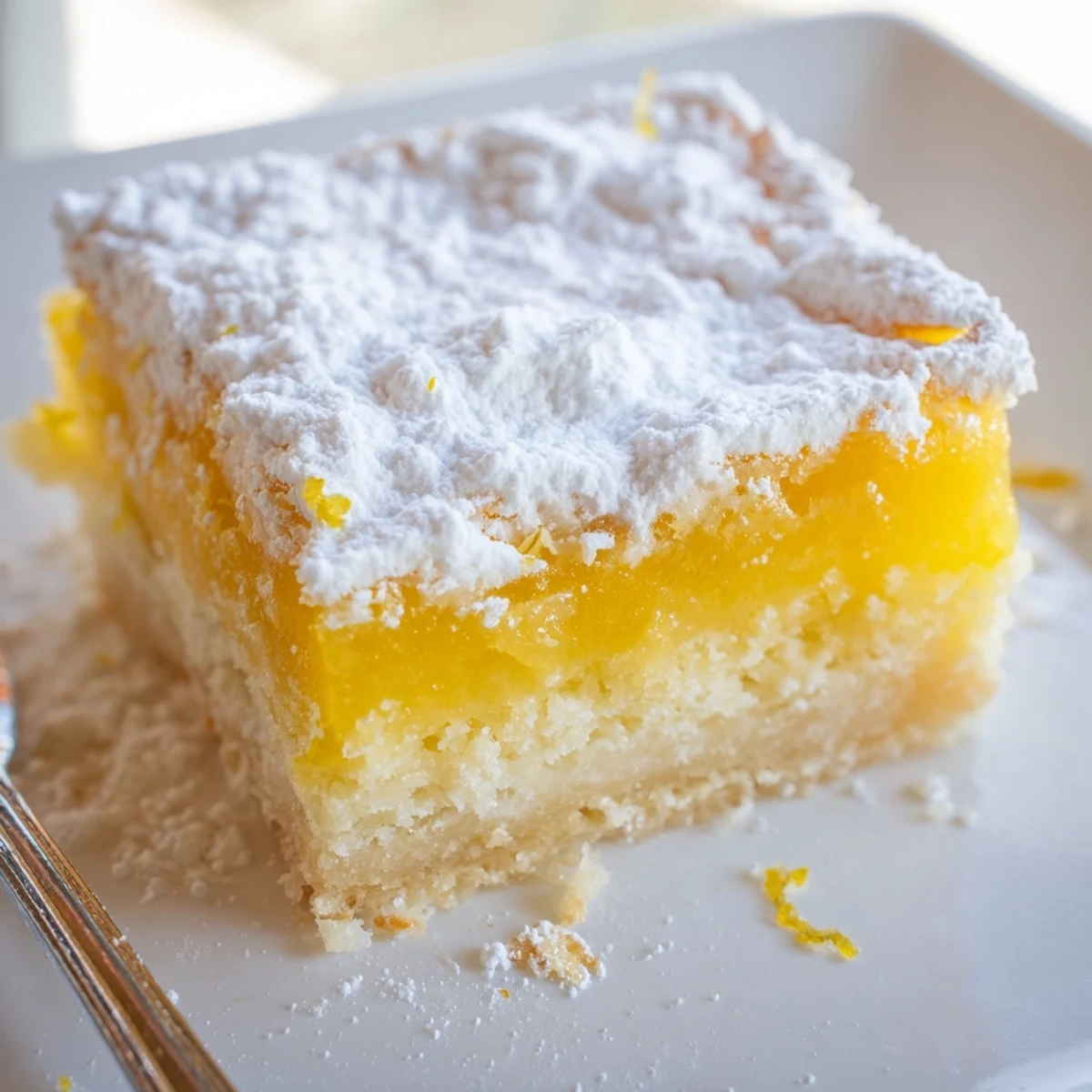
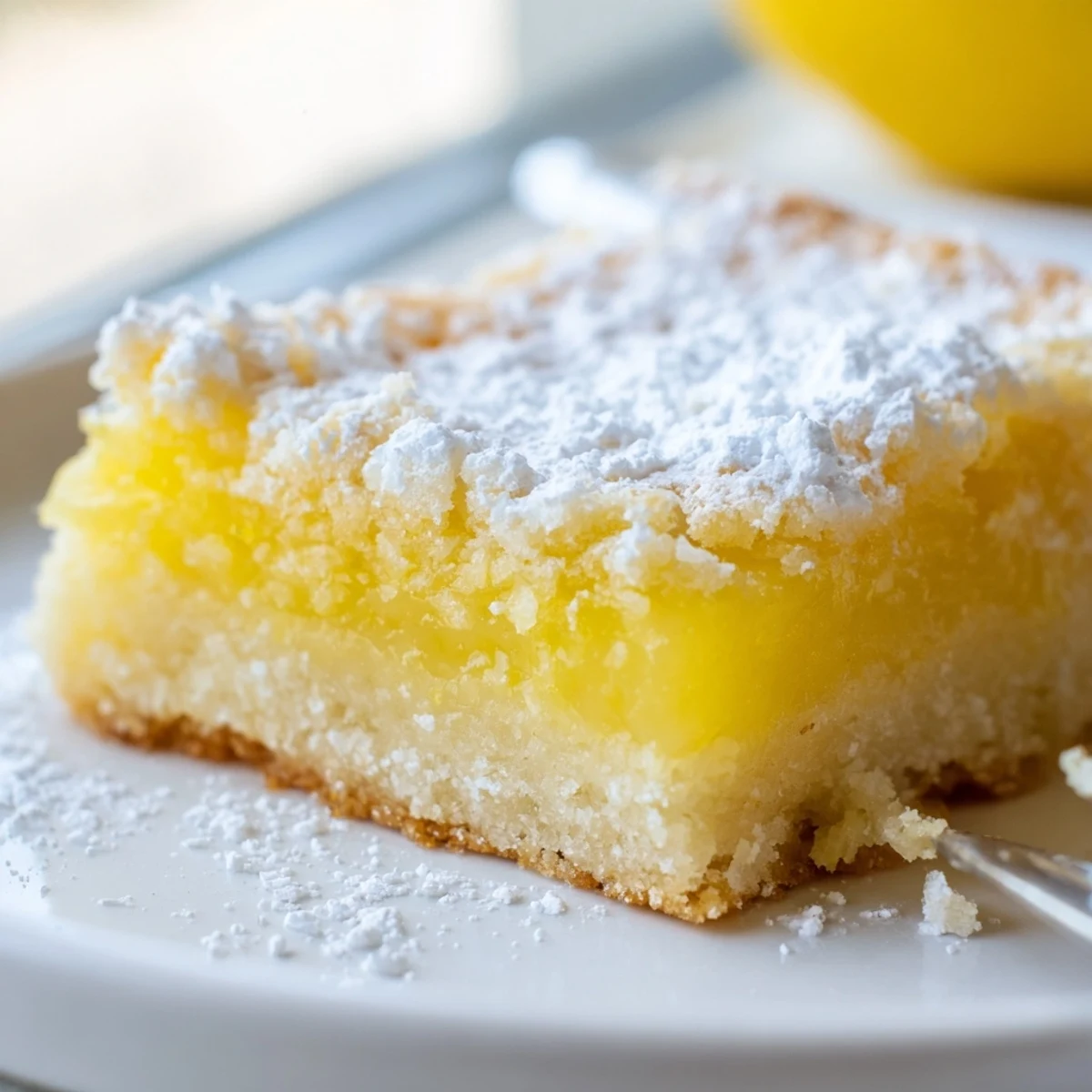
 These bright lemon bars feature a tender, buttery shortbread crust topped with a silky, tangy lemon filling made from fresh juice and zest.
Ready in under an hour, they're a crowd-pleasing dessert ideal for picnics, potlucks, and warm-weather gatherings. A generous dusting of powdered sugar finishes them off beautifully.
The smell of lemons being zested has a way of pulling people into the kitchen faster than any dinner bell. My neighbor once knocked on my door mid batch asking if everything was okay because the aroma had drifted through our shared hallway and she thought something was burning in the best possible way. These lemon bars became my go to potluck contribution after that afternoon, and honestly they have never once let me down.
I brought a tray of these to a backyard birthday party in June and watched a twelve year old eat four of them before the cake was even cut. That sticky fingered seal of approval told me everything I needed to know about whether this recipe was worth keeping.
Ingredients
- Unsalted butter (1 cup, softened): Room temperature butter creams smoothly into the crust and gives you control over the salt level, which matters more than you might think.
- Granulated sugar (1/2 cup for crust, 1 1/2 cups for filling): Split between two layers, the sugar in the crust keeps it tender while the filling amount balances the tartness perfectly.
- All purpose flour (2 cups for crust, 1/4 cup for filling): That small amount in the filling is the secret to a set but not rubbery texture, a trick I learned after one too many soupy batches.
- Salt (1/4 tsp): Just enough to make the butter flavor sing without announcing itself.
- Large eggs (4): They give the filling its custardy richness and help it set into clean, sliceable squares.
- Fresh lemon juice (2/3 cup, about 3 to 4 lemons): Bottled juice will not give you the same brightness, so squeeze your own and save the best looking lemons for zest.
- Lemon zest (1 tbsp, finely grated): This is where the floral, aromatic oils live, so do not skip it or your bars will taste flat.
- Powdered sugar (for dusting): A snowy finish right before serving makes them look bakery worthy and adds a gentle sweetness to the first bite.
Instructions
- Prep the pan and oven:
- Heat your oven to 350 degrees F and line a 9 by 13 inch baking pan with parchment, letting the paper hang over the edges like handles so you can lift the whole slab out later without a fight.
- Build the crust:
- Beat the softened butter and half cup of sugar together until pale and fluffy, then work in the flour and salt until the mixture looks like coarse crumbs that hold together when you squeeze them.
- Bake the base:
- Press that crumbly dough firmly and evenly across the bottom of your pan, then slide it into the oven for 18 to 20 minutes until the edges turn a soft gold and your kitchen starts smelling like warm butter.
- Whisk the filling:
- While the crust bakes, beat the eggs and remaining sugar until blended, then whisk in the quarter cup of flour until smooth before stirring in the fresh lemon juice and zest until everything is unified and fragrant.
- Bring it together:
- Pull the golden crust from the oven, reduce the heat to 325 degrees F, and pour the lemon mixture directly over the hot base so it starts setting from the bottom up.
- Bake until set:
- Return the pan to the oven for another 18 to 20 minutes, pulling it out when the center no longer wobbles like gelatin but still has a slight, confident shimmy.
- Cool, cut, and finish:
- Let the bars cool completely on a wire rack, then use the parchment handles to lift the whole block onto a cutting board before slicing into twelve squares and showering them with powdered sugar.
 Pin It
 There was a rainy Sunday when I made these purely because the lemons on my counter were about to turn, and my roommate walked in, took one bite, and sat down in silence for a full minute before saying anything at all.
Storage That Actually Works
These bars hold beautifully in the refrigerator for up to four days when kept in an airtight container with a sheet of parchment between layers to prevent sticking. I have tried freezing them with decent results, though the texture of the filling shifts slightly toward custardy after thawing, so fresh is always best if you have the choice.
Citrus Swaps Worth Trying
Lime juice and zest make a knockout variation that tastes like a margarita in bar form, and blood orange juice turns the filling a stunning sunset pink while dialing back the tartness. Grapefruit works too but you will want to use a lighter hand since its bitterness can overpower quickly.
Tools and Prep Thoughts
A sturdy whisk and a decent zester are really all the specialty gear you need here, though an electric mixer saves your arm during the crust creaming step. Everything else is likely already in your kitchen drawer.
- Microplane zesters grab the fragrant outer layer without digging into the bitter white pith underneath.
- Measure your flour by spooning into the cup and leveling off rather than scooping directly from the bag.
- Taste your lemons before juicing because an unusually sour batch might need a touch more sugar in the filling.
 Pin It
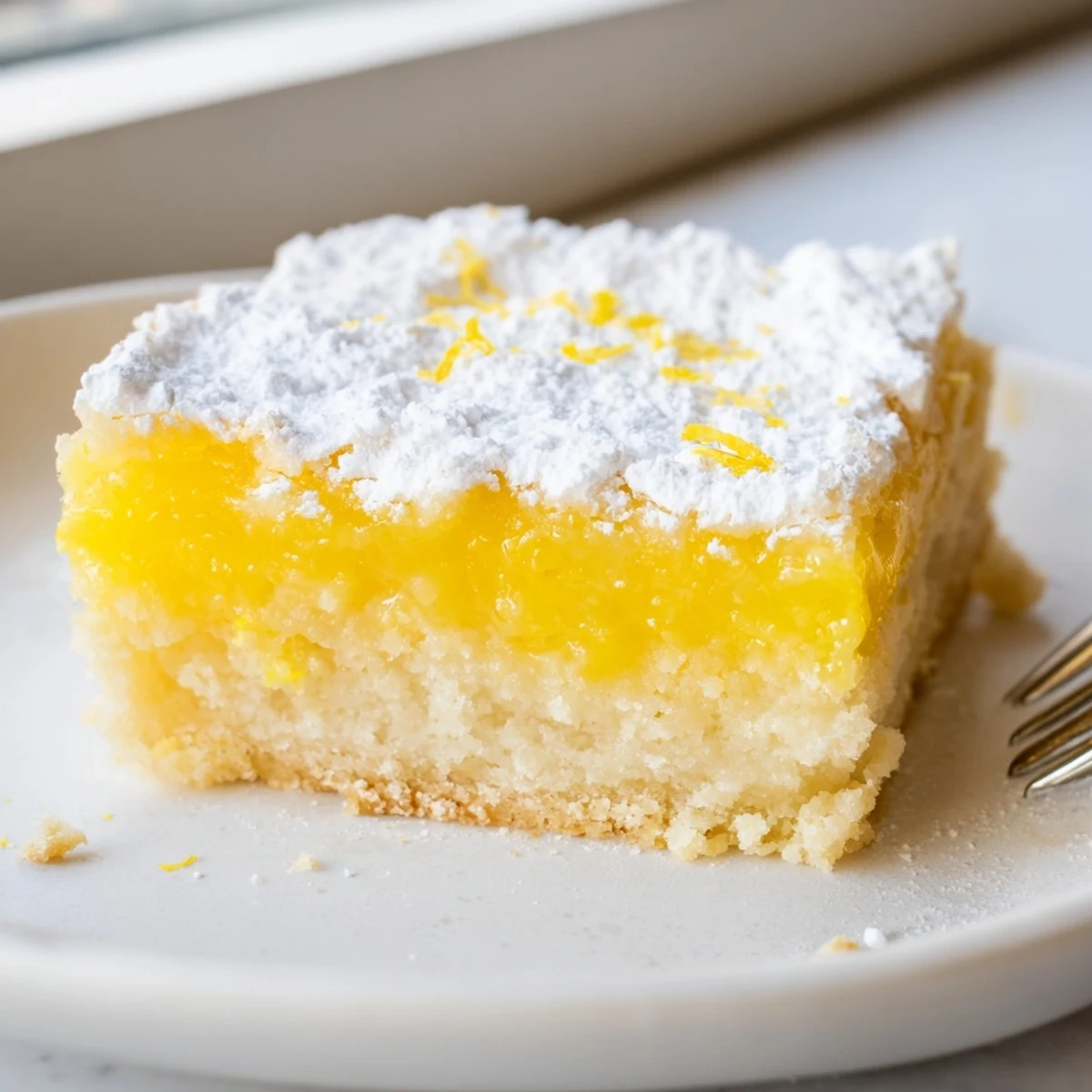
 Keep a plate of these in your refrigerator during the warmer months and you will never be caught without something bright, sweet, and welcoming to offer whoever happens to walk through your door.
Recipe FAQs
- → How do I know when the lemon filling is fully set?
-
The center should no longer jiggle when you gently shake the pan. The edges will look slightly firmer and the top will have a matte finish rather than a wet shine.
- → Can I use bottled lemon juice instead of fresh?
-
Fresh lemon juice delivers the best flavor and brightness. Bottled juice works in a pinch but the taste will be noticeably less vibrant. Fresh zest is especially important since it provides the aromatic oils that make these bars sing.
- → Why is my shortbread crust crumbling when I press it?
-
Make sure the butter is properly softened at room temperature before creaming it with sugar. If the dough feels too dry, continue mixing a bit longer—the warmth from your hands or the mixer helps bring it together.
- → How should I store leftover lemon bars?
-
Store them in an airtight container in the refrigerator for up to 4 days. The chilled texture is actually quite pleasant. Let them sit at room temperature for about 15 minutes before serving for the best flavor.
- → Can I freeze lemon bars?
-
Yes, freeze them tightly wrapped or in an airtight container for up to 3 months. Thaw overnight in the refrigerator. Add the powdered sugar dusting after thawing so it doesn't dissolve into the surface.
- → What pan size works best for this?
-
A standard 9x13-inch baking pan yields 12 nicely proportioned bars. Using a smaller pan will result in thicker bars that may need additional baking time, while a larger pan will produce thinner ones.