
 Pin It
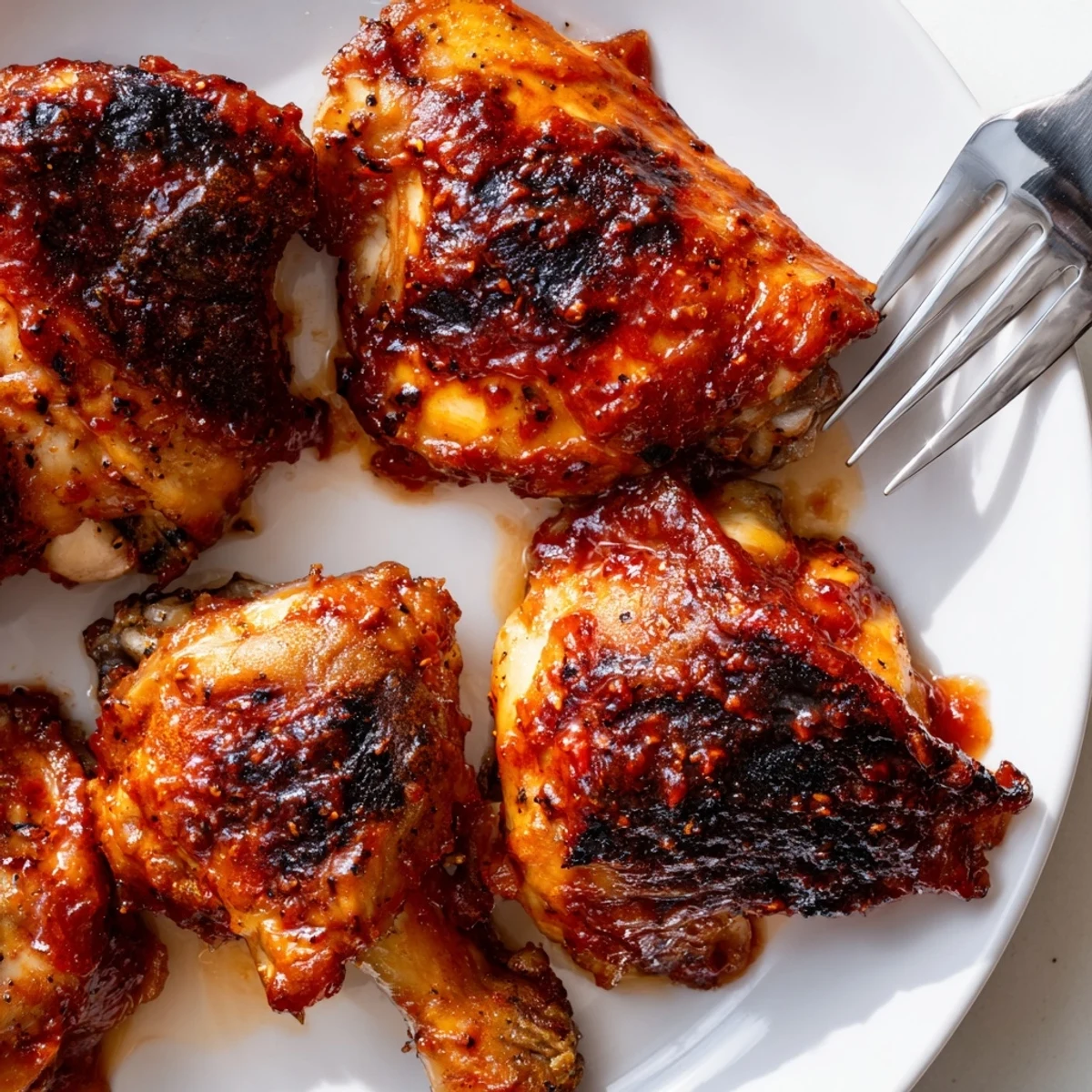
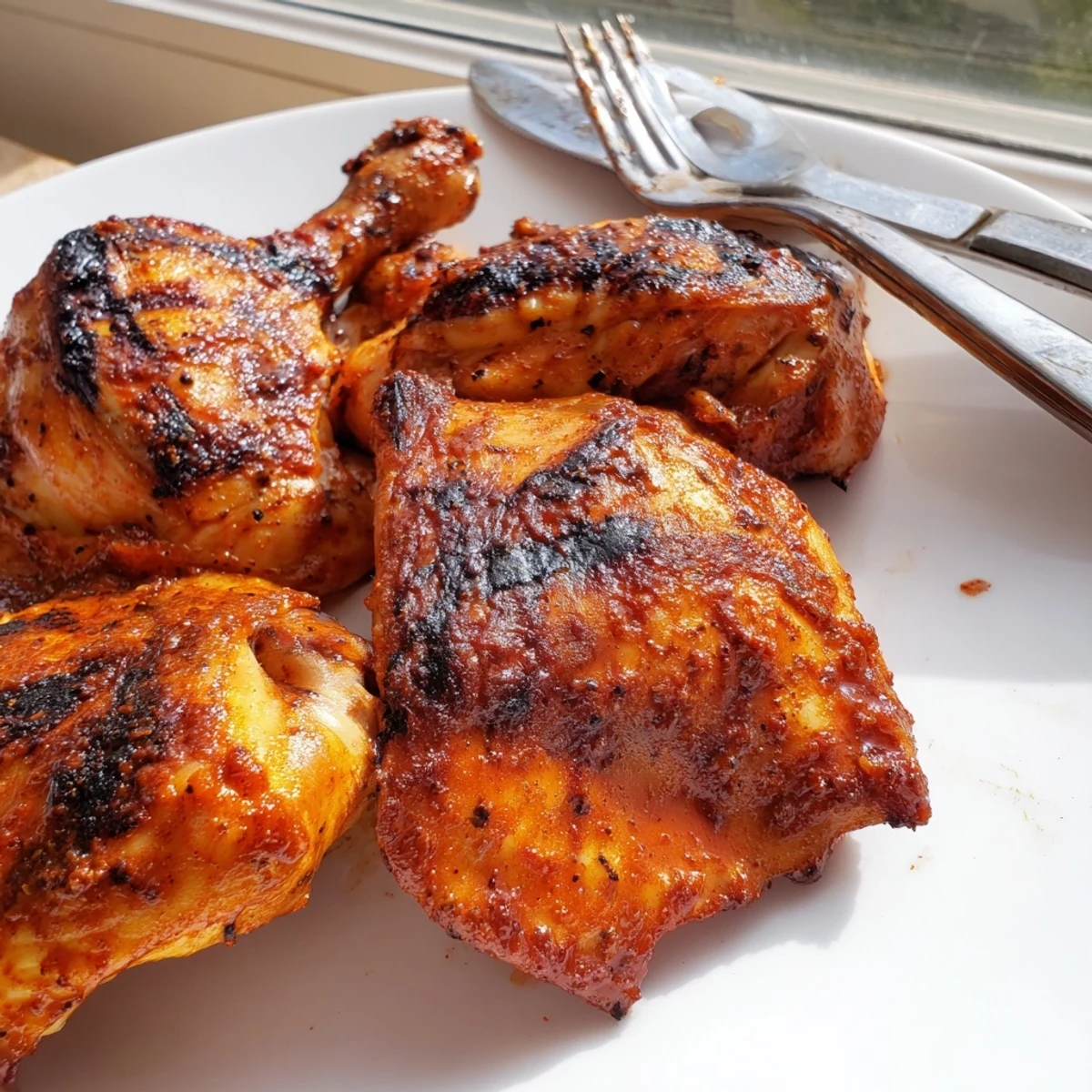
 This classic American barbecue chicken combines bone-in thighs and drumsticks with a simple dry rub of smoked paprika, garlic, and onion powder. Grilled over medium heat and repeatedly basted with tangy barbecue sauce, the chicken develops a beautifully caramelized, sticky exterior while staying juicy inside.
The key is patience—turning and basting every few minutes builds layers of flavor and prevents burning. A meat thermometer ensures perfectly cooked chicken every time, hitting that crucial 165°F internal temperature.
Pair with coleslaw, cornbread, or grilled vegetables for a complete backyard feast that feeds four and comes together in just 50 minutes.
Something about the sound of a grill lid closing makes everyone in my backyard stop talking for half a second, like a tiny moment of reverence before the smoky chaos begins. Barbecue chicken was the first thing I ever cooked for a crowd without burning, and I think that small victory hooked me for life. The skin crisps, the sauce bubbles and chars in all the right places, and suddenly you are the most popular person holding tongs.
A neighbor once wandered over during a Sunday cookout and stood silently beside the grill for a full minute before asking what smelled so good. I handed him a drumstick on a paper towel and he ate it standing there, sauce on his chin, grinning like a kid who found the cookie jar.
Ingredients
- Chicken: Four bone in, skin on thighs and four drumsticks make the ideal mix because thighs forgive uneven heat and drumsticks cook slightly faster, giving you a natural stagger at the table.
- Olive oil: Two tablespoons bind the spices to the skin and help everything crisp rather than steam.
- Smoked paprika: One teaspoon adds a campfire depth that pairs beautifully with the sweet barbecue sauce later.
- Garlic powder: One teaspoon infuses the meat through the fat under the skin without burning the way fresh garlic would on a hot grate.
- Onion powder: One teaspoon rounds out the savory base and works quietly behind the bolder flavors.
- Salt: One teaspoon, evenly distributed, is the difference between flat chicken and chicken people talk about the next day.
- Black pepper: Half a teaspoon brings a gentle warmth that does not compete with the sauce.
- Barbecue sauce: One cup of your favorite gluten free variety, applied in layers so each coat caramelizes into a sticky glaze rather than a soupy mess.
Instructions
- Warm up the grill:
- Set your gas or charcoal grill to medium heat, aiming for about 350 degrees Fahrenheit, and close the lid for ten minutes so the grates get evenly hot.
- Build the rub:
- In a large bowl, stir together the olive oil, smoked paprika, garlic powder, onion powder, salt, and black pepper until you get a fragrant, rust colored paste.
- Coat the chicken:
- Toss all the chicken pieces in the bowl and use your hands to work the marinade under and over every piece, pressing gently so the seasoning clings to the skin.
- Lay them skin side down:
- Place the chicken on the grill skin side down, close the lid, and let it cook undisturbed for five to seven minutes until the skin lifts easily and shows golden grill marks.
- Flip and sauce:
- Turn each piece with tongs and brush the cooked side generously with barbecue sauce, then grill for another six to seven minutes with the lid closed.
- Baste and turn repeatedly:
- Keep flipping and brushing with sauce every five minutes until a meat thermometer reads 165 degrees Fahrenheit at the thickest part and the exterior is tacky and deeply caramelized, roughly twenty to twenty five minutes total.
- Rest before serving:
- Move the chicken to a platter and let it sit for five minutes so the juices redistribute instead of running out onto the plate.
 Pin It
 There is a particular kind of happiness that comes from watching people eat with their hands and not care about the mess, sauce on their fingers and paper plates balanced on their knees.
Getting the Glaze Right Every Time
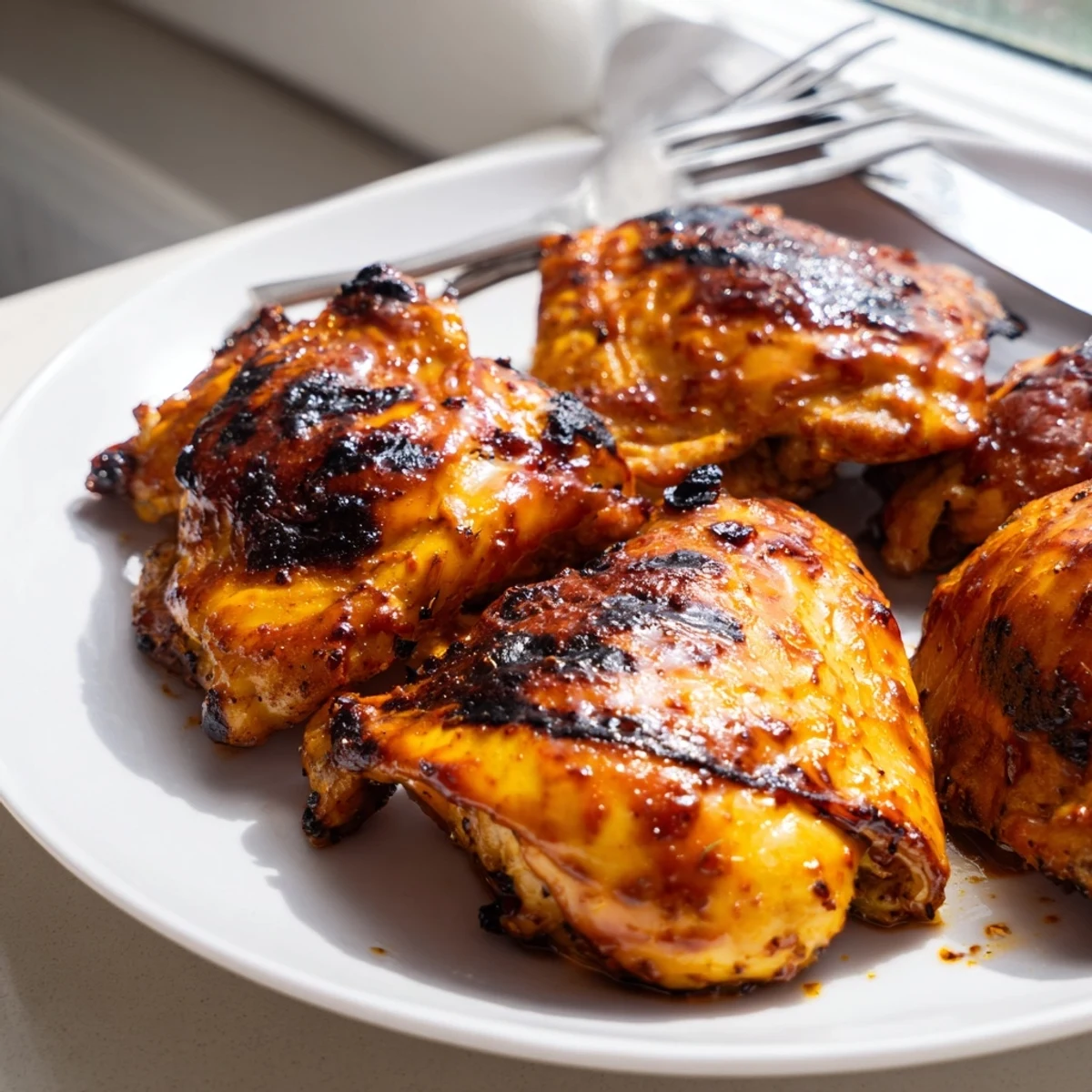
The trick to that glossy, lacquered finish is restraint. Brush a thin layer, let the heat do its work, then add another thin layer, repeating until the sauce builds up like coats of varnish on a piece of furniture. Thick globs slide right off and pool on the grill, which wastes sauce and causes flare ups. Thin, patient layers give you that chewy, charred edge everyone fights over.
Sides That Keep It Simple
Coleslaw is the obvious choice because the crunch and acidity cut through the richness of the sauce like nothing else. Grilled corn with butter and a squeeze of lime takes almost no extra effort since your grill is already hot. A pot of baked beans or a pan of cornbread rounds things out without requiring your attention while you manage the chicken. Keep the sides cool and crunchy so the main dish can be the warm, sticky star.
What to Do With Leftovers
Cold barbecue chicken pulled from the fridge the next morning is one of lifes quiet pleasures, the fat firmed up and the flavor somehow deeper than the night before. You can also shred whatever remains and tuck it into a sandwich with extra sauce and pickles for a lunch that tastes like you tried much harder than you did.
- Store leftover chicken in an airtight container in the refrigerator for up to three days.
- Reheat gently in a low oven rather than a microwave so the skin does not turn rubbery.
- Always check your barbecue sauce label if cooking for someone with gluten or soy sensitivities.
 Pin It
 Barbecue chicken does not ask for perfection, just attention and a willingness to stand by the grill a little longer than you thought you would. The reward is a plate of food that makes people close their eyes on the first bite.
Recipe FAQs
- → What is the best internal temperature for barbecue chicken?
-
Cook chicken until it reaches an internal temperature of 165°F (74°C) measured at the thickest part using a meat thermometer. This ensures the meat is fully cooked while remaining juicy.
- → Should I marinate the chicken before grilling?
-
While the dry rub works well applied just before grilling, marinating the chicken in the oil and spice mixture for up to 8 hours in advance will deepen the flavor significantly.
- → Can I use boneless chicken for this dish?
-
Yes, boneless chicken breasts or wings work well. Reduce the cooking time accordingly, as boneless cuts cook faster—typically 15–20 minutes total on the grill.
- → Why does my barbecue sauce burn on the grill?
-
Barbecue sauce contains sugars that caramelize and can burn over high heat. Maintain medium heat around 350°F and baste during the later stages of grilling, turning frequently to prevent charring.
- → What sides go well with grilled barbecue chicken?
-
Classic pairings include creamy coleslaw, warm cornbread, grilled corn on the cob, baked beans, or roasted vegetables. A crisp lager or iced tea complements the smoky flavors beautifully.